DRYLOK alternatives for a damp basement wall
DRYLOK is the name on the shelf, and it publishes its numbers. Two competitors publish theirs too, and one of them resists more pressure. Here is the honest comparison.
We earn a commission if you buy through our Amazon links, at no cost to you. We do not bench-test these products and we never take free product — how we pick · affiliate disclosure
If you want a direct alternative to DRYLOK, the one we would buy is Zinsser WaterTite LX — it publishes 20 PSI of hydrostatic resistance against the same ASTM D-7088 test DRYLOK Extreme cites at 15 PSI, and it is rated for floors as well as walls. KILZ Basement & Masonry Waterproofer is the cheaper like-for-like swap, with the best prep instructions in the category and no pressure rating in its own data sheet. RadonSeal is the alternative that is not paint at all: a penetrating sealer with nothing on the surface to peel. And whichever you pick, the hydraulic cement comes first — all three manufacturers say so in their own documentation.
DRYLOK is the default in this aisle for good reasons, and it is worth saying what they are before replacing it. UGL has sold masonry waterproofer for decades, DRYLOK Extreme publishes a 15 PSI hydrostatic rating tested to ASTM D-7088 along with its film build in mils, it carries a 15-year transferable warranty, and it is stocked almost everywhere in both an Extreme and a lower-spec Original version. Our own DRYLOK review is broadly positive. People look for alternatives for ordinary reasons: price, a store that does not carry it, a wall that needs a product rated for floors too, a preference for a finish that is not a film, or a bad experience that usually traces back to preparation rather than to the paint.
Quick picks
| # | Product | Best for | Score | Price |
|---|---|---|---|---|
| 1 |  Zinsser WaterTite LX Mold & Mildew Proof Waterproofing PaintA modified acrylic copolymer that publishes 20 PSI of hydrostatic resistance to the same ASTM test DRYLOK quotes at 15 PSI, and it can go on a floor as well as a wall. | The alternative with the highest published pressure rating | 9.0 | Check price on Amazon #ad we earn a commission · Amazon shows the current price |
| 2 |  KILZ Basement & Masonry WaterprooferA styrene acrylic masonry waterproofer with the most detailed prep instructions in the category, and no hydrostatic pressure rating in its own data sheet. | The cheaper like-for-like swap | 7.8 | Check price on Amazon #ad we earn a commission · Amazon shows the current price |
| 3 |  RadonSeal Deep-Penetrating Concrete SealerA reactive penetrating sealer that soaks into the concrete instead of coating it, so there is no film to peel — and no film to bridge a crack either. | An alternative that is not paint at all | 8.4 | Check price on Amazon #ad we earn a commission · Amazon shows the current price |
| 4 |  Quikrete Hydraulic Water-Stop CementFast-setting hydraulic cement for the holes and cracks that every one of these products tells you to patch first. | The step before any coating | 8.6 | Check price on Amazon #ad we earn a commission · Amazon shows the current price |
| 5 |  Dimpled foundation drainage membraneA dimpled exterior membrane, because no interior coating removes water pressure from the outside of the wall — it only resists it. | The fix that actually stops hydrostatic pressure | 7.5 | Check price on Amazon #ad we earn a commission · Amazon shows the current price |
Scores are ours and editorial, not lab measurements — see how we pick. Tap a row for the full write-up.
The one number worth comparing
Masonry waterproofers are sold on a hydrostatic pressure figure, and most of the confusion in this category comes from comparing figures that were not measured the same way. ASTM D-7088 is the standard test for resistance to hydrostatic pressure on a masonry coating, and it is what makes two numbers comparable:
| DRYLOK Extreme | Zinsser WaterTite LX | KILZ Basement & Masonry | RadonSeal | |
|---|---|---|---|---|
| Type | Latex film | Modified acrylic copolymer film | Styrene acrylic film | Reactive penetrating sealer |
| Hydrostatic rating | 15 PSI, ASTM D-7088 | 20 PSI, states ASTM D-7088 | Not published (12 PSI on retail listings) | Not applicable — no film |
| Coverage per gallon | 75 sq ft first coat, 75-100 second | 100 sq ft (US sheet) | 75-125 sq ft | 200-225 poured, 100-125 block |
| Coats | Two | Two or three | Two minimum | Per the coverage rate |
| Recoat | Not published here | 2-3 hours | 4 hours | Not applicable |
| Floors | No — separate floor paint | Yes, vertical or horizontal | No | Yes |
| Over existing paint | Not recommended | Allowed, performance depends on the old coating | Only if sound, and not guaranteed | No — it must soak in |
| Appearance | White film, tintable | Bright white film, tintable | White film, tintable | Colorless, no gloss |
| Warranty | 15 years, transferable | 15-year guarantee on the Canadian sheet | Not in the data sheet | No term confirmed |
Read that table as evidence quality, not just as numbers. DRYLOK and Zinsser both tie a pressure figure to a named test in their own documents. KILZ's figure exists only on shelf tags. RadonSeal does not have one because the question does not apply to a sealer that lives inside the concrete — its claim is that pressure cannot push it out, which is a different assertion and is in its data sheet.
About BEHR DryPlus, and why it is not a pick here
The other alternative you will meet in a US store is BEHR DryPlus Masonry Waterproofer (No. 875), sold through Home Depot. Its US listings and spec sheet publish 12 PSI of water pressure resistance tested to ASTM D7088, along with resistance to 98 mph wind-driven rain, and coverage of 75 to 125 sq ft per gallon. It is explicitly not for floors and not for walls with active water leaks. The Canadian listing for the same line quotes 10 PSI, so check the figure on the can in front of you.
It is a credible product and worth your consideration in the store. We have not made it a ranked pick because it is an own-channel paint with no Amazon buy path, and every pick on this site carries a link to a listing we can actually send you to. We would rather name it in the text than hand you a dead button — and on the published numbers it is in the same band as KILZ rather than ahead of DRYLOK.
How we ranked these
Five criteria, in this order:
- Is the pressure rating tied to a named test in the manufacturer's own document? A number on a shelf tag is not the same evidence as a number against ASTM D-7088 in a data sheet.
- What does the coverage really work out at? Coverage per gallon times the number of coats is the figure that decides the bill. A cheaper gallon that needs three coats is not cheaper.
- What does it allow you to put it on? Previously painted walls, lightweight block, floors, slightly damp masonry. The restrictions differ sharply and they decide what is usable in your basement.
- What happens when it fails? A film peels and has to be stripped. A penetrating sealer has nothing to peel. That difference matters more over ten years than a few PSI.
- Does the product fix the cause or resist the symptom? Only the exterior membrane does the former, and it is on the page for that reason even though almost nobody will buy it.
Zinsser WaterTite LX Mold & Mildew Proof Waterproofing Paint
A modified acrylic copolymer that publishes 20 PSI of hydrostatic resistance to the same ASTM test DRYLOK quotes at 15 PSI, and it can go on a floor as well as a wall.
#ad we earn a commission · Amazon shows the current price
| Type | Modified acrylic copolymer masonry waterproofing paint and finish |
|---|---|
| Hydrostatic resistance | 20 PSI, and the sheet states it meets ASTM D-7088 |
| Wind-driven rain | Meets ASTM D-6904 |
| Coverage | 100 sq ft per gallon (US data sheet) |
| Coats | Two or three, back-brushing the first coat into the pores |
| Dry time | 2 hours to touch, 2 to 3 hours to recoat |
| Orientation | Interior or exterior, vertical or horizontal |
| Over paint | Can be applied over sound paint, but the waterproofing then depends on that coating |
| Not for | Lightweight block, swimming pools, or contact with potable water |
| Sizes | 1 qt, 1 gal, 3 gal and 5 gal SKUs |
| Warranty | No term in the US data sheet; the Canadian edition of the same sheet advertises a 15-year waterproof guarantee and a 10-year mold and mildew guarantee |
If you want a straight swap for DRYLOK Extreme and you want the swap to be defensible on paper, this is it. Rust-Oleum publishes 20 PSI of hydrostatic resistance and names ASTM D-7088 as the test, which is the same standard UGL cites for DRYLOK Extreme's 15 PSI. Two numbers measured the same way are comparable; two marketing claims are not. That is the entire reason this pick is first.
The second reason is scope. DRYLOK sells a separate concrete floor paint because the masonry waterproofer is a wall product. WaterTite LX is rated for vertical or horizontal surfaces, so one bucket covers the wall and the slab. If you are doing both, that simplifies the job and may well cost less in total even at a higher price per gallon.
The application is where the care goes. Rust-Oleum wants the first coat worked into the pores — back-brush it after rolling, and treat hiding the substrate as less important than filling it. Then inspect for pinholes after the second coat and spot-fix them, because a pinhole in a waterproof film is not a cosmetic flaw, it is the hole the water uses. Cracks and joints get sealed first with hydraulic cement, which is the pick two places below.
One honest caveat about the guarantees. The fifteen-year waterproof and ten-year mold guarantees appear in the Canadian edition of the technical data sheet; the US edition we reached lists the performance characteristics without those terms. Both are linked in the sources. Read the can you buy rather than trusting either of us.
What it gets right
- Resists 20 PSI of hydrostatic water pressure and states that it meets ASTM D-7088, the same test DRYLOK Extreme cites at 15 PSI — a like-for-like comparison rather than two different claims
- Also meets ASTM D-6904 for wind-driven rain, which matters on an above-grade exterior wall
- Rated for vertical or horizontal surfaces, so the same product can go on a wall and on a floor instead of buying a separate floor paint
- Recoat in two to three hours, so two coats fit in one day
- Can be applied over previously painted surfaces — the data sheet is explicit that waterproofing then depends on the old coating's integrity, which is a more useful answer than a flat refusal
- The Canadian edition of the same data sheet advertises a 15-year waterproof guarantee and a 10-year mold and mildew guarantee
- Paintable afterwards with latex, oil or epoxy, and it is a recognized block filler under epoxy in wet commercial rooms
Where it falls short
- The US data sheet publishes 100 sq ft per gallon, below DRYLOK Extreme's 75 to 100 on the first coat but above nothing else here — and it specifies two or three coats, so a wall can need three gallons where you budgeted two
- Not for lightweight block, which rules out a share of older houses before you start
- Not for swimming pools or any contact with potable water
- Tinting may affect the hydrostatic resistance, per the data sheet. If you want a color, you are trading away the number you bought it for
- New concrete has to cure seven days first, and pressure-washed walls need three days to dry
- The 15-year and 10-year guarantees appear on the Canadian sheet rather than the US one we could reach, so do not assume the US label carries them — read the can
Specifications from Zinsser WaterTite LX technical data sheet WRT-10 (US edition): modified acrylic copolymer, resists 20 PSI, meets ASTM D-7088 and D-6904, 100 sq ft per gallon, recoat in 2-3 hours, not for lightweight block or potable water, Rust-Oleum WaterTite LX technical data sheet WRT-10 (Canadian edition), which adds the 15-year waterproof and 10-year mold guarantees and the 100-125 sq ft coverage range, Do It Best retail listing for WaterTite LX Ultra (checked 2026-11-12).
KILZ Basement & Masonry Waterproofer
A styrene acrylic masonry waterproofer with the most detailed prep instructions in the category, and no hydrostatic pressure rating in its own data sheet.
#ad we earn a commission · Amazon shows the current price
| Type | Styrene acrylic latex masonry waterproofer, interior and exterior |
|---|---|
| Hydrostatic resistance | Not published in the technical data sheet; retail listings quote 12 PSI |
| Coverage | 75 to 125 sq ft per gallon depending on texture and porosity |
| Film build | 21.3 mils wet / 9.5 mils dry at 75 sq ft per gallon; 12.8 wet / 5.7 dry at 125 |
| Coats | Two minimum, and the sheet says to re-apply if it still leaks after two |
| Dry time | 1 hour to touch, 4 hours to recoat, full cure in 7 to 14 days |
| Solids | 44.5% by volume, 61.3% by weight |
| VOC | Under 100 g/L; tinting adds VOCs |
| Not for | Floors, or walls already coated with ordinary oil or latex paint |
| Tinting | Supplied white, tintable |
| Warranty | No term stated in the technical data sheet; retail listings advertise a limited lifetime warranty, void without the label's surface prep |
This is the alternative most people actually buy, because it sits on the same shelf at a lower price, and it is a competent product. What it is not is a documented one. We read the technical data sheet line by line and there is no hydrostatic pressure figure in it. The 12 PSI you will see quoted comes from retail listings. That may well be accurate — we are not saying it is wrong — but a number on a shelf tag is a different class of evidence from a number tied to ASTM D-7088 in a manufacturer's own sheet.
Where KILZ is genuinely better than its reputation is prep, and prep is what decides whether any of these coatings work. The sheet tells you to tape-test the wall for loose concrete and remove anything the tape pulls off; to let new concrete cure thirty days; to patch every hole and crack with fast-setting hydraulic cement before painting; to prime chalky or patched areas; and to clean with an etcher. Follow that and you will get a better result from this than from a better product applied carelessly.
Two restrictions catch people out. It is not for floors — DRYLOK and WaterTite both have a floor answer and this does not. And it is not for a wall already painted with ordinary oil or latex paint, which describes a lot of basements. Where a sound previous coating is allowed, the sheet's own capitalized note is that the results are not guaranteed. If your wall is already painted, read how to seal basement wall cracks and plan on stripping rather than coating over.
What it gets right
- Usually the cheapest of the three film-forming waterproofers here, and stocked by mainstream paint and hardware retail
- 75 to 125 sq ft per gallon published, which at the thin end beats DRYLOK Extreme's 75 to 100
- The technical data sheet publishes film build at both ends of that range — 21.3 mils wet and 9.5 mils dry at 75 sq ft, 12.8 and 5.7 at 125 — so you can see exactly what spreading it further costs you
- 1 hour to touch and 4 hours to recoat, so two coats in a day is realistic
- Explicitly allowed on slightly damp masonry, with instructions to wipe off visible moisture first
- Tintable from white, and under 100 g/L VOC before colorant
- The prep section is the best written of the three: tape test for loose concrete, 30-day cure on new concrete, patch with fast-setting hydraulic cement, prime chalky areas, and a named etching product
Where it falls short
- No hydrostatic pressure figure anywhere in the technical data sheet. Retail listings quote 12 PSI, and that is where the number comes from — not from the manufacturer's own sheet, which is a real gap against DRYLOK Extreme's cited 15 PSI to ASTM D-7088
- Not for use on floors, so a slab needs a second product
- Not for use on walls already coated with ordinary oil or latex paint — and where previously painted surfaces in good condition are allowed, the sheet states in capitals that the manufacturer will not guarantee the results
- Minimum two coats, and the sheet's own advice if it still leaks is to apply more: that is honest, and it is also a warning about what the product can and cannot do
- Full cure takes 7 to 14 days, so the wall is not finished the day you stop painting
- The warranty term is not in the data sheet at all; retail listings advertise a limited lifetime warranty that is void without the label's prep
Specifications from KILZ Basement & Masonry Waterproofer technical data sheet (No. 2390): styrene acrylic, 75-125 sq ft/gal, two coats minimum, 1 h touch / 4 h recoat, 7-14 day cure, not for floors, not over ordinary oil or latex paint, 30-day cure on new concrete, patch cracks with fast-setting hydraulic cement, KILZ Basement & Masonry Waterproofer product page, Ace Hardware listing, the source of the 12 PSI and limited-lifetime-warranty figures (checked 2026-11-12).
RadonSeal Deep-Penetrating Concrete Sealer
A reactive penetrating sealer that soaks into the concrete instead of coating it, so there is no film to peel — and no film to bridge a crack either.
#ad we earn a commission · Amazon shows the current price
| Type | Reactive impregnating sealer, not a film or coating |
|---|---|
| How it works | Reacts with Portland cement inside the concrete, restricting water, water vapor and soil gases |
| Penetration | Up to 4" into poured concrete, per the manufacturer |
| Coverage | 200-225 sq ft/gal indoor poured concrete; 100-125 on concrete block; 175-225 on limestone |
| Appearance | Colorless and non-film-forming — no gloss, no color change, nothing to peel |
| Breathability | Does not trap vapor at the surface; the concrete can still dry |
| Paintable | Yes — it neutralizes alkali and is quoted as improving paint and epoxy adhesion |
| VOC | Zero, no solvents |
| Dry time | 1 to 4 hours |
| Not for | Cracks, seams or holes (patch those first), and the exclusion list includes split-face and lightweight block, bricks, pavers, flagstone and grout |
| Shelf life | 1 year |
| Warranty | Sold as a one-time permanent application rather than with a stated term; retail listings disagree on warranty and we could not confirm one |
This is the alternative worth understanding properly, because it answers a different question. Every waterproofing paint on this page works by forming a film that water cannot get through. A film has two failure modes: it can lose adhesion and peel, and it can be perforated. RadonSeal is a reactive impregnating sealer — it soaks in, reacts with the cement, and leaves nothing on the surface to peel or puncture.
The published figures are unusually complete for this category. Penetration up to four inches, 98% reduction in water absorption on poured concrete to ASTM C-642, coverage of 200 to 225 sq ft per gallon indoors, zero VOC, one to four hour dry time, and claimed increases in compressive strength and surface hardness. Whether you need all of that is a separate question from whether it is documented, and it is documented.
The limits are equally clear, and they are the reason this is third rather than first. It does not seal a crack, a seam or a hole — the data sheet lists those as exclusions and tells you to repair them separately. It needs sound, Portland-cement concrete, which means the porous old block that leaks the most is the substrate it suits least. And it will not make a dark basement white. If your wall is sound poured concrete that sweats, this is arguably the most durable thing you can do to it; if your wall has a crack weeping after rain, go to the best foundation crack repair kits first.
What it gets right
- Non-film-forming: it reacts with the Portland cement inside the concrete rather than sitting on top, so the commonest complaint about waterproofing paint — peeling — does not apply. The data sheet states it cannot be pushed out by water pressure and will not wear off, flake or peel
- Penetrates up to 4 in into poured concrete, which is a different order of intervention from a 9 mil film
- Colorless and non-glossy, so the wall looks like concrete afterwards. On a wall you do not want to look painted, this is the only option here
- Breathable — it does not trap water vapor at the surface, which is the mechanism behind a lot of coating failures on damp walls
- Coverage is far better than any paint here: 200 to 225 sq ft per gallon on indoor poured concrete, 100 to 125 on block
- Zero VOC, no solvents, low odor — it is the one product on this page that is pleasant to use in a closed basement
- Published performance data including 98% water absorption reduction to ASTM C-642 on poured concrete, and claimed 45% gains in compressive strength and surface hardness
- Paintable afterwards: it neutralizes alkali and is quoted as improving adhesion for paints and epoxies, so it can be a base coat rather than a replacement
Where it falls short
- It does not seal cracks, seams, corner joints or holes. The data sheet says so plainly — those need patching or crack repair first, and if that is your actual leak, this product will not fix it
- The exclusion list is long and specific: split-face and lightweight block, haydite and popcorn blocks, bricks, pavers, flagstone, grout, stamped, colored, stained or polished concrete, patching compounds, self-levelers and fiber-reinforced concrete
- It works by reacting with Portland cement, so it is least effective on exactly the porous, low-quality masonry that tends to leak most
- It has to soak in, which means bare concrete: a wall already painted has to be stripped first, and stripping a basement wall is a weekend nobody enjoys
- No white finish, so it does not brighten a dark basement the way two coats of white masonry paint do
- No warranty term we could confirm. It is sold as a permanent one-time application and retail listings contradict each other on warranty
- One-year shelf life, so buying extra for later is wasted money
Specifications from RadonSeal Deep-Penetrating Concrete Sealer product data sheet (2024): reactive sealer, penetrates up to 4 in, zero VOC, non-film-forming, 200-225 sq ft/gal indoor poured concrete and 100-125 on block, 98% water absorption reduction to ASTM C-642, 1-4 hour dry, full exclusion list, RadonSeal application guidance.
Quikrete Hydraulic Water-Stop Cement
Fast-setting hydraulic cement for the holes and cracks that every one of these products tells you to patch first.
#ad we earn a commission · Amazon shows the current price
| Type | Fast-setting hydraulic cement for active leaks |
|---|---|
| Set time | Very fast; mix only what you can place immediately |
This is on the page because it is the step people skip. All three coatings above instruct you, in their own documentation, to patch cracks and holes with a fast-setting hydraulic cement before you apply anything. Skip it and the film has to bridge a void it was never designed to bridge, which is where a lot of the peeling blamed on waterproofing paint actually starts.
Technique matters more than brand here. Mix small batches, pack the material into the opening with firm thumb pressure rather than troweling it across, and undercut the edges of the hole first so the patch is keyed in rather than sitting in a shallow dish. The full sequence is in how to seal basement wall cracks, and the comparison of the class is in the best hydraulic cement.
What it gets right
- Every technical data sheet on this page requires it: KILZ says patch all cracks and holes with a fast-setting hydraulic cement before painting, Zinsser says seal cracks and joints first, RadonSeal excludes cracks and seams from what it can do
- Sets fast enough to work against water actively moving through a hole, which ordinary mortar cannot
- Cheap, stocked everywhere, and a single tub covers the patching on a typical wall
- It is the one purchase on this page that fixes a leak rather than resisting one
- Works as a repair in its own right where the problem is a single penetration — a tie-rod hole, a pipe entry, a gap at the floor joint
Where it falls short
- The working time is very short: mix only what you can place immediately, and expect to throw some away while you learn the pace
- It is a rigid patch. On a crack that moves with the seasons it will eventually re-open, and a flexible polyurethane injection is the better repair
- It does not waterproof the wall — it closes a specific hole, which is a different job from the coatings above
- Quikrete publishes less detail on this product than the coating manufacturers publish on theirs, so set times and coverage come from the label rather than a full data sheet
Specifications from Amazon listing (search).
Dimpled foundation drainage membrane
A dimpled exterior membrane, because no interior coating removes water pressure from the outside of the wall — it only resists it.
#ad we earn a commission · Amazon shows the current price
| Type | Dimpled HDPE air-gap membrane for exterior foundation walls |
|---|---|
| How it works | Holds an air gap against the wall so water runs down to the footing drain |
| Reality check | Installing it means excavating to the footing, so this is a renovation item, not a weekend fix |
We include this on every waterproofing page for the same reason: an interior coating is a pressure-resisting measure, not a drainage one. DRYLOK Extreme publishes 15 PSI, WaterTite LX publishes 20 PSI, and both of those are real numbers — but a wall with a saturated backfill against it can exceed them, and when it does, the film is the only thing between the water and your basement.
If your wall is wet because the ground outside holds water against it, the honest hierarchy is: fix the grading and the gutters, then the footing drain, then the exterior membrane, and use an interior coating for dampness rather than pressure. The trade-offs are set out in interior vs exterior waterproofing, and the realistic numbers are in basement waterproofing cost.
What it gets right
- Holds an air gap against the foundation so water runs down to the footing drain instead of standing against the wall — it removes the pressure rather than resisting it
- Outlasts every coating here by decades once it is correctly installed and drained
- It is the only approach on this page that addresses the cause rather than the symptom
- Pairs with a working footing drain and a sump system, which is the combination that actually keeps basements dry
Where it falls short
- Installing it means excavating to the footing. That is machinery, spoil, landscaping and, for most houses, a contractor — it is not a weekend
- Costs an order of magnitude more than any bucket of paint on this page
- Pointless without a functioning footing drain and somewhere for the water to go
- Not an option at all where the wall you need to reach is under a driveway, a deck or a neighbor's boundary
- No published performance number applies to a generic product — what matters is the detailing at the top edge and the drain, not the roll you buy
Specifications from Amazon listing (search).
The prep is the product
Here is the uncomfortable thing about this whole category: the most common reason waterproofing paint fails has nothing to do with which brand you bought. Read the three data sheets side by side and the same instructions appear in all of them:
- Patch first. Every cracked, holed or weeping spot gets fast-setting hydraulic cement before any coating goes on.
- Clean and etch. Dirt, dust, efflorescence, oil and form-release agents all prevent adhesion. KILZ names an etcher and a tape test for loose concrete; Zinsser specifies a water test for release agents and acid-salt rinsing after chemical cleaning.
- Respect the cure. New concrete needs 30 days before KILZ and 7 days before WaterTite LX. A pressure-washed wall needs three days to dry.
- Work the first coat in. Both film manufacturers tell you to brush the first coat into the pores rather than spreading it over them, and to inspect for pinholes afterwards. A pinhole is a leak, not a blemish.
- Two coats minimum, at the stated spread rate. KILZ says not to dilute or exceed the spread rate, and to re-apply if it still leaks after two coats. Stretching a gallon is the cheapest way to waste one.
A mid-priced product applied to that standard will outperform the best product on this page applied carelessly. If you only take one thing from this page, take that.
When no coating is the answer
A waterproofing paint resists water pressure; it does not remove it. Three situations call for something other than a bucket:
- Water appearing at the wall-floor joint during rain. That is drainage, not porosity. The pit, the footing drain and the grading are the fix — start with how to waterproof a basement.
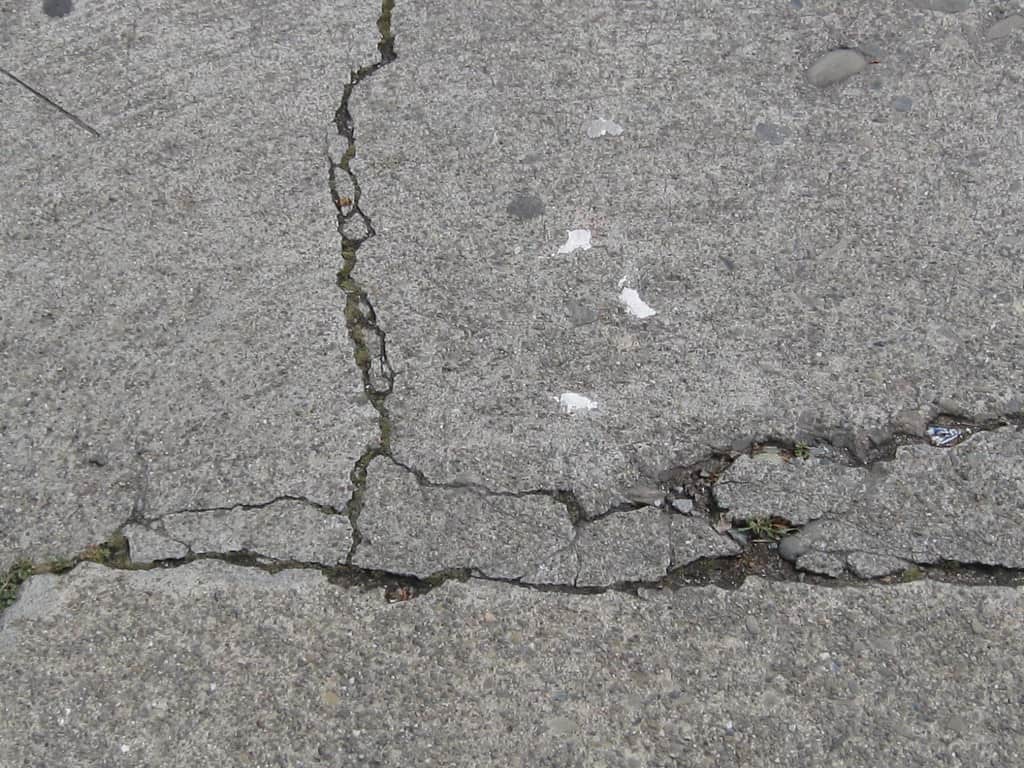
- A crack that weeps after every storm. Coating over a crack leaves the crack. Use an injection kit: the best foundation crack repair kits.
- Damp air and musty smell with dry walls. That is humidity rather than seepage, and paint does nothing for it. Basement humidity level sets the targets and the best built-in basement dehumidifiers covers the hardware.
Questions people ask
What is a good alternative to DRYLOK?
Zinsser WaterTite LX is the closest documented alternative: its data sheet publishes 20 PSI of hydrostatic resistance and names ASTM D-7088, the same test DRYLOK Extreme cites at 15 PSI, and it is rated for floors as well as walls. KILZ Basement & Masonry Waterproofer is the cheaper like-for-like option, and RadonSeal is the non-paint route — a penetrating sealer with no film to peel.
Is KILZ as good as DRYLOK for basement walls?
On documentation, no. DRYLOK Extreme publishes a 15 PSI hydrostatic rating tested to ASTM D-7088 in its own data sheet; the KILZ technical data sheet contains no pressure figure at all, and the 12 PSI you see quoted comes from retail listings. KILZ is cheaper, covers 75 to 125 sq ft per gallon and has excellent prep instructions, but it is also barred from floors and from walls already coated with ordinary paint.
Is there a cheaper alternative to DRYLOK?
KILZ Basement & Masonry Waterproofer is usually the cheapest of the mainstream film-forming waterproofers, and BEHR DryPlus is competitive in Home Depot stores. Compare total cost rather than price per gallon: coverage per gallon times the number of coats decides the bill, and a product that needs three coats at 100 sq ft is not cheaper than one that needs two at 75.
Can I put a different waterproofing paint over DRYLOK?
Read the sheet for the product you are putting on. Zinsser WaterTite LX states it can be applied over previously painted surfaces, but that its waterproofing ability then depends on the integrity and moisture resistance of the coating underneath. KILZ allows a sound previously painted surface but states that the manufacturer will not guarantee the result. RadonSeal cannot be used at all over paint, because it has to soak into the concrete.
What is the difference between a waterproofing paint and a penetrating sealer?
A waterproofing paint forms a film on the surface that water cannot pass through, which is why it is sold with a PSI rating and why it can peel if adhesion fails. A penetrating sealer like RadonSeal soaks into the concrete and reacts with the cement, leaving nothing on the surface — it cannot peel, it does not change the appearance, and it covers more per gallon, but it also cannot bridge a crack or a hole.
Does any waterproofing paint stop water under pressure?
They resist it to a published limit — 15 PSI for DRYLOK Extreme, 20 PSI for Zinsser WaterTite LX, both to ASTM D-7088. Saturated ground against a foundation wall can exceed that, and when it does the film is all that stands between the water and the basement. If water is appearing at the wall-floor joint during rain, the problem is drainage and the fix is outside the wall, not on it.
Do I have to patch cracks before painting?
Yes, and all three manufacturers say so themselves. KILZ instructs you to patch all holes and cracks with a fast-setting hydraulic cement before applying the product; Zinsser specifies sealing cracks and joints first; RadonSeal lists cracks, seams, corner joints and holes as things it does not seal. Patching first is not an optional extra step — it is in the product instructions.
Why do you not list prices?
Because a price written into an article in November is wrong by December. Every buy button on this site goes to the live listing so you see the current price rather than ours.
Sources
- KILZ Basement & Masonry Waterproofer technical data sheet (No. 2390): styrene acrylic, 75-125 sq ft per gallon, film build 21.3 mils wet / 9.5 dry at 75 sq ft, two coats minimum, 1 hour to touch and 4 hours to recoat, 7-14 day full cure, not for floors, not over ordinary oil or latex paint, 30-day cure on new concrete, patch cracks with fast-setting hydraulic cement, under 100 g/L VOC
- KILZ Basement & Masonry Waterproofer product page
- Ace Hardware listing for the KILZ waterproofer, the source of the 12 PSI and limited-lifetime-warranty figures (checked 2026-11-12)
- Zinsser WaterTite LX technical data sheet WRT-10 (US edition): modified acrylic copolymer, resists 20 PSI of water pressure, meets ASTM D-7088 and ASTM D-6904, covers 100 sq ft per gallon, recoat in 2-3 hours, two or three coats, interior or exterior and vertical or horizontal, not for lightweight block, swimming pools or potable water, can be applied over sound existing paint
- Rust-Oleum WaterTite LX technical data sheet WRT-10 (Canadian edition), which adds the 15-year waterproof guarantee, the 10-year mold and mildew guarantee, 100-125 sq ft coverage and the note that tinting may affect hydrostatic resistance
- RadonSeal Deep-Penetrating Concrete Sealer product data sheet (2024): reactive impregnating sealer, penetrates up to 4 in, zero VOC, non-film-forming and cannot be pushed out by water pressure, 200-225 sq ft per gallon on indoor poured concrete and 100-125 on block, 98% water absorption reduction to ASTM C-642, 1-4 hour dry time, and the full exclusion list including cracks, seams, holes, split-face and lightweight block
- DRYLOK Extreme Masonry Waterproofer product data sheet: 15 PSI to ASTM D-7088, 75-100 sq ft per gallon, 15-year transferable warranty
- BEHR DryPlus Masonry Waterproofer (No. 875) product page: 12 PSI of water pressure resistance, 98 mph wind-driven rain, 75-125 sq ft per gallon, not for floors or walls with active leaks
Read next
DRYLOK review
The best-known name in basement waterproofing paint, and the one most often blamed for peeling. Both facts have the same explanation.

The best basement waterproofing paint
These products work on exactly one problem. Used on the right wall they are excellent; used on the wrong one they peel off within a year.

The best basement waterproofing sealers
Sealers are judged almost entirely on preparation. The same product is excellent on a clean bare wall and useless on a painted one.
The best basement crack repair kits
A single wet line down a wall is a crack, and a crack has three different fixes depending on whether it is wet, moving, or holding the house up.

Interior vs exterior basement waterproofing
One manages water that has reached the wall. The other stops it arriving. They solve different problems and the sales pitch rarely says so.