How to seal basement wall cracks
Surface patching a crack is a decorative exercise. Water pressure gets behind it within a season. Injection is the repair.

A crack in a poured concrete wall goes all the way through it. Sealing the inside face does nothing about the water in the crack, and hydrostatic pressure pushes it out again — usually within a season, often beside the patch rather than through it.
Injection fills the crack through the full thickness of the wall, from the inside, using ports and a surface seal that keep the resin where it belongs. That is why it works.
First: is this crack a DIY job?
- Vertical or diagonal, under about 1/8 inch, weeping: a straightforward polyurethane injection.
- Vertical, dry and stable, structural concern: epoxy injection.
- Horizontal with bowing: engineer, not a kit.
- Stair-step through block mortar joints: engineer first, then repair.
The method
- Clean the crackWire brush the full length, plus a couple of inches either side. Remove dust, loose concrete, paint and anything else. The surface paste has to bond to sound concrete.
- Stop any active flowIf water is running out of the crack, plug it with hydraulic cement first and let it cure. You cannot inject against a running leak.
- Fit the injection portsAlong the crack, spaced at roughly the thickness of the wall — typically every six to eight inches. These are the resin's route into the full depth.
- Seal the surface between the portsApply the surface paste over the crack and around each port base. Let it cure fully; if it is still soft, resin will push straight out.
- Inject from the bottom upStart at the lowest port. Inject steadily until resin appears at the port above, then cap the lower one and move up. That sequence is what drives air out ahead of the resin.
- Cure, then clean upLeave it for the full stated cure time. The ports and surface paste then chip off, leaving the repair inside the wall where it belongs.
RadonSeal basement crack repair kit
Polyurethane injection, which cures in the presence of water and stays flexible afterwards.
#ad we earn a commission · Amazon shows the current price
| Type | Injection kit for poured-concrete wall cracks |
|---|---|
| What is in the box | Injection ports, surface paste and the resin cartridge |
| Best for | A single non-structural crack that leaks under rain |
This is the right chemistry for the common case: a vertical crack that weeps after heavy rain.
What it gets right
- Works on a damp crack
- Tolerates seasonal movement
- Fills the full wall thickness
Where it falls short
- Not structural
- Fiddly the first time
Specifications from Amazon listing (search).
DRYLOK Fast Plug hydraulic cement
Hydraulic cement to plug an actively running leak before you attempt a proper repair.
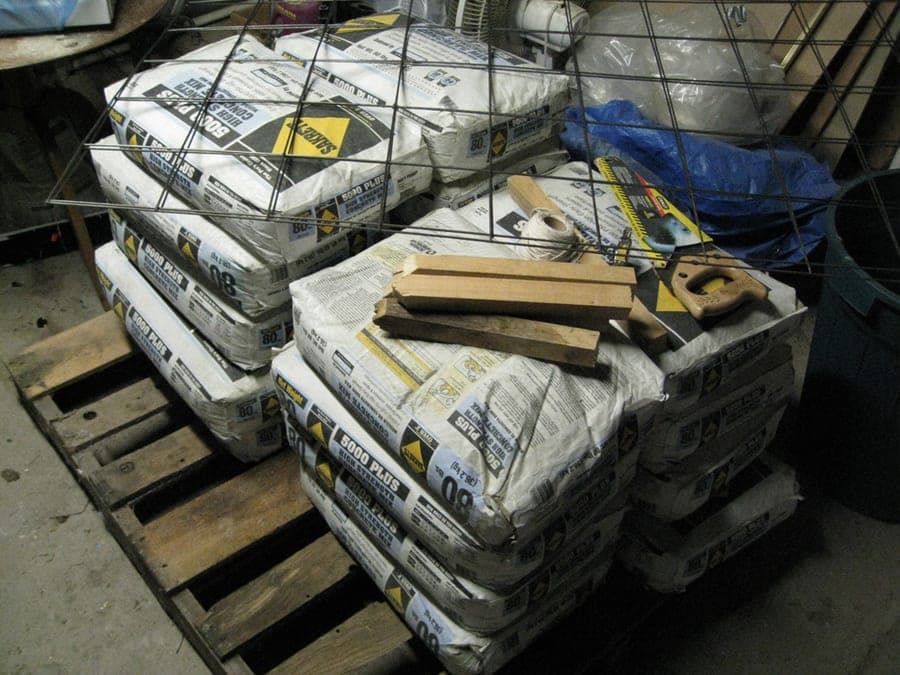
#ad we earn a commission · Amazon shows the current price
| Type | Quick-setting hydraulic cement |
|---|---|
| Set time | 3 to 5 minutes |
| Works under water | Patches holes where water is actively flowing through them |
| Composition | Sand and cement, 100% solids |
| Coverage | 16 cu in per lb |
Emergency first, proper repair second. Trying to inject a crack with water pouring out of it does not work.
What it gets right
- Sets in minutes with water running
- Cheap
- Keeps on a shelf
Where it falls short
- Rigid
- A plug, not a full-depth repair
Specifications from DRYLOK Fast Plug product data.
The five common mistakes
- Injecting too fast. Slow and steady fills the crack; fast blows the surface seal off.
- Starting at the top. You trap air and leave voids. Bottom up, always.
- Not letting the surface paste cure. The most common cause of a messy failure.
- Using epoxy on a wet crack. Moisture compromises the bond; use polyurethane.
- Treating the crack and ignoring the outside. If a downspout is discharging above that crack, you will be back.
Questions people ask
Can I seal a foundation crack from the inside?
Yes, with injection, which fills the crack through the full thickness of the wall. Surface patching from inside does not work, because water pressure gets behind it.
Epoxy or polyurethane?
Polyurethane for a wet crack or one that may still move, which covers most residential leaking cracks. Epoxy for a dry, stable crack where structural strength is the goal.
How long does a crack injection last?
A correctly executed polyurethane injection should be permanent for normal seasonal movement. Failures usually trace to poor preparation or to an unaddressed cause outside.
What if the crack comes back?
A repair that fails or a new crack beside it means the wall is still moving, which is a structural question rather than a sealing one. That is the point to involve an engineer.
Sources
Read next

The best basement crack repair kits
A single wet line down a wall is a crack, and a crack has three different fixes depending on whether it is wet, moving, or holding the house up.
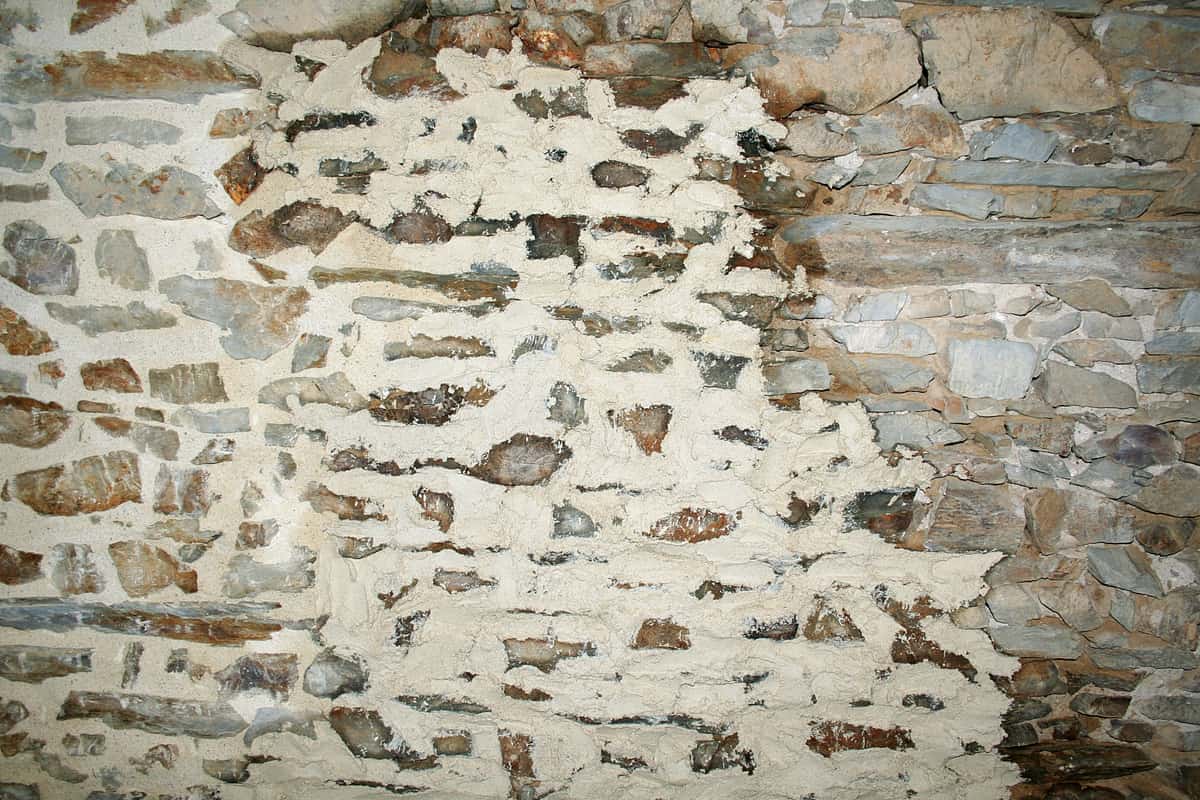
The best hydraulic cement for a leak you need to stop now
The only product in this aisle you can use while water is actively coming through the wall. Every basement should own a tub.

Interior vs exterior basement waterproofing
One manages water that has reached the wall. The other stops it arriving. They solve different problems and the sales pitch rarely says so.

The best basement waterproofing paint
These products work on exactly one problem. Used on the right wall they are excellent; used on the wrong one they peel off within a year.
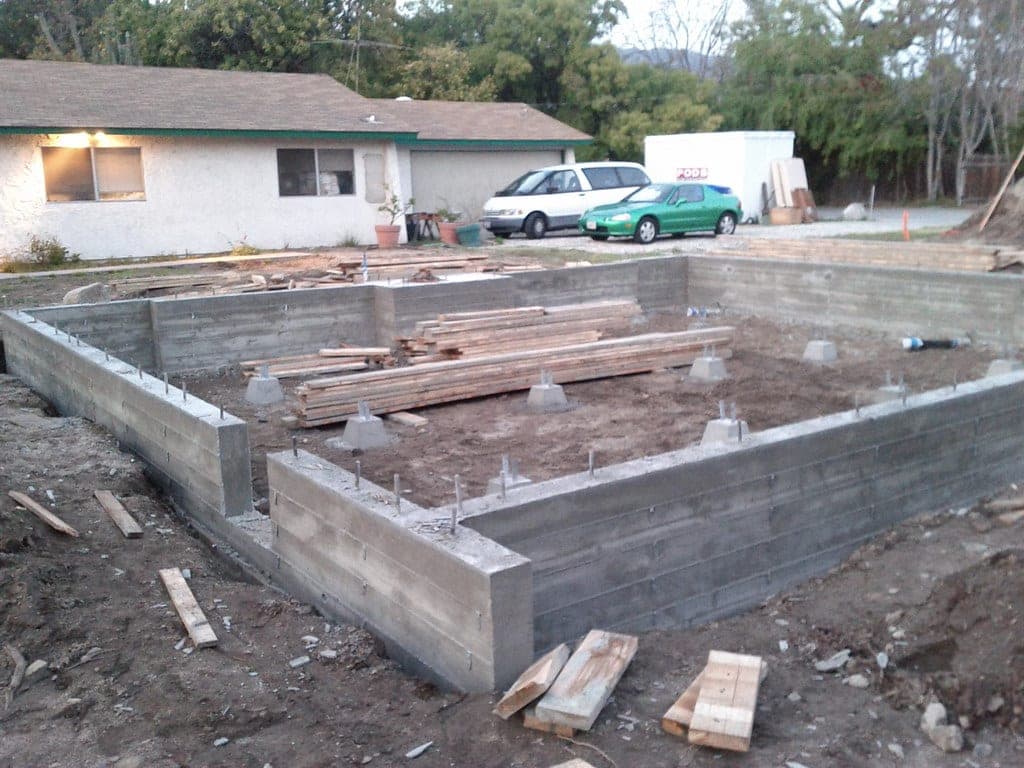
How to waterproof a basement
Start outside. A startling share of wet basements are fixed with a ladder and an afternoon, and no product at all.