Foundation waterproofing membranes
Every interior product manages water that has already reached the wall. A membrane stops it getting there, which is why it is the only permanent answer to pressure.
We earn a commission if you buy through our Amazon links, at no cost to you. We do not bench-test these products and we never take free product — how we pick · affiliate disclosure
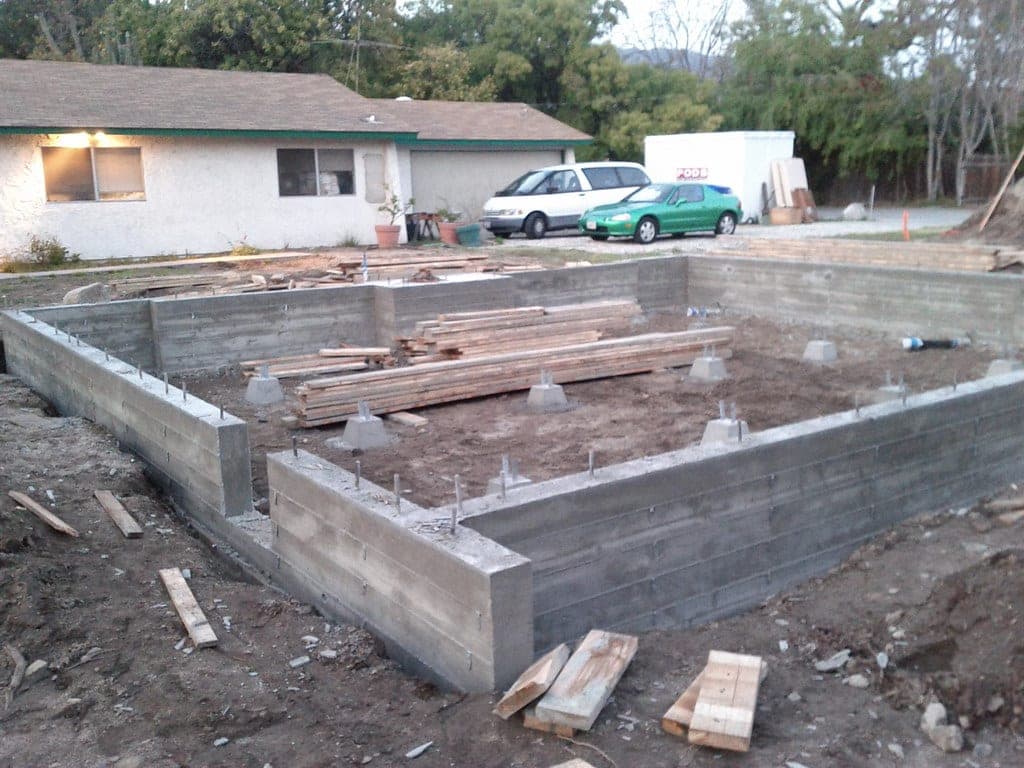
Hydrostatic pressure is the term for water in the soil pressing against your foundation. Saturated ground behaves like a column of water, and that column pushes through any path available: a crack, a cold joint, the pores in the block. No coating applied to the inside face can resist it for long, because the water is behind the coating pushing outward.
Only two approaches genuinely answer that. Remove the water before it reaches the wall — which is drainage and a membrane. Or relieve the pressure by collecting the water and pumping it away — which is drain tile and a sump pump. Most durable solutions use both.
What a membrane installation involves
- Excavate to the footingAround the affected walls, deep enough to expose the full height. This is the step that sets the cost, and it is not a shovel job on most houses.
- Clean and repair the wallWith the wall exposed, any cracks and voids get repaired properly from outside — which is far more effective than any interior repair.
- Apply a waterproof coating to the masonryA damp-proof or waterproof coating on the exterior face, under the membrane. The membrane manages water; the coating handles vapor.
- Fix the dimpled membrane, dimples against the wallWith a proper termination strip at the top so water cannot run down behind it.
- Check or replace the footing drainPerforated pipe in clean gravel, wrapped in filter fabric, falling to daylight or to the sump. A membrane without a working drain is half a job.
- Backfill correctly and grade awayFree-draining material against the wall, and the finished grade sloping away from the house. Backfilling with clay undoes much of the work.
Quick picks
| # | Product | Best for | Score | Price |
|---|---|---|---|---|
| 1 |  Dimpled foundation drainage membraneA dimpled sheet that creates an air gap and a drainage plane between the soil and your wall. Dimpled foundation drainage membraneA dimpled sheet that creates an air gap and a drainage plane between the soil and your wall. | A permanent exterior fix | 8.1 | Check price on Amazon #ad we earn a commission · Amazon shows the current price |
| 2 |  DRYLOK Extreme Masonry WaterprooferThe interior alternative, honestly labeled: a different product solving a smaller version of the problem. DRYLOK Extreme Masonry WaterprooferThe interior alternative, honestly labeled: a different product solving a smaller version of the problem. | When excavation is not happening | 8.1 | Check price on Amazon #ad we earn a commission · Amazon shows the current price |
Scores are ours and editorial, not lab measurements — see how we pick. Tap a row for the full write-up.
Dimpled foundation drainage membrane
A dimpled sheet that creates an air gap and a drainage plane between the soil and your wall.
#ad we earn a commission · Amazon shows the current price
| Type | Dimpled HDPE air-gap membrane for exterior foundation walls |
|---|---|
| How it works | Holds an air gap against the wall so water runs down to the footing drain |
| Reality check | Installing it means excavating to the footing, so this is a renovation item, not a weekend fix |
The dimples are the whole idea. They hold the sheet off the wall, creating a continuous vertical gap that gives water somewhere to go — down to the drain — instead of pressing against the masonry.
Two details decide whether it works: the top edge needs a proper termination strip so water cannot run behind the sheet, and the bottom needs to land on a drain that actually works. A membrane over a blocked footing drain just relocates the problem.
What it gets right
- Water that reaches the membrane runs down the dimples to the footing drain instead of soaking into the wall
- The air gap also breaks capillary contact between damp soil and the masonry
- Buried and protected, it lasts for decades with no maintenance
Where it falls short
- Requires excavating to the footing around the affected walls
- Only works if there is a functioning footing drain to discharge into
- Costs more than every interior option combined
Specifications from Amazon listing (search).
DRYLOK Extreme Masonry Waterproofer
The interior alternative, honestly labeled: a different product solving a smaller version of the problem.
#ad we earn a commission · Amazon shows the current price
| Type | Latex masonry waterproofer for interior and exterior masonry |
|---|---|
| Hydrostatic resistance | 15 PSI, tested to ASTM D-7088 |
| Coverage | 75 sq ft/gal first coat, 75 to 100 sq ft/gal second coat |
| Film build | 13 to 21 mils wet per coat; 17 mils dry minimum over two coats |
| Mildew | Biocide in the film to resist mildew growth on the dry paint |
| Shelf life | 5 years unopened |
| Warranty | 15 years, fully transferable, per UGL |
We include this to be clear about the trade rather than to blur it. For a damp wall it is the right product. For a wall under pressure it is a palliative, and knowing which you have is the entire skill in this category.
What it gets right
- Affordable and DIY-able
- Genuinely effective against dampness and light seepage
- No excavation
Where it falls short
- Cannot hold back real hydrostatic pressure
- Requires bare masonry
- Does not address the cause
Specifications from DRYLOK Extreme product data sheet, DRYLOK Extreme product page.
Interior drain tile: the other answer
Where excavation is impossible — a neighboring structure, a driveway, a budget — the interior equivalent is a perforated drain laid in a trench cut around the inside perimeter of the slab, falling to the sump. It does not keep water out of the wall, but it relieves the pressure and gives the water a route to the pump.
It is disruptive inside instead of outside, and it is the standard offer from basement waterproofing contractors. Compare both before committing — the comparison is laid out in interior vs exterior waterproofing.
Questions people ask
Is exterior waterproofing worth the cost?
For sustained hydrostatic pressure, it is the only approach that addresses the cause. For dampness and light seepage it is dramatically more than the problem requires.
Can I install a membrane myself?
The membrane itself is straightforward to fix. The excavation is not: it involves working alongside an exposed foundation, utility locates and a lot of soil. That part is a contractor job for most people.
How long does a dimpled membrane last?
Decades once buried. The polyethylene is inert, protected from UV and not subject to mechanical wear underground.
Do I still need a sump pump with a membrane?
Usually yes. The membrane directs water to the footing drain, and the footing drain has to discharge somewhere — either to daylight if the ground falls away, or to a sump pit and a pump.
Sources
Read next

Interior vs exterior basement waterproofing
One manages water that has reached the wall. The other stops it arriving. They solve different problems and the sales pitch rarely says so.
How to waterproof a basement
Start outside. A startling share of wet basements are fixed with a ladder and an afternoon, and no product at all.
The best basement waterproofing sealers
Sealers are judged almost entirely on preparation. The same product is excellent on a clean bare wall and useless on a painted one.
The best sump pumps, ranked by what they move at real lift
Five pumps that cover almost every residential pit, compared on the number that matters: how much water they move at the height your basement actually needs.

Basement waterproofing cost
The range runs from two downspout extensions to a full excavation. Understanding which end you are at is worth more than any national average.