The best sump pumps, ranked by what they move at real lift
Five pumps that cover almost every residential pit, compared on the number that matters: how much water they move at the height your basement actually needs.
We earn a commission if you buy through our Amazon links, at no cost to you. We do not bench-test these products and we never take free product — how we pick · affiliate disclosure

A sump pump specification sheet is designed to be read quickly and remembered wrongly. The number printed largest is gallons per hour at zero feet of lift — a figure that describes the pump lying on its side on a workshop floor with the outlet open. Your pump has to push water up out of the pit, across to the rim joist and out through twenty-odd feet of pipe. At that height it will move a good deal less.
So the ranking below uses flow at lift wherever the manufacturer publishes it, and says so plainly where they do not. Alongside that we weigh three things that decide whether a pump reaches its warranty: housing material, switch design, and how easy it is to service when something does go wrong.
Quick picks
| # | Product | Best for | Score | Price |
|---|---|---|---|---|
| 1 |  Zoeller M53 Mighty-MateThe cast-iron 1/3 HP pump most plumbers reach for, and the one we would put in our own pit without thinking about it. Zoeller M53 Mighty-MateThe cast-iron 1/3 HP pump most plumbers reach for, and the one we would put in our own pit without thinking about it. | The default replacement | 8.8 | Check price on Amazon #ad we earn a commission · Amazon shows the current price |
| 2 |  Wayne CDU980EThree-quarters of a horsepower of cast iron and stainless, for the pit that refills faster than a 1/3 HP pump can empty it. Wayne CDU980EThree-quarters of a horsepower of cast iron and stainless, for the pit that refills faster than a 1/3 HP pump can empty it. | High lift and fast inflow | 8.7 | Check price on Amazon #ad we earn a commission · Amazon shows the current price |
| 3 |  Liberty Pumps 257Commercial-grade construction and the switch most installers rate highest in the category. Liberty Pumps 257Commercial-grade construction and the switch most installers rate highest in the category. | A finished basement you do not want to think about | 8.6 | Check price on Amazon #ad we earn a commission · Amazon shows the current price |
| 4 |  Zoeller 1075 (1/2 HP cast iron submersible)The same design and the same switch as the M53, with half a horsepower behind it. Zoeller 1075 (1/2 HP cast iron submersible)The same design and the same switch as the M53, with half a horsepower behind it. | Stepping up without changing the pit | 8.6 | Check price on Amazon #ad we earn a commission · Amazon shows the current price |
| 5 |  Superior Pump 92341Cast iron and a vertical float at a price that makes a backup pit affordable. Superior Pump 92341Cast iron and a vertical float at a price that makes a backup pit affordable. | A second pit, or a tight budget | 7.9 | Check price on Amazon #ad we earn a commission · Amazon shows the current price |
Scores are ours and editorial, not lab measurements — see how we pick. Tap a row for the full write-up.
Zoeller M53 Mighty-Mate
The cast-iron 1/3 HP pump most plumbers reach for, and the one we would put in our own pit without thinking about it.
#ad we earn a commission · Amazon shows the current price
| Type | Submersible, cast iron |
|---|---|
| Horsepower | 3/10 HP (sold as 1/3 HP) |
| Electrical | 115 V, 9.7 A, 60 Hz |
| Discharge | 1-1/2" NPT vertical female |
| Switch | Integral vertical float, on at 7-1/4", off at 3" |
| Solids handling | 1/2" |
| Shut-off head | 19.25 ft |
| Flow, by lift | 2,580 GPH at 0 ft · 2,040 GPH at 10 ft |
| Warranty | Three years |
The M53 is the pump that everything else in this category gets compared to, and the reason is unglamorous: it is a cast-iron body around a 1/3 HP motor with a float switch that does not get clever. Zoeller publishes flow at multiple lifts rather than only the zero-foot headline, which is itself a reasonable proxy for how seriously a manufacturer takes the spec sheet.
In a typical house with 8 to 10 feet of lift this pump clears a normal storm comfortably. It is not the highest-flow pump here and it is not trying to be. What it is, is the one with the fewest ways to go wrong — and in a device that sits in a hole doing nothing for eleven months a year, that is the specification that actually predicts whether it works in month twelve.
What it gets right
- Cast-iron housing sheds motor heat into the pit water, which is what gets a pump through a long storm run
- The vertical float switch design has been essentially unchanged for years, which means parts and knowledge are everywhere
- Non-clogging vortex impeller tolerates the grit that ends up in every pit
Where it falls short
- Heavier than a thermoplastic pump, which matters when you are lifting it out of a pit at arm's length
- Needs a pit wide enough for the float to travel; it is unhappy in a narrow crock
Specifications from Zoeller M53 (53-0001) specification sheet.
Wayne CDU980E
Three-quarters of a horsepower of cast iron and stainless, for the pit that refills faster than a 1/3 HP pump can empty it.
#ad we earn a commission · Amazon shows the current price
| Type | Submersible, cast iron and stainless steel |
|---|---|
| Horsepower | 3/4 HP |
| Electrical | 120 V, 10 A |
| Discharge | 1-1/2" NPT |
| Switch | Vertical float, on at 9", off at 4" |
| Intake | Top suction, to keep debris out of the impeller |
| Seals | Carbon/ceramic shaft seal, ball bearings in a sealed oil bath |
| Flow, by lift | 5,490 GPH at 0 ft · 4,600 GPH at 10 ft |
| Warranty | Five years, limited |
This is the pump you buy when the problem is volume rather than reliability. If your pit empties and refills within a minute or two during sustained rain, you are at the limit of a 1/3 HP pump and adding a second pump or stepping up the motor are the only two real answers.
Wayne's reputation here is built on flow per dollar and on being quieter than the output suggests. The trade-off is current draw: check the circuit, and if you are planning to run it from a generator during outages, size the generator for the starting surge rather than the running watts.
What it gets right
- Substantially more flow at the same lift than the 1/3 HP pumps here, which is the point of it
- Cast iron and stainless construction, with a top suction intake that keeps debris out of the impeller
- Quiet in operation relative to its output
Where it falls short
- Overkill for a pit with modest inflow, where it will short-cycle
- Draws more current, so the circuit and any backup generator need to be sized for it
Specifications from Wayne CDU980E specification listing, Wayne 58321 CDU980E distributor listing.
Liberty Pumps 257
Commercial-grade construction and the switch most installers rate highest in the category.
#ad we earn a commission · Amazon shows the current price
| Type | Submersible, Class 25 cast iron |
|---|---|
| Horsepower | 1/3 HP |
| Electrical | 115 V, 5.2 A |
| Discharge | 1-1/2" NPT vertical female |
| Impeller | Thermoplastic vortex |
| Solids handling | 3/8" |
| Minimum pit | 10 in diameter |
| Maximum head | 23 ft (rated head 5 ft) |
| Flow, by lift | 2,640 GPH at 0 ft |
| Warranty | Three years |
Liberty's argument is that the switch is the part that fails, so they put the most engineering into the switch. The sealed vertical magnetic float has no exposed pivot, no tether to wrap around a discharge pipe and nothing to stick in the position that floods a basement.
If your basement is finished — drywall, flooring, anything stored on the floor — that argument is worth the price difference. If it is bare concrete and a furnace, it is a nice pump at a premium.
What it gets right
- The vertical magnetic float switch is sealed and has no external arm to tangle on a pit wall
- Built to Liberty's commercial standards, which is the reason it turns up in rental and multi-family installs
- Quick-disconnect power cord makes a pull-and-replace far less unpleasant
Where it falls short
- Costs more than equivalent-output pumps from Wayne or Superior
- Not the highest flow for the money
Specifications from Liberty 257 specification listing, Liberty 250-series distributor spec page.
Zoeller 1075 (1/2 HP cast iron submersible)
The same design and the same switch as the M53, with half a horsepower behind it.
#ad we earn a commission · Amazon shows the current price
| Type | Submersible, cast iron |
|---|---|
| Horsepower | 1/2 HP |
| Line | Zoeller at Home consumer range |
There is a straightforward logic to this pump: if you already trust the Zoeller platform and the sizing math says 1/3 HP is marginal, this is the version of the same pump with more behind it. Nothing else changes — the switch, the serviceability and the installation are identical.
Work the lift out before you buy it, though. Going up a size because bigger feels safer is the most common sizing mistake in this category, and the cost of it is a pump that starts and stops all day.
What it gets right
- A straight capacity upgrade on the M53 with no change to how it is installed or serviced
- Cast-iron housing and the same long-lived switch platform
- Sensible step when a lift of 12 feet or more makes the 1/3 HP numbers marginal
Where it falls short
- More pump than most pits need
- Short-cycles in a small basin, same as any oversized pump
Specifications from Zoeller at Home sump pump range.
Superior Pump 92341
Cast iron and a vertical float at a price that makes a backup pit affordable.
#ad we earn a commission · Amazon shows the current price
| Type | Submersible, cast iron |
|---|---|
| Horsepower | 1/3 HP |
| Electrical | 120 V, 4.1 A |
| Discharge | 1-1/2" |
| Switch | Vertical float |
| Motor | Continuous duty, thermally protected split capacitor |
| Flow, by lift | 2,760 GPH at 0 ft |
| Warranty | Three years |
Superior's position in this market is honest value, and the 92341 is the clearest example of it: a cast-iron body and a vertical float for noticeably less than the equivalent from a premium brand, with a three-year warranty behind it.
The caveat is data. Superior publishes a zero-lift flow figure and not a curve, so we cannot tell you what it does at ten feet, and we are not going to estimate one. If you need a known number at a known lift, buy from a manufacturer that publishes one.
What it gets right
- Cast-iron housing at a price usually associated with thermoplastic pumps
- Three-year warranty, which is longer than the price suggests
- Vertical float fits pits too narrow for a tethered switch
Where it falls short
- Superior publishes flow at zero lift only, so we cannot show you a ten-foot figure for it
- Less installer support and fewer spares than the big three
Specifications from Superior Pump 92341 specification listing.
How we ranked these
Five criteria, weighted roughly equally. Flow at lift is measured from the manufacturer's published curve at 10 feet where one exists. Build covers housing material, impeller type and seal design. Switch is the single biggest predictor of whether a pump survives, so it carries real weight. Serviceability covers cord length, quick-disconnects and whether the switch can be replaced on its own. Value is the first four against the current street price band.
These are editorial scores, not laboratory measurements. We have not run these pumps on a bench and we do not claim to have — the full method is set out in how we pick.
Before you order: three things to check
- Measure the lift. From the pump's discharge to the highest point in the pipe. Add about a foot of equivalent head for every ten feet of horizontal run. See what size sump pump do I need.
- Measure the pit. Width decides switch type. A tethered float in a narrow pit will eventually catch on the wall and hold the pump on or off.
- Buy a check valve at the same time. The old one is as old as the pump you are replacing, and a tired valve makes a new pump look faulty. See check valves.

Questions people ask
What size sump pump do most homes need?
A 1/3 HP pump covers the large majority of residential pits with up to about 10 feet of lift. Step up to 1/2 HP when the lift is higher, the horizontal run is long, or the pit refills within a minute or two during sustained rain.
Is cast iron worth it over thermoplastic?
If the pump runs often and for long stretches, yes — the iron housing conducts motor heat into the surrounding water and keeps the thermal cutout from tripping. For a pump that cycles a few times a week, thermoplastic is genuinely adequate.
How many years should a new sump pump last?
Seven to ten years is the usual range. Cast-iron pumps in correctly sized pits reach the top of it; cheap pumps in hard-working pits fall short. See how long do sump pumps last.
Do I need a backup pump as well as this?
If the basement is finished or holds anything you could not replace, yes. The storms that fill the pit are the storms that take the power out. See battery backup sump pumps.
Sources
Read next
The best cast iron sump pumps
Iron is not a luxury finish. It is a heat sink, and it only earns its price in a pit that makes the motor work.

What size sump pump do I need?
Two measurements and ten minutes give you a real answer. Almost everyone skips both and buys on horsepower instead.

The best battery backup sump pumps
The storm that fills your pit is the storm that takes the power out. This is the half of the system that works when the other half cannot.
The best sump pump check valves
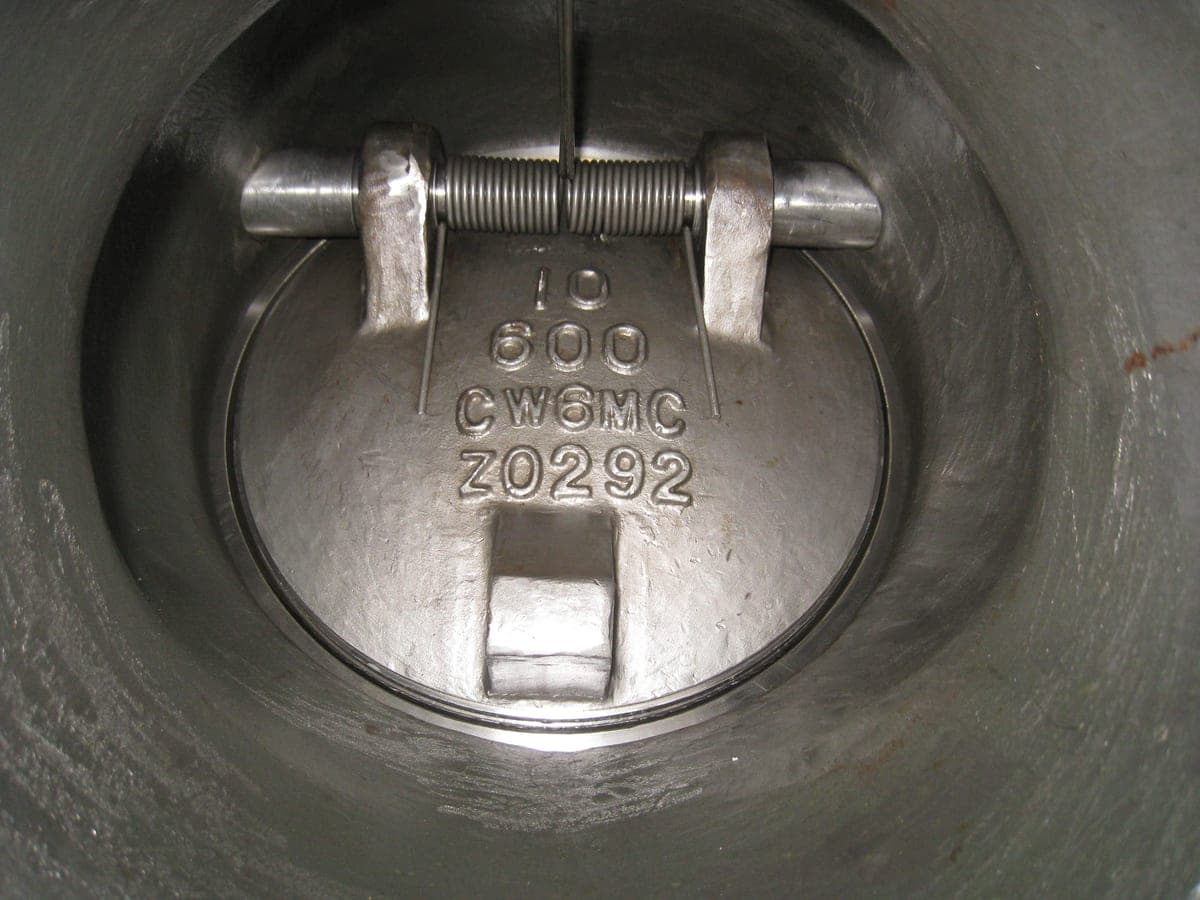
A forty-dollar valve is the single most common reason a healthy pump appears to be failing. It is also the easiest thing in the pit to replace.
1/3 HP vs 1/2 HP sump pump
The most common sizing question in the category, and the one most often answered by buying more pump than the pit can use.
How long do sump pumps last?
Seven to ten years is the honest range. What decides where you land in it is duty cycle, pit size and the switch — not the badge.