Sump pump keeps running: what is actually wrong
A pump that runs constantly is burning itself out, and in most cases the cause is a part that costs less than a tank of gas.
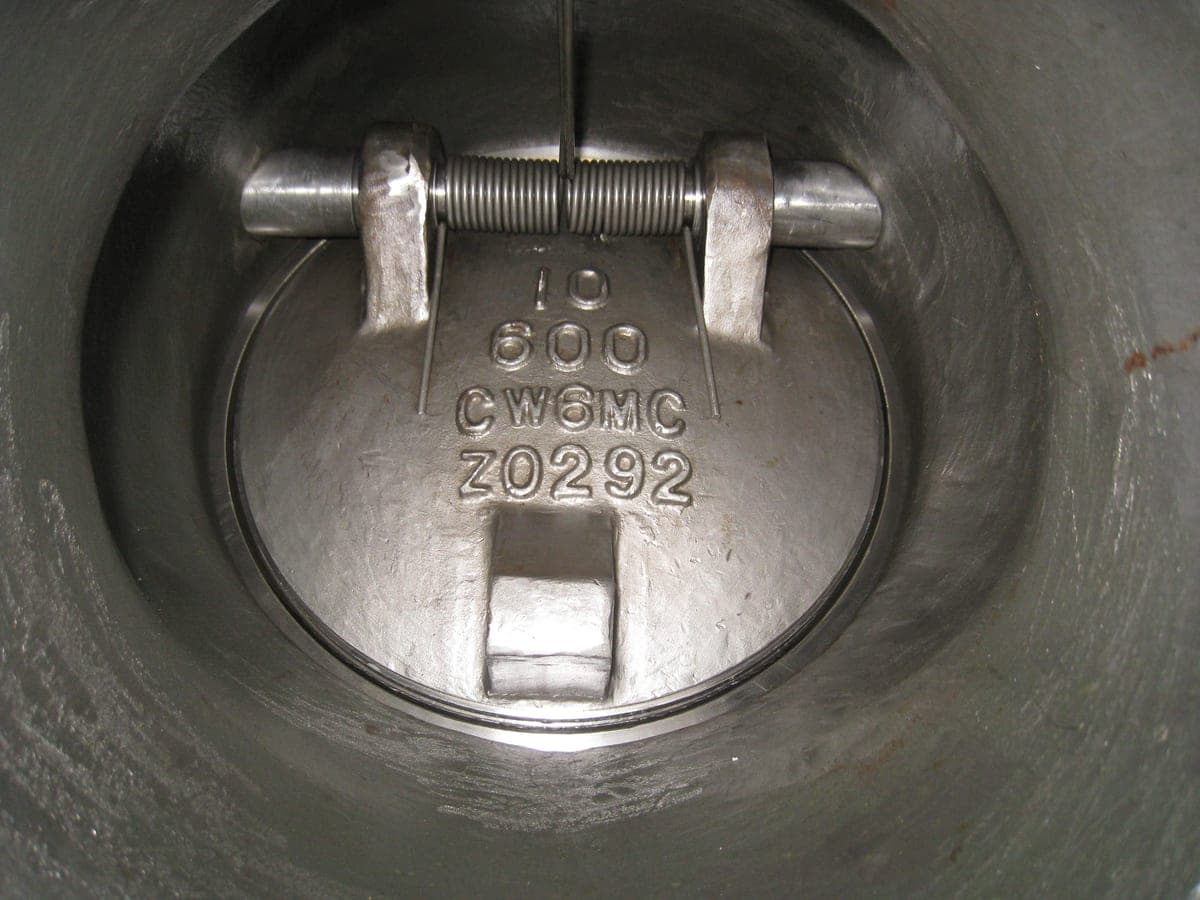
First, the urgent part: a pump running with nothing to pump is destroying itself. A submersible motor is cooled by the water around it, and running dry overheats it in a surprisingly short time. If the pit is empty and the pump is running, unplug it now and diagnose afterwards.
Work out which pattern you have
| Pattern | Cause | Fix |
|---|---|---|
| Runs, stops, restarts within seconds, repeatedly | Failed check valve letting water fall back | Replace the check valve |
| Runs continuously and never stops | Float stuck in the up position | Free or replace the float switch |
| Runs often, pit genuinely refilling fast | Real inflow — storm, high water table, or recirculation | Check the discharge location and the gutters |
| Runs with the pit empty | Float stuck, or wrong switch-off level | Unplug immediately, then inspect the switch |
The ten-minute diagnosis
- Watch one full cycleStand there and listen. Does it shut off at all? If yes, how long before it restarts? Under about ten seconds points firmly at the check valve.
- Listen for backflowRight after shutoff, a sustained gurgling or draining sound is water returning down the pipe past a failed valve.
- Look at the floatIs it resting against the basin wall, caught on the pump body or wrapped around the discharge pipe? Lift it gently and feel whether it moves freely.
- Check where the discharge endsIf it terminates within a few feet of the foundation, the water is draining back into the drain tile and returning. The pump is working perfectly and pumping the same water twice.
- Rule out real waterDuring a genuine storm or thaw, frequent cycling is correct behavior. The question is whether it is also doing it in dry weather.
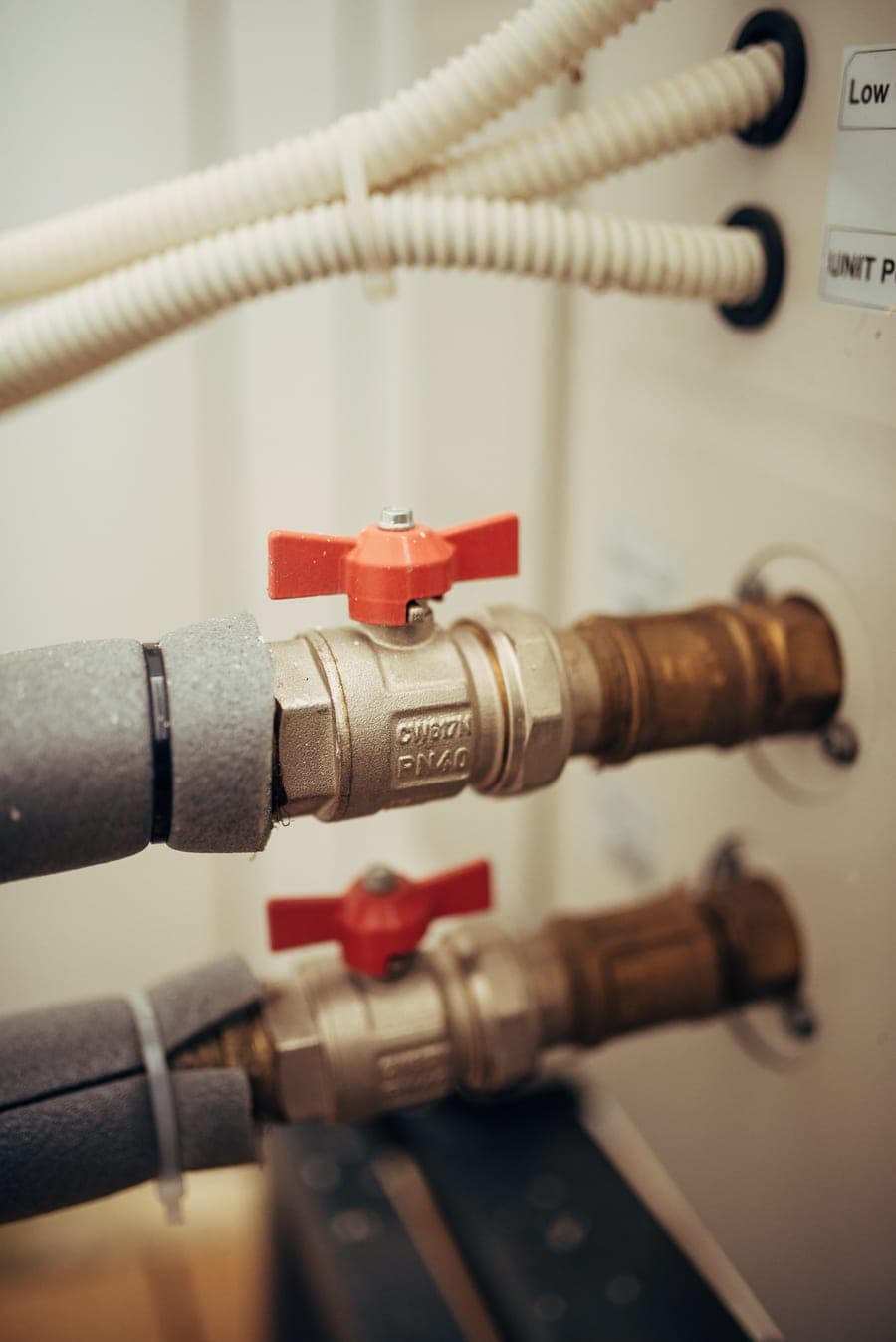
Campbell spring-loaded silent check valve
A failed check valve is the usual answer, and a spring-loaded replacement fixes the noise too.
#ad we earn a commission · Amazon shows the current price
| Type | Spring-assisted silent check valve |
|---|---|
| Why it is quiet | The spring closes the gate before the column of water reverses, so there is no slam |
The signature is distinctive: the pump stops, you hear water running back down the pipe, and a few seconds later it starts again. The pump is lifting the same water repeatedly.
What it gets right
- Addresses the number one cause
- Twenty-minute job with the right fittings
- Removes the shutoff bang
Where it falls short
- Slightly more restriction than a swing check
- Still a wear item
Specifications from Amazon listing (search).
Basement Watchdog BWC1 dual float switch
A dual float switch, which replaces a failed switch and adds redundancy at the same time.

#ad we earn a commission · Amazon shows the current price
| Type | Piggyback dual float switch with a controller |
|---|---|
| Redundancy | Two floats, so one stuck float does not stop the pump |
| Trigger | Activates when water raises the float about 1/3" |
| Run-on | Controller runs the pump about 10 extra seconds after the float drops |
If the float is held up by the pit wall, the discharge pipe or its own tether, the pump never gets the signal to stop. Replacing the switch fixes it and the dual version makes the next failure survivable.
What it gets right
- Piggyback install needs no work on the pump
- Two floats instead of one
- Cheap
Where it falls short
- Needs pit width
- Mechanical, so still a wear item
Specifications from Basement Watchdog BWC1 switch listing.
The less common causes
- Switch-off level set too low, so the pump runs itself nearly dry before stopping. Adjust the tether or the float position.
- A perforated basin in very wet ground, where water enters through the sides faster than you would expect. Real inflow, not a fault.
- A neighbor's or a downspout's water being delivered to your footing drain. Outdoor problem, indoor symptom.
- A failing switch contact that sticks closed electrically even though the float moves. Rarer, and the piggyback test identifies it.
Questions people ask
Why does my sump pump run every few minutes?
Most often a failed check valve: the water lifted up the pipe falls straight back into the pit, refills it above the switch-on level, and the pump restarts. Replacing the valve usually fixes it.
Is it bad for a sump pump to run constantly?
Yes. Running dry removes the water that cools the motor, and constant cycling wears the switch. Unplug a pump running with an empty pit until you have found the cause.
Can heavy rain make the pump run constantly?
Frequent cycling during a storm is normal. Continuous running in dry weather is not, and that is the distinction to pay attention to.
How much does it cost to fix?
A check valve or a float switch is an inexpensive part and a short job with the right fittings. That is a small fraction of a replacement pump, which is why diagnosing before replacing matters.
Sources
Read next
The best sump pump check valves
A forty-dollar valve is the single most common reason a healthy pump appears to be failing. It is also the easiest thing in the pit to replace.

Sump pump float switch not working
If a pump has stopped doing its job, the switch is more likely to blame than the motor — and it is a fraction of the price.
How a sump pump check valve works
One moving part, one job, and the single most common cause of a pump that appears to be failing.
Sump pump not working: find out why before you replace it
Most dead pumps are not dead. They are unplugged, switched off by a stuck float, or sitting behind a tripped GFCI.

Sump pump discharge pipe size
The pump is rated against a certain resistance. Every reduction, elbow and yard of corrugated hose adds to it — and the pipe is often the real bottleneck.