How a sump pump check valve works
One moving part, one job, and the single most common cause of a pump that appears to be failing.
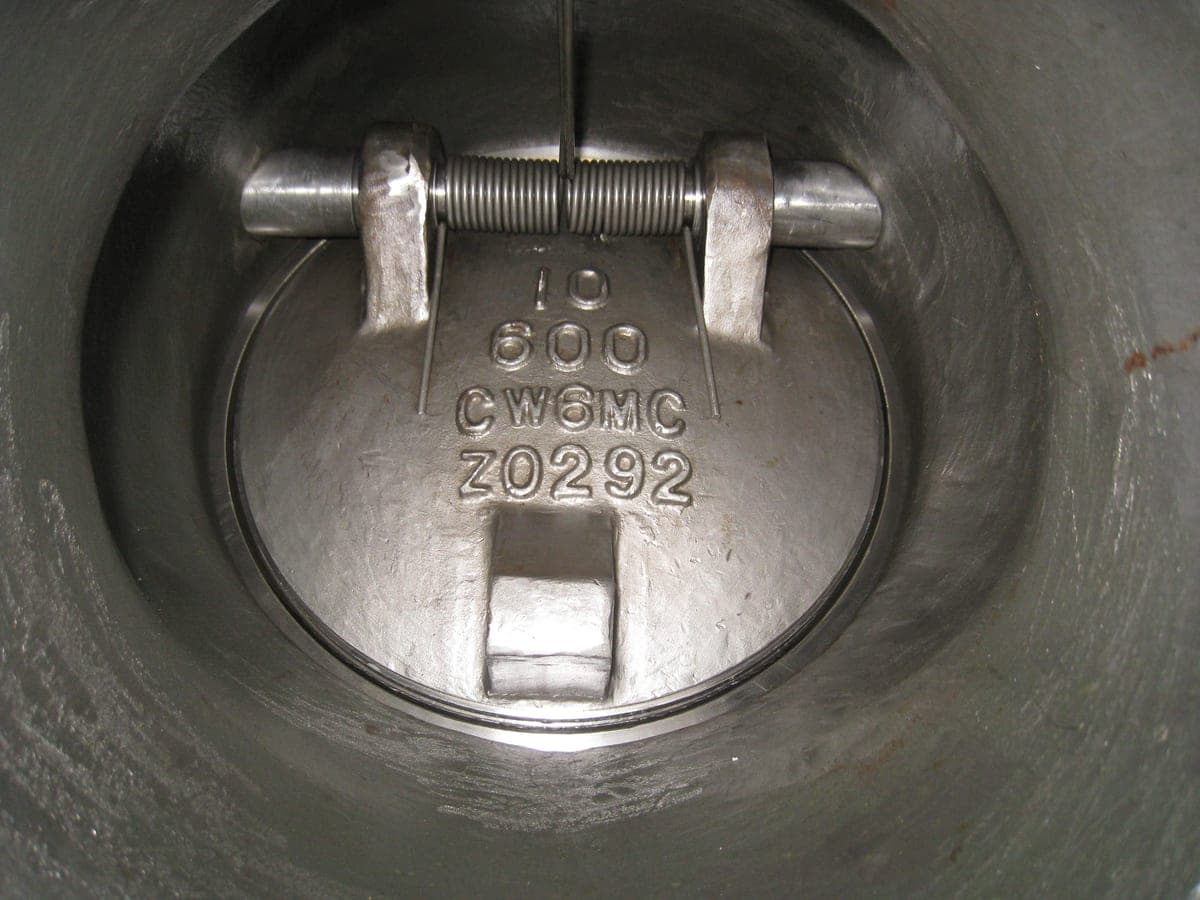
A check valve is a one-way gate in the discharge pipe, fitted just above the pump. While the pump runs, flow pushes it open. When the pump stops, the weight of the water standing in the pipe pushes it closed, and that water stays up in the pipe instead of falling back into the pit.
Why it matters more than it looks
In a typical installation with ten feet of vertical pipe, several gallons are standing in that pipe at the end of each cycle. Without a working check valve, all of it returns to the pit the moment the pump stops. The level rises back above the switch-on point, and the pump starts again.
The result is a pump that cycles every few seconds, pumping the same water over and over. It wears out the switch, the motor and the owner's patience, and it looks exactly like a pump that is failing.
Two designs
| Swing check | Spring-loaded (silent) | |
|---|---|---|
| How it closes | The returning water slams the flapper shut | A spring closes it as flow decays |
| Noise | A distinct bang through the floor | Essentially silent |
| Flow restriction | Lowest | Slightly higher |
| Price | Cheapest | A little more |
| Typical choice | Garages, utility pits, very high lift | Anywhere people can hear it |
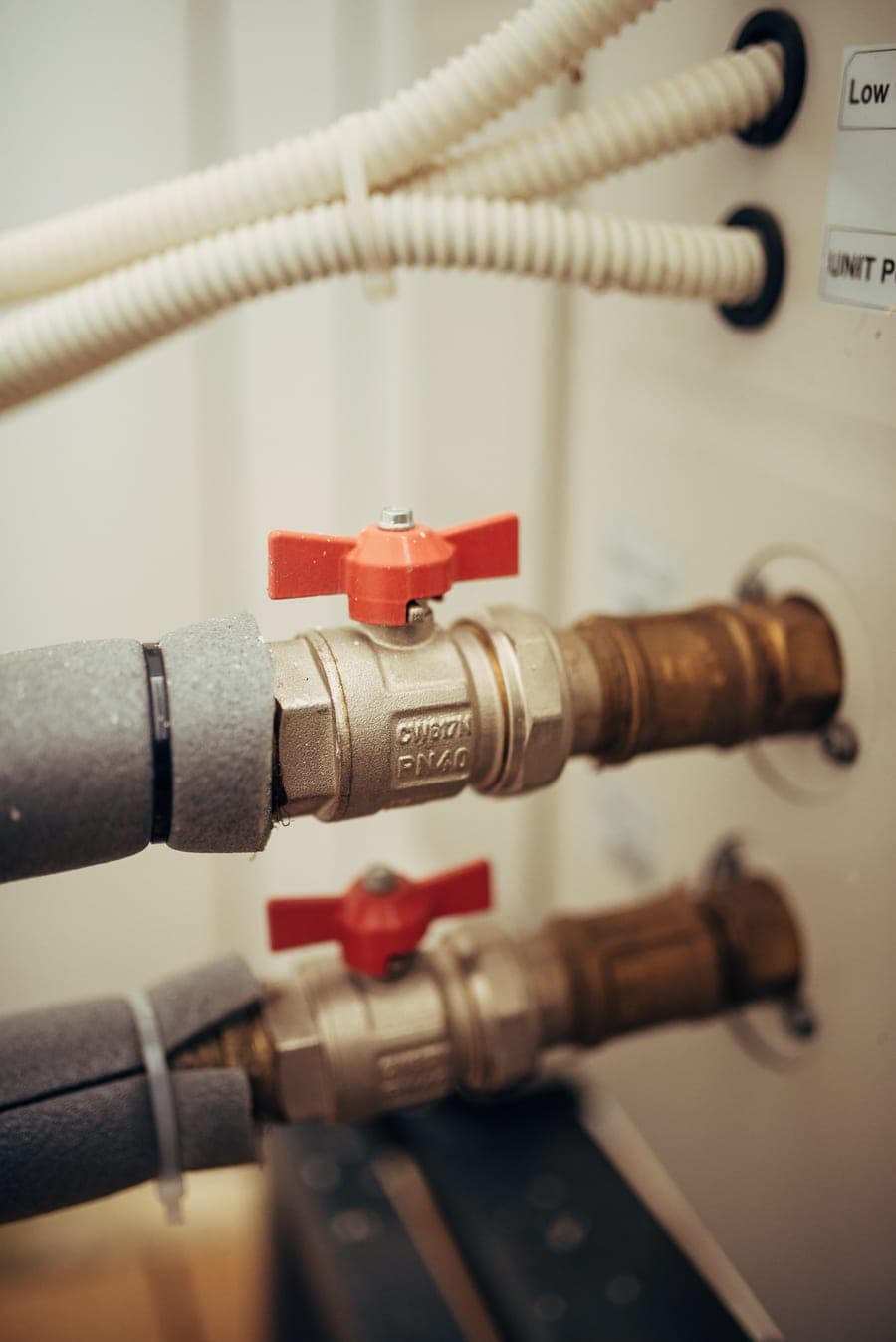
Campbell spring-loaded silent check valve
Spring-loaded, so it closes before the water column reverses and never slams.
#ad we earn a commission · Amazon shows the current price
| Type | Spring-assisted silent check valve |
|---|---|
| Why it is quiet | The spring closes the gate before the column of water reverses, so there is no slam |
For most houses this is the default choice: the small flow penalty buys a large reduction in noise.
What it gets right
- No bang
- Cheap
- Easy to fit with unions
Where it falls short
- Marginally more restriction
- Wear item
Specifications from Amazon listing (search).
Zoeller 30-0181 check valve
A conventional swing check, simple and with minimal effect on flow.
#ad we earn a commission · Amazon shows the current price
| Type | PVC union check valve with a flexible flapper |
|---|---|
| Size | 1-1/2" slip x slip union, fits 1-1/4" and 1-1/2" pipe |
| Orientation | Vertical or horizontal |
| Noise | Flapper bends over a radius rather than slamming a hard seat |
The right choice in a garage or a utility space where the noise is nobody's problem.
What it gets right
- Least flow restriction
- Very simple
- Widely stocked
Where it falls short
- Bangs on shutoff
Specifications from Zoeller check valve distributor listing.
How they fail
- The flapper wears or perishes, so it no longer seats and water flows back. The most common failure.
- Debris holds it open, usually a stone or a piece of grit from the pit.
- It sticks closed, which blocks the discharge entirely — the pump runs and nothing leaves.
- The spring fatigues on a silent valve, which returns it to behaving like a swing check, complete with the bang.
Fitting one so you can replace it easily
Use union fittings or rubber couplings on both sides. A check valve plumbed in with solvent-welded slip fittings has to be cut out with a hacksaw while standing over an open pit; the same valve with couplings comes out with a screwdriver in five minutes. You will do this more than once over the life of the pump.
Check the direction arrow before tightening anything. A check valve fitted backwards blocks the discharge completely, and it is a surprisingly common mistake.
Questions people ask
Do I need a check valve on my sump pump?
In any installation with meaningful vertical lift, yes. Without one, the pump re-lifts the same water every cycle and short-cycles itself to an early failure.
Where should the check valve be installed?
In the vertical discharge pipe just above the pump, with the direction arrow pointing away from the pump, and with unions or rubber couplings either side so it can be replaced easily.
How do I know if the check valve has failed?
The pump stops and restarts within a few seconds, repeatedly, and you can often hear water draining back down the pipe immediately after shutoff.
Can a check valve cause the pump to run but not pump?
Yes, if it has stuck in the closed position. Disconnect above the valve, run the pump briefly into a bucket, and strong flow confirms the blockage is at or beyond the valve.
Sources
Read next
The best sump pump check valves
A forty-dollar valve is the single most common reason a healthy pump appears to be failing. It is also the easiest thing in the pit to replace.
Sump pump keeps running: what is actually wrong
A pump that runs constantly is burning itself out, and in most cases the cause is a part that costs less than a tank of gas.

Why is my sump pump so loud?
Most sump noise comes from the check valve or the pipework, not the motor. That is good news, because both are cheap.

Sump pump clogged: finding the blockage
Three places block, and they need three different responses. Working out which one costs nothing but a few minutes.

Sump pump maintenance checklist
Twenty minutes a year, split into four short visits, is the difference between a pump that reaches ten years and one that fails at six.