Sump pumps, backups, parts and waterproofing explained by what actually fails.
Backup systems: what keeps the pit empty when the power is gone
Storms take the power out and fill the pit in the same hour. A backup is not an accessory — it is the half of the system that works when the other half cannot.
The worst night your sump pit will ever have is the night the grid goes down. That is not bad luck; it is the same weather. Wind and saturated ground bring down lines, and the same storm puts a season's worth of water against your foundation in six hours. A primary pump with no electricity does nothing at all.
There are three honest answers to that, and they fail in different ways. A battery backup runs for a measured number of hours and then stops. A water-powered backup runs indefinitely but needs municipal water pressure and spends a lot of fresh water doing it. A generator keeps the primary pump running at full capacity but requires somebody to be home, awake, and willing to go outside.
Which one is right depends almost entirely on how long your outages last and whether you are home for them. Start with water-powered vs battery if you have city water, or battery backup vs generator if you do not.
Work out your worst realistic outage first. Not the average one — the worst. Then pick the system that covers it with margin.
Battery backups: the default, with a clock attached
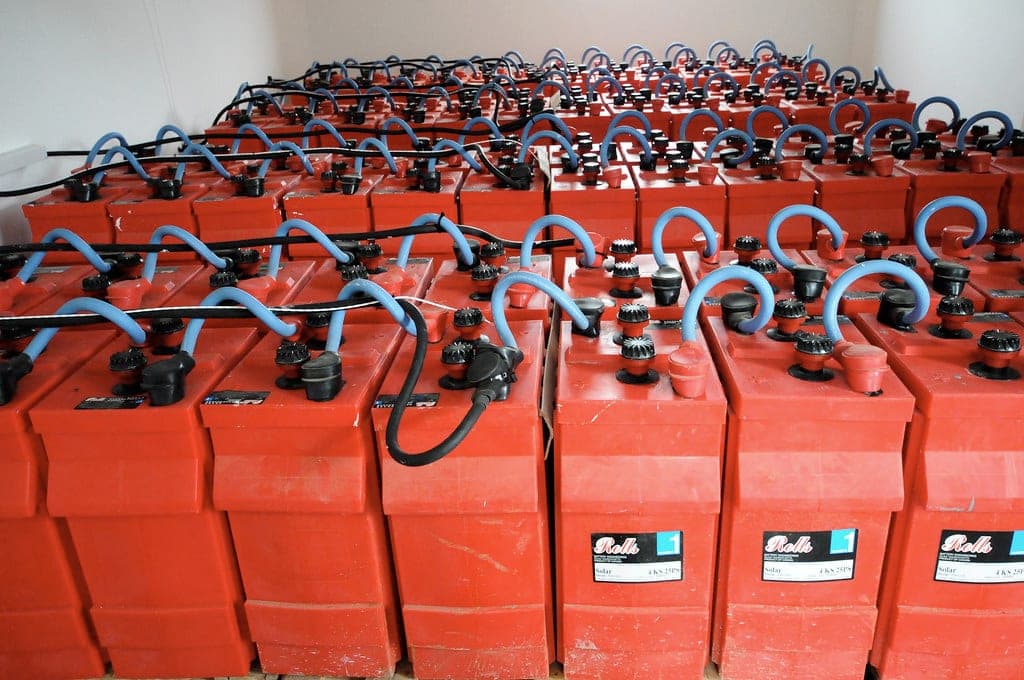
A 12-volt battery backup is the most common choice because it works in every house, needs no plumbing, and installs beside the existing pump. The trade is runtime. Most systems with a single group-27 AGM battery will run somewhere between 5 and 12 hours of intermittent cycling, depending on how often the pit refills. Continuous pumping drains it far faster. The honest way to read a runtime claim is as a cycle count, not as hours — see how long a sump pump battery lasts.
Runtime is a function of cycles, not of hours on a box.
Water-powered backups: no clock, but conditions apply
A water-powered backup uses the pressure in your municipal supply to drive an ejector that lifts sump water out. It has no battery to age, no charger to fail, and no runtime limit at all. In exchange it needs a well-pressurized city supply (it does nothing on a private well, because your well pump is also out), it uses roughly one to two gallons of fresh water for every gallon it removes, and many jurisdictions require a backflow preventer on the connection. Where it fits, it is the most reliable thing you can install.
Generators: full capacity, if you are home
A 2,000-2,600 watt inverter generator will run a 1/3 or 1/2 HP sump pump comfortably, including its starting surge. That gets you the primary pump's full flow rather than a backup's reduced flow. The catch is operational, not technical: somebody has to be there to start it, fuel it, and keep it outside and far from windows. It is a good second layer and a poor only layer.
The combination option
A combination unit ships a primary pump and a battery backup pre-matched in one package, usually with a single pit lid and one float assembly. It costs less than buying both separately and removes the most common installation mistake, which is setting the backup float too low so that it never gets a chance to run. The trade is flexibility: you are buying both halves from one manufacturer. See combination sump pumps.
Questions people ask
How long will a battery backup sump pump actually run?+
Think in cycles rather than hours. A typical group-27 AGM battery supports somewhere in the region of 1,500 to 2,500 gallons of pumping before it is flat. In light inflow that can be a day or more; during continuous heavy inflow it can be under six hours.
Can I use a car battery?+
You can, and it will work briefly, but a starting battery is designed for a short high-current burst and is damaged by the deep discharge a backup run demands. A deep-cycle AGM battery will survive many more outages and does not need topping up with water.
Does a water-powered backup work if I am on a well?+
No. Your well pump runs on the same electricity that just failed, so there is no pressure to drive the ejector. Water-powered backups are a municipal-supply solution only.
Should the backup pump sit higher than the primary?+
Yes. Mount the backup's intake and float above the primary's switch-on level so the primary handles normal duty and the backup only starts when the primary cannot keep up or has stopped. A backup mounted level with the primary runs constantly and flattens its battery for no reason.