Basement Watchdog Big Combo review
A complete primary-plus-backup system in one box, with four float switches and two check valves. Also a battery you have to buy, a Wi-Fi module you have to buy, and two different sets of published flow figures.
We earn a commission if you buy through our Amazon links, at no cost to you. We do not bench-test these products and we never take free product — how we pick · affiliate disclosure
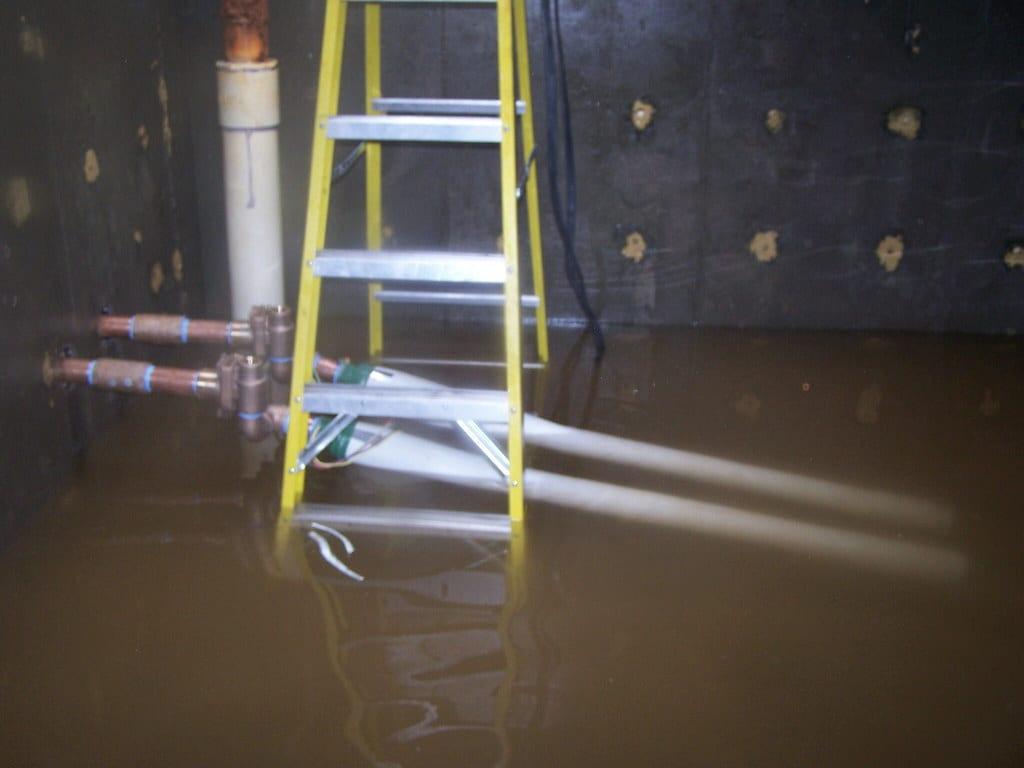
The Basement Watchdog Big Combo is worth buying in one specific situation: your primary pump is old or dead, your pit is at least twelve inches across, and you want redundancy without having to work out float heights and check valve placement yourself. In that case it is the most complete package on the market and the installation is as close to foolproof as a two-pump system gets. If your current pump is healthy, buy a standalone backup instead and keep the pump.
This review covers the system sold as the Big Combo, which Basement Watchdog also sells as the Big Combo Connect (model CITS-50, Wi-Fi capable with a separate module) and which appears at some retailers as the Big Combination, model BW4000. They are closely related packages and their listings quote different flow figures, which is the single most confusing thing about shopping for this product. We cover that below rather than pretending the numbers agree.
Quick picks
| # | Product | Best for | Score | Price |
|---|---|---|---|---|
| 1 |  Basement Watchdog Big ComboThe most complete primary-and-backup package you can buy in one box, with the float heights and the check valves already worked out — provided your pit is wide enough and you budget for the battery. | Replacing a whole sump system at once | 8.4 | Check price on Amazon #ad we earn a commission · Amazon shows the current price |
| 2 | 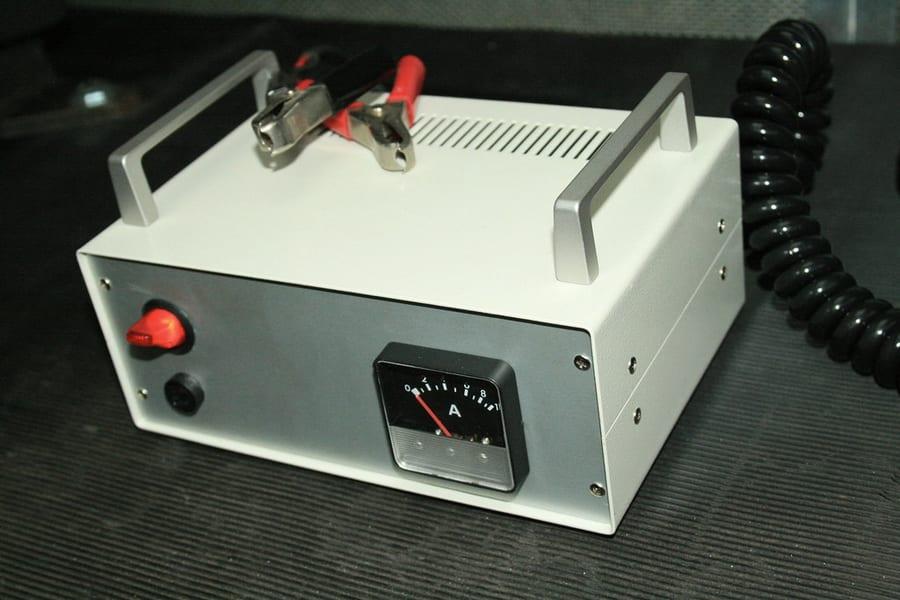 Zoeller AquaNot 508 battery backup systemA self-testing 12 V backup that bolts onto the pit you already have, so you are not throwing away a healthy primary pump to buy redundancy. | Keeping a primary pump that still works | 8.6 | Check price on Amazon #ad we earn a commission · Amazon shows the current price |
| 3 |  Wayne ESP25N battery backup systemA 12 V backup that publishes its flow at four separate lifts including the unflattering one, and moves more water at ten feet than either system above. | The most backup water at a basement lift | 8.5 | Check price on Amazon #ad we earn a commission · Amazon shows the current price |
Scores are ours and editorial, not lab measurements — see how we pick. Tap a row for the full write-up.
What is actually in the box
- A 1/2 HP cast-iron primary pump, published at 4,400 GPH at zero lift.
- A 12 V DC backup pump, published at 2,500 to 2,600 GPH at zero lift depending on the listing.
- A primary controller and a backup controller, the latter Wi-Fi capable on the Connect version with a separate module.
- Two dual float switches — one pair for each pump, so four switches in total.
- Two check valves and a 1-1/2 in rubber union, which is the correct discharge arrangement for two pumps sharing one pipe.
- A battery charger and a battery box. Not the battery.
The published figures, and why they disagree
| True Value listing (CITS-50) | Home Depot listing (BW4000) | |
|---|---|---|
| Primary pump at 0 ft | 4,400 GPH | 4,400 GPH |
| Primary pump at 10 ft | 3,540 GPH | 3,200 GPH |
| Backup pump at 0 ft | 2,600 GPH | 2,500 GPH |
| Backup pump at 10 ft | 1,850 GPH | 1,730 GPH |
| Primary housing | Cast iron | Cast iron and cast aluminum |
| Minimum pit | Not stated | 12" |
| Battery | Not included | Not included; acid sold separately |
| Warranty | Not stated | Not stated |
A ten percent spread between two national retailers describing the same hardware is not a rounding error, and it is worth understanding what it probably means: these are related but not identical packages, and retailer specification sheets in this category are copied between listings far more often than they are checked. Size your system on 3,200 GPH at ten feet for the primary and 1,730 for the backup. If the real figures are the higher pair, you have headroom. If you size on the higher pair and they are not, you do not.

What it is genuinely good at
Four float switches is the headline feature and it deserves to be. In a sump system the motor is rarely what fails; the switch is. A float that fouls against the pit wall, sticks with silt or simply wears out after a hundred thousand cycles is the most common way a working pump fails to run. This system puts two switches on each pump, which turns the single most likely failure into an inconvenience rather than a flood.
The weekly self-exercise cycle is the second. A backup pump that sits idle for eleven months and then fails on the one night it is needed is the default outcome for backup systems people install and forget. A controller that runs the pump periodically, watches the battery and complains when something is wrong converts that from a hidden failure into a noisy one. That is worth more than a few hundred gallons per hour.
And the pre-matched float heights genuinely remove the hardest part of a do-it-yourself backup install. If you have ever stood in a basement trying to decide how many inches above the primary's switch-on point the backup float should sit, you know why that matters. For the full comparison against building your own, see the best battery backup for an existing sump pump.
Where it falls short
- The battery is a separate, significant purchase. This is standard across the category, but it means the shelf price understates what you will spend by a long way.
- "Wi-Fi capable" is not Wi-Fi. On the Connect version, remote alerts need the separate CONNECT module. Read the listing carefully before assuming your phone will tell you anything.
- Two different published flow curves. Covered above. It is not a reason to avoid the system, but it is a reason to size conservatively.
- No warranty term on the listings we could reach. Most competing systems state two to three years. The absence is conspicuous.
- Single-manufacturer risk. Both pumps, both controllers and all four switches come from one company. There is a real argument for mixing manufacturers so that one design fault cannot take out your primary and your backup together.
- Pit size. Twelve inches is the stated minimum and that is tight for two pumps and four floats. Measure before ordering — see what size sump pit.
Who should buy it, and who should not
| Your situation | What to buy |
|---|---|
| Primary pump dead or over about seven years old, pit 12 in or wider | The Big Combo. Replacing both at once is cheaper than replacing them a year apart, and the float heights come set. |
| Primary pump healthy and under about five years old | A standalone backup — the Zoeller AquaNot 508 or the Wayne ESP25N — and keep your pump. |
| Pit narrower than 12 in | Neither. A narrow pit needs a single pump sized for it, not two. |
| Pit 12 to 14 in | The Big Combo or the AquaNot. The Wayne ESP25N needs 14 in. |
| You want the most backup water at 10 ft of lift | The Wayne ESP25N, which publishes 1,680 GPH at ten feet across a full four-point curve. |
| Outages at your address are long, not brief | Any of these, plus the biggest deep-cycle battery the box will take — and read the run-time arithmetic first. |
| No municipal water pressure problems and no interest in batteries at all | A water-powered backup instead; see the water-powered comparison. |
Questions people ask
Is the Basement Watchdog Big Combo worth it?
Yes, if your primary pump is old or has failed and your pit is at least twelve inches across. You get a 1/2 HP cast-iron primary, a 12 V backup, four float switches, two check valves and a union in one box with the float heights already matched — which is the part most home-assembled systems get wrong. If your primary pump is healthy, a standalone backup is the cheaper and less wasteful choice.
Does the Basement Watchdog Big Combo come with a battery?
No. The battery is sold separately, and on wet-cell versions the acid is too. It is a substantial part of the real cost and it is the component that determines how many hours the backup actually runs, so price it before comparing this system against anything else.
How many gallons per hour does the Big Combo pump?
The listings disagree. True Value publishes 4,400 GPH at zero lift and 3,540 at ten feet for the primary, with 2,600 and 1,850 for the backup. Home Depot's listing for the related BW4000 publishes 4,400 and 3,200 for the primary, with 2,500 and 1,730 for the backup. Plan on the lower pair.
What is the difference between the Big Combo and the Big Combo Connect?
The Connect version (model CITS-50) adds a Wi-Fi capable backup controller for remote alerts. The Wi-Fi itself needs the separate CONNECT module, so "Wi-Fi capable" on the box does not mean your phone will be notified out of the box. Some retailers also list a related package as the Big Combination, model BW4000, with slightly different published flow figures.
What size sump pit does the Big Combo need?
The Home Depot listing states a 12 inch minimum basin. In practice you want room for two pumps and four floats to move without touching each other or the discharge pipe, so measure your basin's inside diameter before ordering rather than after.
What should I buy instead if my sump pump still works?
A standalone battery backup. The Zoeller AquaNot 508 self-tests and alerts on power loss, high water and a blocked switch; the Wayne ESP25N publishes the best flow curve in our registry but needs a 14 inch basin. Either leaves your working primary pump in place.
Why do you not list prices?
Because a price written into an article in October is wrong by November. Every buy button on this site goes to the live listing so you see the current price rather than ours.
Sources
- Basement Watchdog Big Combo retail listing (Ace Hardware)
- Big Combo Connect (CITS-50) listing: 4,400 / 3,540 GPH primary, 2,600 / 1,850 GPH backup
- Big Combination (BW4000) listing: 4,400 / 3,200 GPH primary, 2,500 / 1,730 GPH backup, 12 in minimum pit, battery and acid sold separately
- Zoeller AquaNot 508 battery backup listing
- Wayne ESP25N specification listing with flow published at four lifts
Read next
The best combination sump pump systems
One box, two pumps, floats already set at the right heights. It removes the mistake that disables most home-built backup installations.
Basement Watchdog
A brand built around the second pump rather than the first, and around the idea that one float switch is one too few.
Basement Watchdog vs Zoeller
One of these tells you when it is unwell. The other is cheaper and expects you to check. That is most of the comparison.

The best battery backup sump pumps
The storm that fills your pit is the storm that takes the power out. This is the half of the system that works when the other half cannot.
How long does a sump pump battery last?
Think in cycles pumped, not hours elapsed. And replace the battery on age, because it will test fine right up until it does not.