Radon sump pit covers and sealing kits
If your house has a radon problem, the sump pit is usually the largest single opening between the soil and the air you breathe.
We earn a commission if you buy through our Amazon links, at no cost to you. We do not bench-test these products and we never take free product — how we pick · affiliate disclosure
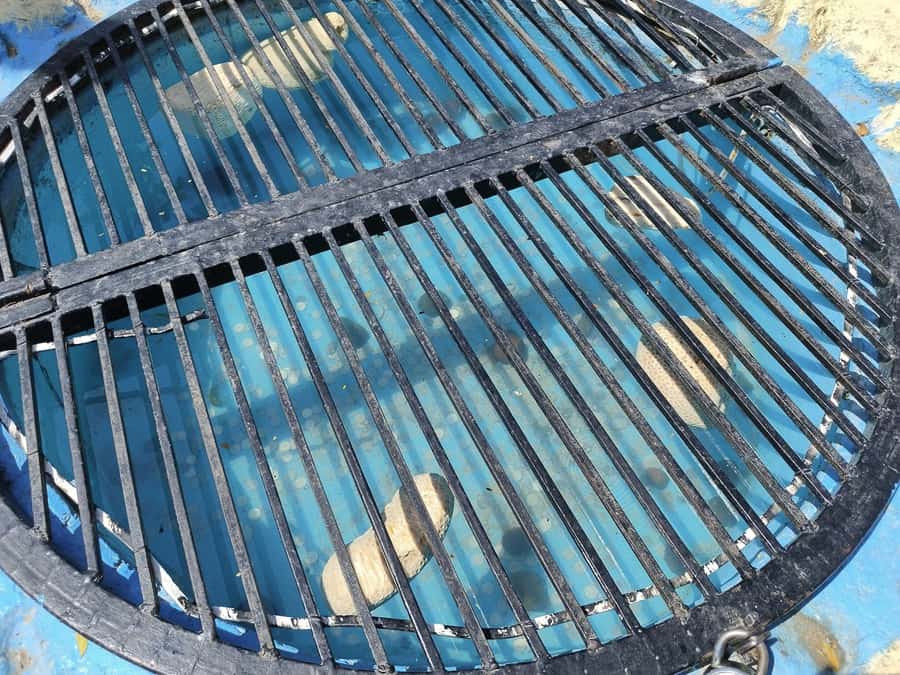
Radon is a naturally occurring radioactive gas that seeps out of soil and rock and accumulates indoors. The EPA identifies it as a leading cause of lung cancer among people who have never smoked. It is invisible, odorless, and the only way to know your level is to test — which costs very little.
This page is not radon advice. It is about one component: the sump pit, which in most basements is the single largest deliberate hole between the soil and your living space.
Why the pit matters so much
A sump pit is connected to the drain tile, which runs around the footing of your house, through the gravel under the slab. That is a continuous air path from a large area of soil to an open container in your basement. Covering it with a loose lid reduces that path. Sealing it gas-tight closes it, and lets a mitigation fan work on the soil instead of on your basement air.
Quick picks
| # | Product | Best for | Score | Price |
|---|---|---|---|---|
| 1 | 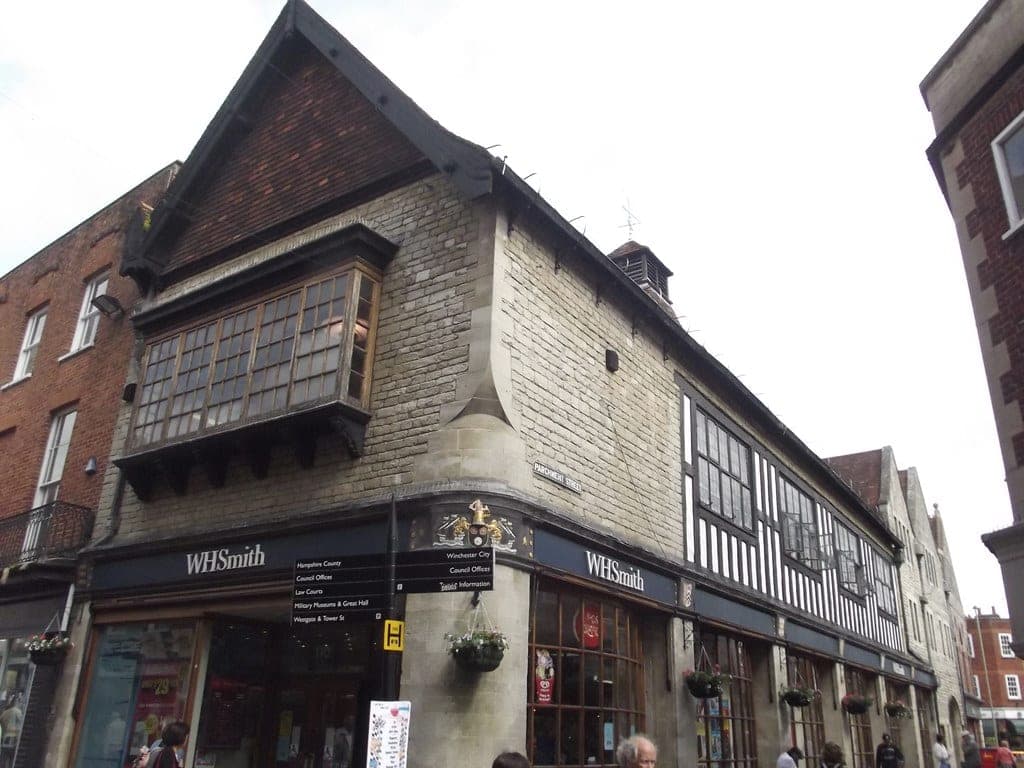 Radon-sealed sump pit cover kitA gas-tight cover kit with a vent connection, which is what a mitigation system actually needs. Radon-sealed sump pit cover kitA gas-tight cover kit with a vent connection, which is what a mitigation system actually needs. | A pit inside a mitigation system | 8.8 | Check price on Amazon #ad we earn a commission · Amazon shows the current price |
| 2 | Jackel sealed sump pit coverA gasketed lid with grommets — a large improvement over an open pit, short of a rated assembly. | A sealed lid without a full radon system | 8.2 | Check price on Amazon #ad we earn a commission · Amazon shows the current price |
Scores are ours and editorial, not lab measurements — see how we pick. Tap a row for the full write-up.
Radon-sealed sump pit cover kit
A gas-tight cover kit with a vent connection, which is what a mitigation system actually needs.
#ad we earn a commission · Amazon shows the current price
| Type | Gas-tight sump cover with gasket, grommets and a vent port |
|---|---|
| Use | Sub-slab depressurization systems that draw from the sump pit |
Sub-slab depressurization — the standard radon fix — works by drawing soil gas from under the floor and venting it above the roof. An open sump pit defeats it: instead of pulling gas from the soil, the fan pulls conditioned air from your basement down through the pit.
Sealing the pit properly turns it from the biggest leak in the slab into a convenient, already-plumbed suction point. That is why mitigation contractors go there first.
What it gets right
- Designed to be gas-tight rather than merely covered
- Provides for the mitigation fan connection, so the pit becomes part of the solution
- Usually includes the grommets and sealant the job needs
Where it falls short
- Harder to open for pump maintenance
- More expensive than a plain lid
- Fit is basin-specific
Specifications from Amazon listing (search).
Jackel sealed sump pit cover
A gasketed lid with grommets — a large improvement over an open pit, short of a rated assembly.
#ad we earn a commission · Amazon shows the current price
| Type | Bolt-down sump pit cover with pipe and cord grommets |
|---|---|
| Fits | Basins with pre-drilled rim inserts, 18 in class |
| Why it matters | Keeps debris, pets and children out, and cuts pit humidity and odor |
If radon is a background concern rather than a measured problem, a well-gasketed lid is a reasonable and much cheaper step. Be clear with yourself about which situation you are in — and the only way to know is to test.
What it gets right
- Substantially reduces what passes between the pit and the room
- Keeps the pump easy to service
- Cuts humidity and noise at the same time
Where it falls short
- Not a radon-rated assembly
- No provision for a mitigation fan connection
Specifications from Amazon listing (search).
What a proper seal involves
- A gasketed rim that compresses against the basin, not a lid resting on a ledge.
- Sealed penetrations for the discharge pipe and the power cord, using grommets or boots rather than tape.
- A vent connection if the pit is to be a mitigation suction point.
- A way back in. You still need to test the pump quarterly. Fasteners you can undo beat sealant you have to cut.
A pedestal pump cannot be sealed this way: the column and float linkage pass through the lid. If radon mitigation is on your list, that is a strong argument for a submersible — see pedestal vs submersible.
Questions people ask
Does a sump pit need to be sealed for radon?
If you have a measured radon problem and a mitigation system, yes — an open pit short-circuits sub-slab depressurization. If your level is low, a standard gasketed lid is usually enough for humidity and noise.
Can I seal the pit myself?
A gasketed lid with grommets is a straightforward DIY job. A pit that forms part of a radon mitigation system should be done in coordination with whoever designed the system.
Will sealing the pit stop the pump working?
No. A submersible pump is cooled by the water around it and does not need air in the pit. Make sure the lid still allows water to enter from the drain tile, which it will.
How do I know if I have a radon problem?
Test. Short-term test kits are inexpensive and widely available, and most state health departments publish guidance and sometimes free kits. There is no way to tell by looking.
Sources
Read next

The best sump pit covers
An open pit is an evaporation surface in the middle of your basement. A lid is the cheapest humidity fix there is.

The best sump pit basins
The hole constrains everything else. Get it wrong and you spend the next decade choosing pumps around a basin that is too small.
Pedestal vs submersible sump pump
Two ways to get water out of the same hole. The pit usually decides this before you do.

The best crawl space vapor barriers
Bare soil evaporates into your house all year. Covering it properly is the cheapest large improvement available under a floor.

The best basement dehumidifiers with a pump
A dehumidifier manages the moisture already in the air. It does nothing about where that moisture is coming from — which is a feature, not a criticism, as long as you know it.