Sump pump maintenance checklist
Twenty minutes a year, split into four short visits, is the difference between a pump that reaches ten years and one that fails at six.

Nothing here is difficult and none of it takes long. The reason sump pumps fail early is almost never that maintenance was hard — it is that nobody went down there between storms.
Every three months
- Pour a bucket in and run the test. Confirm it starts, confirm it stops, confirm it does not immediately restart. Full method: how to test a sump pump.
- Look at the float. Clear of the wall, the pipe and the pump body through its full travel.
- Check the pit for debris and scoop out anything obvious.
- Test the water alarm by wetting the contacts.
- Check the backup controller for warning lights or a battery alert.
Twice a year
- Walk the discharge line outside. Clear the outlet, check nothing has been planted over it, and confirm the ground still falls away.
- Check the gutters and downspouts. More water reaches a foundation through a blocked gutter than through anything the pump can fix.
- Test the backup pump under load. Unplug the primary and pour water in; the backup should take over.
Once a year
- Lift the pump out and clean it. Rinse the intake screen and the impeller housing outside, and scoop the sludge from the bottom of the basin.
- Inspect the check valve. A valve that bangs harder than it used to, or a pump that restarts quickly, means it is near the end.
- Check the cord and plug for damage or corrosion.
- Note the pump's age somewhere you will find it again. Tape a label inside the lid with the install date.
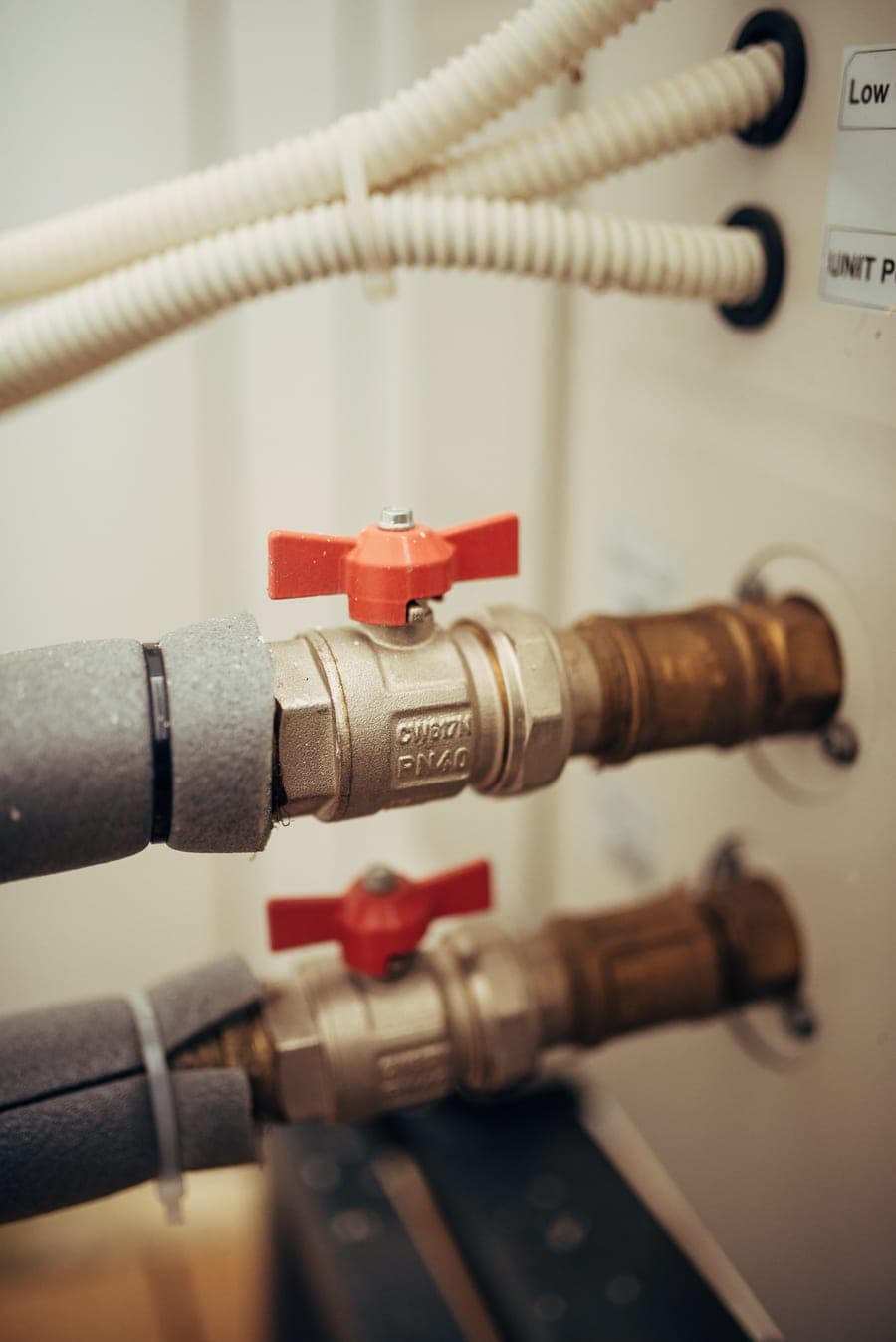
Campbell spring-loaded silent check valve
Check valves wear out quietly. Replacing one every few years prevents the failure it causes.
#ad we earn a commission · Amazon shows the current price
| Type | Spring-assisted silent check valve |
|---|---|
| Why it is quiet | The spring closes the gate before the column of water reverses, so there is no slam |
Put it on the same schedule as smoke alarm batteries and it never gets forgotten.
What it gets right
- Cheap
- Quick with unions
- Removes the bang as a bonus
Where it falls short
- Slight flow restriction
Specifications from Amazon listing (search).
Universal Power Group UB121000 (12 V 100 Ah AGM)
Backup batteries fail silently. Replace on age, not on symptoms.

#ad we earn a commission · Amazon shows the current price
| Type | Sealed AGM deep-cycle, maintenance free |
|---|---|
| Nominal | 12 V, 100 Ah |
| Use | Group 27/31 class capacity for a 12 V backup pump controller |
Three to five years, regardless of how healthy it looks on the charger.
What it gets right
- 100 Ah of sealed AGM
- Maintenance-free
- Works with standard controllers
Where it falls short
- Heavy
- Check your battery box dimensions
Specifications from Amazon listing (search).
Replace on schedule, not on symptoms
| Part | Replace at | Why |
|---|---|---|
| Backup battery | 3–5 years | Fails under load with no warning on the charger |
| Check valve | 3–7 years | Wears quietly and causes short cycling |
| Float switch | When it misbehaves, or with the pump | Cheapest part, most common failure |
| Primary pump | 7–10 years | Past that you are gambling on which storm it fails in |
| Water alarm battery | Annually | Same date as the smoke alarms |
Questions people ask
How often should a sump pump be serviced?
A five-minute test quarterly, a discharge-line walk twice a year, and a proper clean-out annually. That is the whole schedule.
Do sump pumps need oil or lubrication?
No. Residential submersible pumps are sealed units with no user-serviceable lubrication. Cleaning and testing is the entire maintenance task.
When should I replace a working sump pump?
At seven to ten years. Replacing a working but elderly pump on a dry Tuesday costs the same as replacing it in an emergency and carries none of the risk.
How do I know how old my pump is?
Many have a date code on the housing or the nameplate. If not, assume it came with the house or the last owner, and plan accordingly.
Sources
Read next
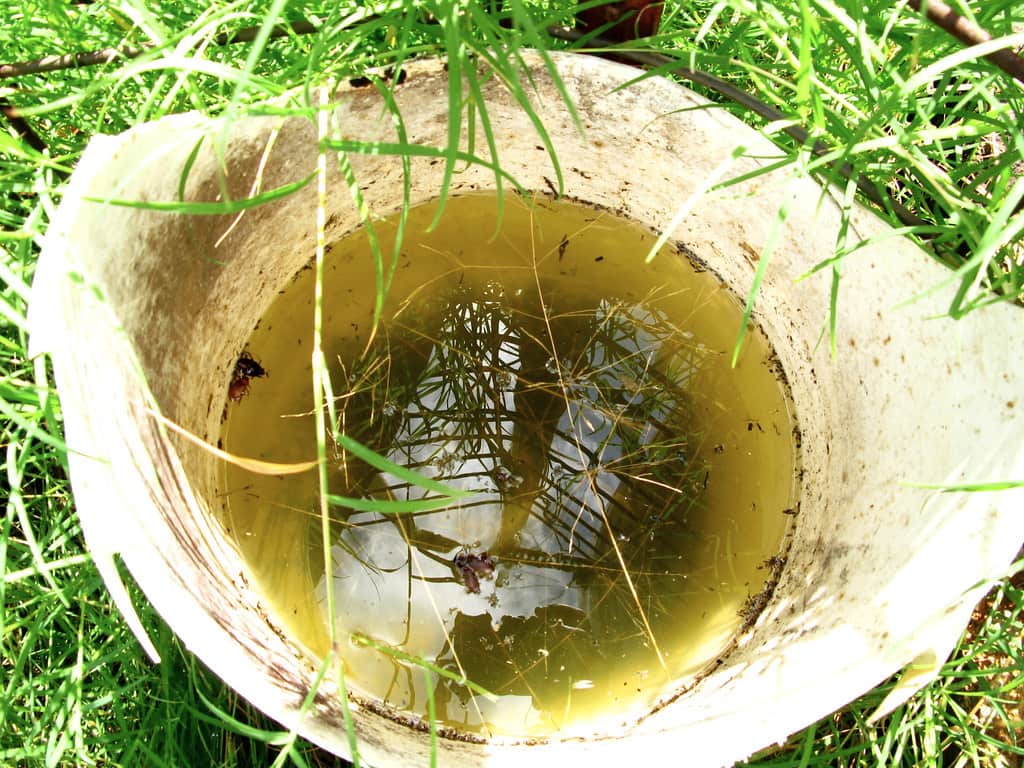
How to test a sump pump
Five minutes, four times a year. The half of the test most people skip is confirming that the pump stops.
How long do sump pumps last?
Seven to ten years is the honest range. What decides where you land in it is duty cycle, pit size and the switch — not the badge.
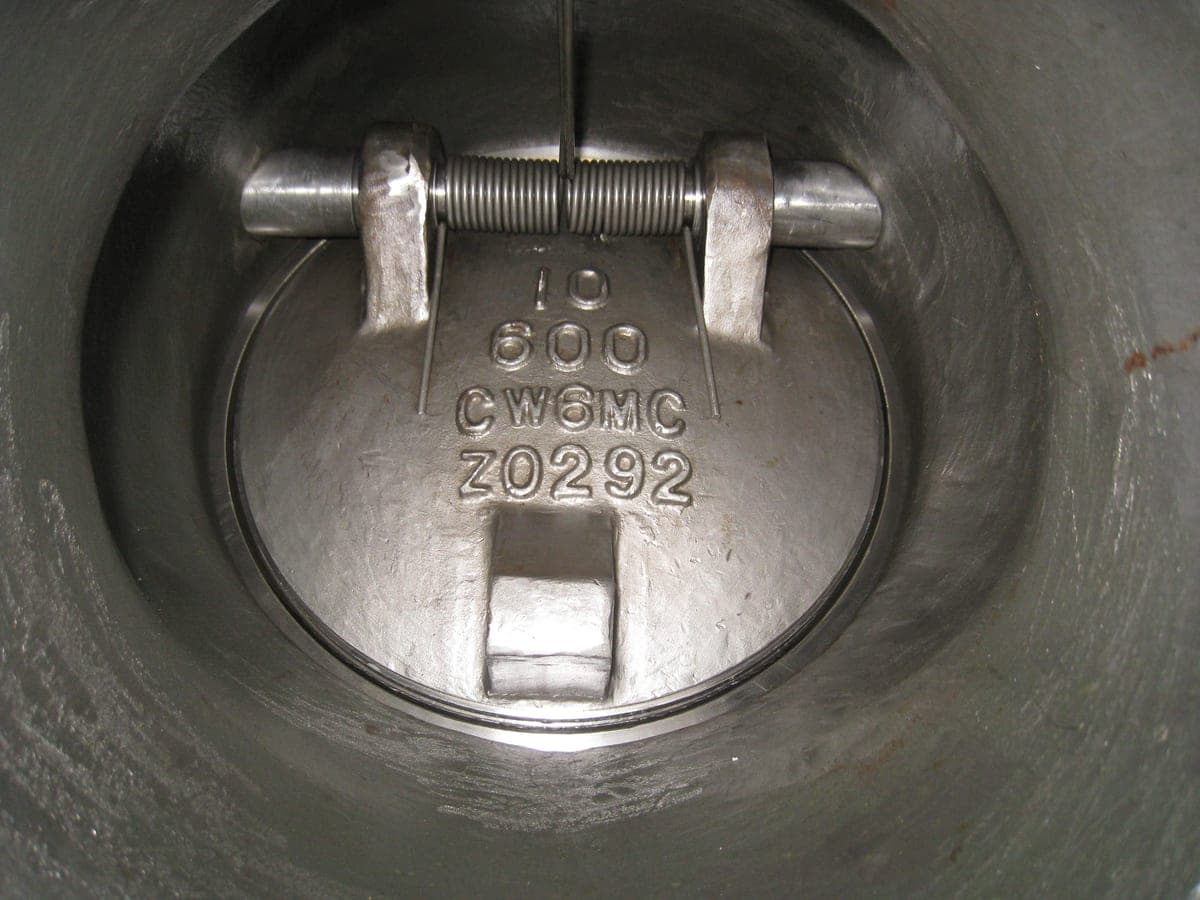
The best sump pump check valves
A forty-dollar valve is the single most common reason a healthy pump appears to be failing. It is also the easiest thing in the pit to replace.
The best batteries for a backup sump pump
Your backup system is only as good as the battery behind it, and the battery is the part everyone forgets until the night it matters.

Sump pump clogged: finding the blockage
Three places block, and they need three different responses. Working out which one costs nothing but a few minutes.