Sump pump insurance coverage
The damage a failed sump pump does is excluded from a standard policy. One endorsement puts it back, with conditions worth understanding first.

A standard homeowners policy excludes damage from water that backs up through sewers or drains, or that overflows or is discharged from a sump or sump pump. To cover it you add an endorsement — in ISO's standard forms, "Water Back Up And Sump Discharge Or Overflow", form HO 24 73. It typically carries its own limit and its own deductible, and it specifically does not cover flood, surface water or water below the ground surface, which is what separate flood insurance is for.
This is general information about how these policies are structured, not advice about your policy. Your declarations page and your agent are the authority on what you actually have.
The three separate things people confuse
| Water event | Base homeowners policy | Water backup endorsement | Flood insurance |
|---|---|---|---|
| Sump pump fails and the basement floods | Excluded | Generally covered | No |
| Sewer or drain backs up into the basement | Excluded | Generally covered | No |
| Rising surface water enters the basement | No | Excluded | Yes |
| Groundwater seeping through the walls | No | Generally excluded | Generally no |
| A burst supply pipe | Generally covered | Not needed | No |
| The sump pump itself, destroyed by the failure | No | Generally not covered | No |
The bottom two rows catch people out most. Long-term groundwater seepage through a foundation wall is usually treated as a maintenance matter rather than a sudden event, and the endorsement typically pays to repair what the water damaged without paying to replace the pump that failed.
What the endorsement generally pays for
- Water extraction and professional drying after the event
- Repair or replacement of damaged building materials — drywall, flooring, trim
- Cleaning or replacing damaged personal property in the affected area
- Mitigation costs incurred to limit the damage
And what it generally does not: the failed equipment itself, damage caused directly or indirectly by flood or surface water regardless of what else contributed, and loss that traces back to neglected maintenance.
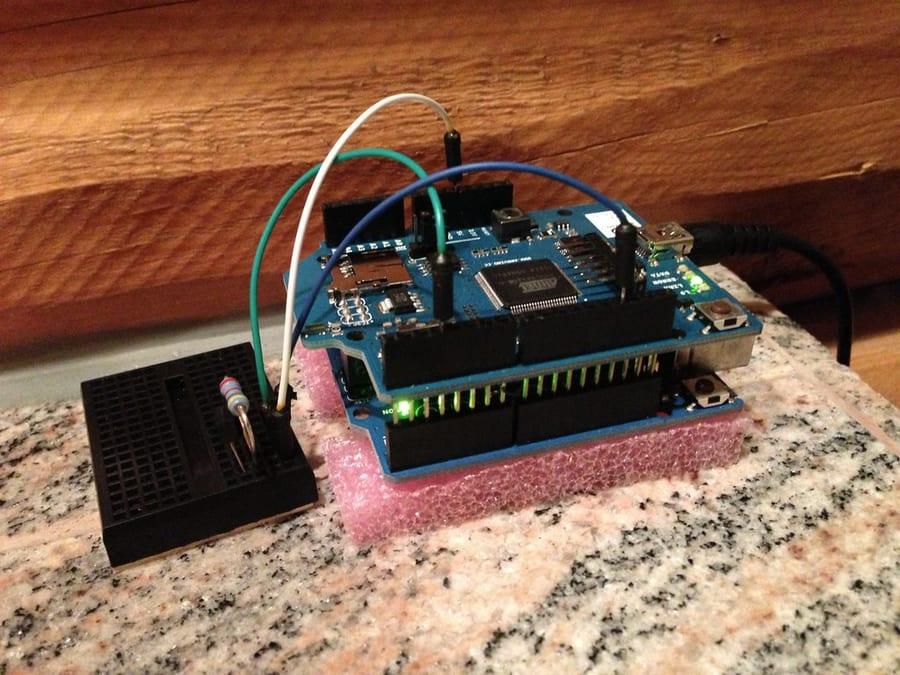
Basement Watchdog Emergency (BWE)
A 12 V DC backup with a dual float switch and a battery fluid-level sensor — protection against the outage that causes the claim.
#ad we earn a commission · Amazon shows the current price
| Type | 12 V DC battery backup pump, thermoplastic |
|---|---|
| Horsepower | 1/3 HP |
| Current draw | 6.5 A at 12 V |
| Switch | Dual float switch plus a battery fluid level sensor |
| Charger | 0.4 A |
| Included | Control unit, pump with 1-1/2" PVC adapter, battery box, charger |
| Battery | Not included, sold separately |
| Flow, by lift | 2,000 GPH at 0 ft · 1,000 GPH at 10 ft |
The classic claim in this category is a storm that cuts the power and overwhelms a pump that has no electricity to run on. An endorsement pays for the damage after the fact; a backup pump prevents the loss, keeps your deductible in your pocket, and keeps your claims history clean.
Insurers routinely recommend exactly this. One carrier's own guidance on water backup coverage advises testing the sump pump periodically and considering a battery backup in areas prone to power outages.
What it gets right
- Dual float switch, so one stuck float does not stop the backup
- Battery fluid level sensor in addition to charge monitoring
- 6.5 A draw at 12 V, which stretches a given battery further
- Ships as a complete kit apart from the battery
Where it falls short
- 2,000 GPH at zero lift falling to 1,000 GPH at ten feet
- Battery not included
- Needs room in the basin
Specifications from Basement Watchdog BWE specification listing, Basement Watchdog BWE retail listing.
Basement Watchdog water alarm
A standalone basement water alarm with a floor sensor — it sits beside the pit, so it only sounds once the pit has already lost.
#ad we earn a commission · Amazon shows the current price
| Type | Standalone basement water alarm with a floor sensor |
|---|---|
| Use | Sits beside the pit, not in it, so it only sounds when the pit has already lost |
The size of a water claim is largely a function of how long the water sat there. An alarm that gets you into the basement in the first hour is the difference between a wet floor and ruined drywall, flooring and contents — and between a small claim and a large one.
What it gets right
- Nothing to configure, no app, no hub, nothing to lose connection to
- Sits on the floor beside the basin rather than in it, so it signals a real failure
- The cheapest item in a basement water plan by a wide margin
Where it falls short
- Local alarm only — no use if nobody is home to hear it
- Battery-powered, so it needs an annual test
Specifications from Amazon listing (search).
PumpSpy sump pump monitor
A Wi-Fi sump pump monitor with its own high-water float, watching pump power, cycles and pit level and pushing alerts.

#ad we earn a commission · Amazon shows the current price
| Type | Wi-Fi sump pump monitor with its own high-water float |
|---|---|
| What it watches | Pump power, pump cycles and pit water level |
| Alerts | Push and email when the pump stops cycling or the level climbs |
The practical argument for a monitor over an alarm is that it tells you the pump has stopped cycling, which is a warning rather than a report. It is also the only item here that leaves a record of what the pump was doing and when — which is exactly the kind of documentation that makes a claim straightforward.
One honest caveat: in a power cut your router is off too, unless it is on a small UPS. Pair a monitor with a loud local alarm rather than relying on it alone.
What it gets right
- Watches pump power, pump cycles and pit water level, not just a flood that has already happened
- Push and email alerts when the pump stops cycling or the level climbs
- Its own high-water float, independent of the pump's switch
- Creates a record of pump behavior, which is useful evidence if you ever claim
Where it falls short
- Needs working Wi-Fi in the basement — and your router is off in a power cut unless it is on a UPS
- More to set up than a standalone alarm
- Subscription and app dependencies vary by product generation
Specifications from Amazon listing (search).
The maintenance condition, which is the part that bites
Which turns the maintenance routine into an insurance measure as much as a mechanical one. The full schedule is in the sump pump maintenance checklist, and the annual clean-out itself in how to clean a sump pit.
Keeping a claim payable, and keeping it small
- Read your declarations page for the endorsement name, its limit and its separate deductible. Limits and deductibles on this endorsement are set separately from the main policy.
- Check the limit against the real exposure. A finished basement with a home office in it is a much larger number than an unfinished one with a workbench.
- Keep a maintenance record. Dates of pit cleans, pump tests, battery replacements and any parts fitted, with photos. This is what answers an adjuster's neglect question.
- Photograph the installation while it is working. A clean pit, a working alarm and a dated backup battery are much easier to demonstrate before a loss than after one.
- Fit a backup and an alarm. The backup prevents the loss; the alarm limits it. Both reduce the claim you would otherwise make.
- Document the loss immediately if it happens — photographs before you start removing anything, and receipts for everything you spend on drying and mitigation.
Is the endorsement worth it?
That depends on three things, and you can answer all three yourself: what a basement flood would actually cost you, how likely a pump failure or outage is where you live, and what the endorsement's limit and deductible are. A finished basement in an area with frequent storm outages and a high water table is a very different calculation from an unfinished basement on well-drained ground.
What is not in question is the order of spending. Prevention is cheaper than any deductible: a backup pump, a working alarm and a maintained pit cost a fraction of a single claim's out-of-pocket share, and they do not raise your premium at renewal. Buy the hardware first, then the endorsement to cover what the hardware cannot.
Questions people ask
Does homeowners insurance cover sump pump failure?
Not under a standard policy. Water that backs up through sewers or drains, or that overflows or discharges from a sump or sump pump, is excluded. Coverage is added by endorsement — in ISO's standard forms, "Water Back Up And Sump Discharge Or Overflow", form HO 24 73 — which carries its own limit and its own deductible.
What is a water backup endorsement?
An add-on to a homeowners policy that covers direct physical loss caused by water backing up through sewers or drains, or overflowing or discharging from a sump or sump pump. It typically pays for water extraction, professional drying, repair of damaged building materials and cleaning or replacing damaged personal property.
Does the endorsement cover flooding?
No. The endorsement excludes loss caused directly or indirectly by flood, surface water or water below the ground surface, regardless of any other cause contributing to it. Rising external water requires separate flood insurance.
Will insurance replace my sump pump?
Generally no. The endorsement is written to cover damage the water caused, not the equipment that failed. If mechanical breakdown or a power failure destroys the pump itself, replacing the pump is usually on you.
Can a claim be denied if I did not maintain the pump?
Yes. If an adjuster finds the pump failed because it was neglected — clogged with debris, for instance — the insurer can deny the claim even with the endorsement in place, because neglect undermines coverage the same way it does under the base policy. Keep a dated record of pit cleans, pump tests and battery changes.
Is sump pump insurance worth it?
It depends on what a basement flood would cost you, how often you lose power, and the endorsement's limit and deductible. What is clear is the order of spending: a backup pump, a working alarm and a maintained pit cost less than a single claim's out-of-pocket share and do not affect your premium at renewal.
Sources
Read next

Sump pump maintenance checklist
Twenty minutes a year, split into four short visits, is the difference between a pump that reaches ten years and one that fails at six.

The best battery backup for an existing sump pump
Your primary pump is fine. You want the outage covered without tearing the pit apart. These are the systems that do that.
The best basement water alarms
An alarm that needs no network, no account and no firmware update. For an occupied house it is often the most reliable thing you can buy.

Your basement flooded. Do these things in this order.
Electricity first, source second, water third, drying fourth. Getting the order wrong is how people get hurt or lose the insurance claim.

How to clean a sump pit
An afternoon, once a year. It is also the only time you will ever get a proper look at the parts that keep your basement dry.