Skip to content
Sump & Seal

The parts that fail before the pump does

A service call usually ends with a new pump. Most of the time the dead component cost under forty dollars and has its own aisle.

This section exists because of a pattern we kept finding while researching this site. Search any sump pump symptom and you get page after page of lead-generation content that describes the problem accurately, then stops exactly where the useful part begins. The diagnosis is free. The part number is not, because the part number is the thing that lets you fix it without the service call.

So every page in this section names the component, explains how it fails, and links the part. A check valve is the most common single cause of a pump that seems to run forever. A float switch is the most common cause of a pump that does not run at all. A lid that does not seal is the reason the basement smells. None of those are a pump failure, and all of them are a part you can hold in one hand.

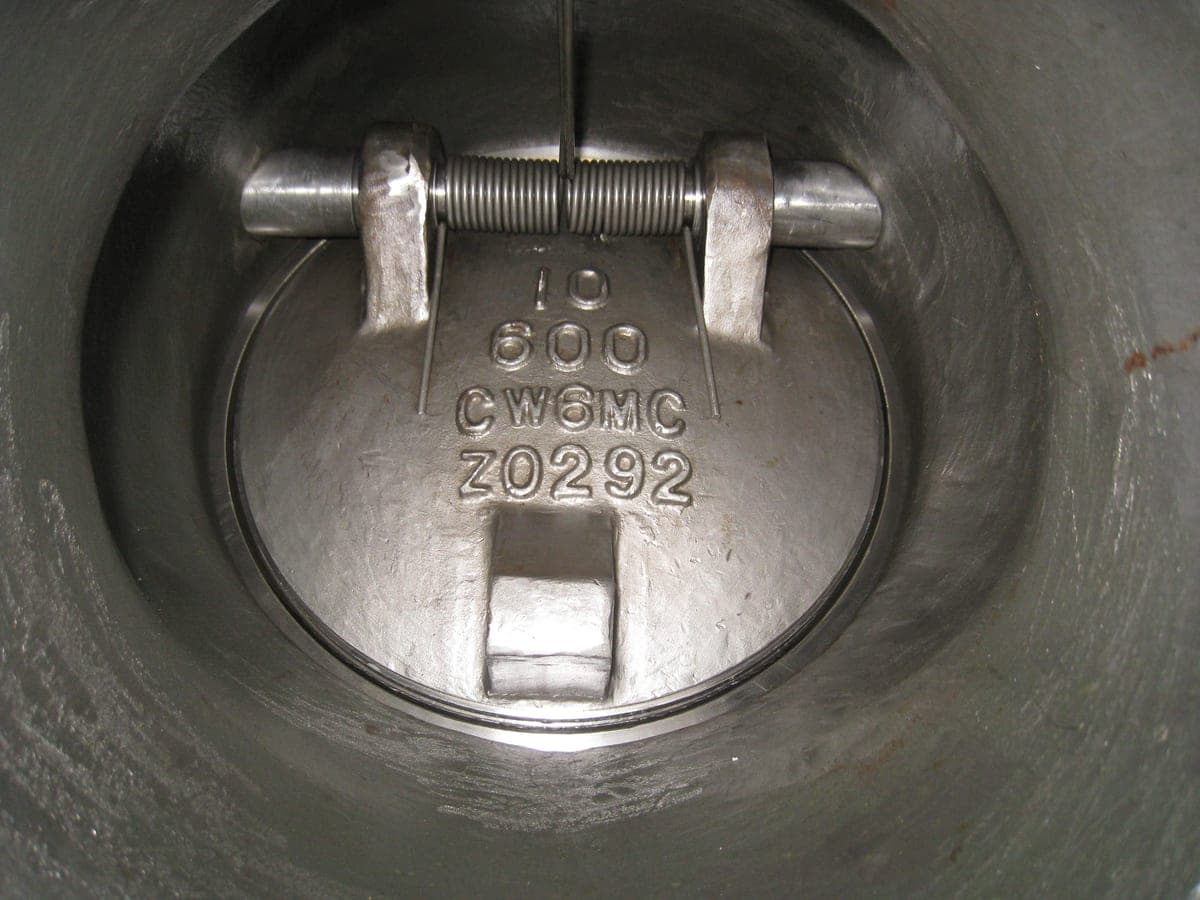
A check valve and fittings on a sump pump discharge pipe

In this section

What is actually in the pit, and what each piece does

A sump system is six components. Knowing which one you are looking at makes every troubleshooting guide on the internet twice as useful.

PartJobUsual failureTypical life
Basin (pit)Collects groundwater from the drain tileCracks, or is simply too smallDecades
PumpLifts water out of the pitMotor or impeller, usually last7-10 years
Float switchTells the pump when to runSticks, tangles, or wears out2-7 years
Check valveStops lifted water falling backFlapper wears, valve chatters3-7 years
Discharge lineCarries water away from the houseClogs, freezes, or discharges too closeDecades
LidSeals the pit against humidity, radon and debrisWarps, or was never sealedDecades
The sump system, part by part
Sump pump discharge plumbing with a check valve and unions
Unions either side of the check valve turn a 40-minute job into a 10-minute one.

Buy the check valve with unions

A check valve installed with slip couplings has to be cut out. A check valve installed with union fittings or rubber couplings can be swapped in minutes with a screwdriver, and you will swap it more than once over the life of the pump. If you are replacing one anyway, spend the extra few dollars on the serviceable version. A spring-loaded silent check valve also removes the hydraulic slam you hear through the floor every time the pump stops.

Switch choice is a clearance problem

A tethered float needs lateral swing room and gives a long cycle, which is gentle on the motor but needs a wide pit. A vertical float needs very little width and gives a short cycle. A solid-state switch has no moving part, fits anywhere, and costs more. Measure the pit before you choose — this is the one part decision that a narrow basin makes for you.

The lid matters more than it looks

An open pit is an open evaporation surface, which is a measurable share of a damp basement's humidity load. If your house has a radon mitigation system, or you are considering one, the pit must be sealed properly with a gasketed cover and sealed pipe penetrations, because an unsealed pit is a direct path from the soil into the house.

What to keep on the shelf

  • A spare float switch matched to your pit type — the part that strands people most often.
  • A spare check valve, because replacing one preventatively costs less than one emergency call.
  • A length of discharge hose and a hose clamp for the day the outside line freezes.
  • A battery-powered water alarm, so the next failure announces itself at 2am instead of at breakfast.

Questions people ask

Why does my pump run for a few seconds, stop, then run again straight away?

That is classic check-valve failure. Water lifted up the pipe falls back into the pit when the pump stops, refills it above the switch-on level, and the pump restarts. Replacing the check valve fixes it, and it costs a fraction of the pump it is wearing out.

What size should the sump pit be?

An 18-inch-diameter by 22-inch-deep basin is the usual practical minimum. Narrower pits force short cycling and restrict float choice; deeper pits let the pump run longer and less often, which is easier on the motor.

Does a sealed lid cause problems for the pump?

No, provided the lid has a grommeted penetration for the discharge pipe and the power cord, and a vent if the system requires one. A sealed lid reduces basement humidity, keeps debris out of the pit, and is required for radon mitigation.

Can I replace a float switch without replacing the pump?

In most cases yes. Piggyback switches plug in between the pump and the outlet, so the pump itself is untouched. Some pumps have an integral switch that is not user-serviceable, in which case a piggyback external switch is still usually an option.