DRYLOK review
The best-known name in basement waterproofing paint, and the one most often blamed for peeling. Both facts have the same explanation.
We earn a commission if you buy through our Amazon links, at no cost to you. We do not bench-test these products and we never take free product — how we pick · affiliate disclosure

Buy DRYLOK Extreme, not Original, and apply it at the specified thickness onto bare masonry. Extreme is tested to 15 PSI of hydrostatic resistance under ASTM D-7088 and carries a 15-year transferable warranty; Original is not rated for standing pressure. Almost every account of DRYLOK peeling traces to one of three things: the wrong product, a coat too thin, or a surface that was painted before.
DRYLOK is made by UGL and is the most recognised name in negative-side basement waterproofing, which means it collects both the credit and the blame for a whole category. This review sticks to what the manufacturer publishes, and is clear about where a coating is the wrong tool entirely.
The DRYLOK range, in one table
| Extreme Masonry Waterproofer | Original Masonry Waterproofer | Fast Plug | Concrete Floor Paint | |
|---|---|---|---|---|
| Job | Walls under hydrostatic pressure | Damp walls without pressure | Plugging active leaks | Slabs, foot traffic |
| Hydrostatic rating | 15 PSI (ASTM D-7088) | Not rated for standing pressure | n/a | n/a |
| Coverage | 75 sq ft/gal first coat | Not published | 16 cu in per lb | Not published |
| Film build | 13-21 mils wet per coat; 17 mils dry over two coats | Not published | n/a | Not published |
| Set or cure note | Two coats, brush the first | Two coats | Sets in 3-5 minutes, cures under water | Needs a dry, etched slab |
| Warranty | 15 years, transferable | Not published | n/a | Not published |
Quick picks
| # | Product | Best for | Score | Price |
|---|---|---|---|---|
| 1 |  DRYLOK Extreme Masonry Waterproofer15 PSI of tested hydrostatic resistance and a 15-year transferable warranty — the only DRYLOK worth using on a wall that actually gets wet. | The one to buy | 8.9 | Check price on Amazon #ad we earn a commission · Amazon shows the current price |
| 2 |  DRYLOK Original Masonry WaterprooferThe lower-spec sibling. Fine on a wall that is damp and musty, wrong on a wall that weeps. | Damp walls without pressure | 7.1 | Check price on Amazon #ad we earn a commission · Amazon shows the current price |
| 3 | 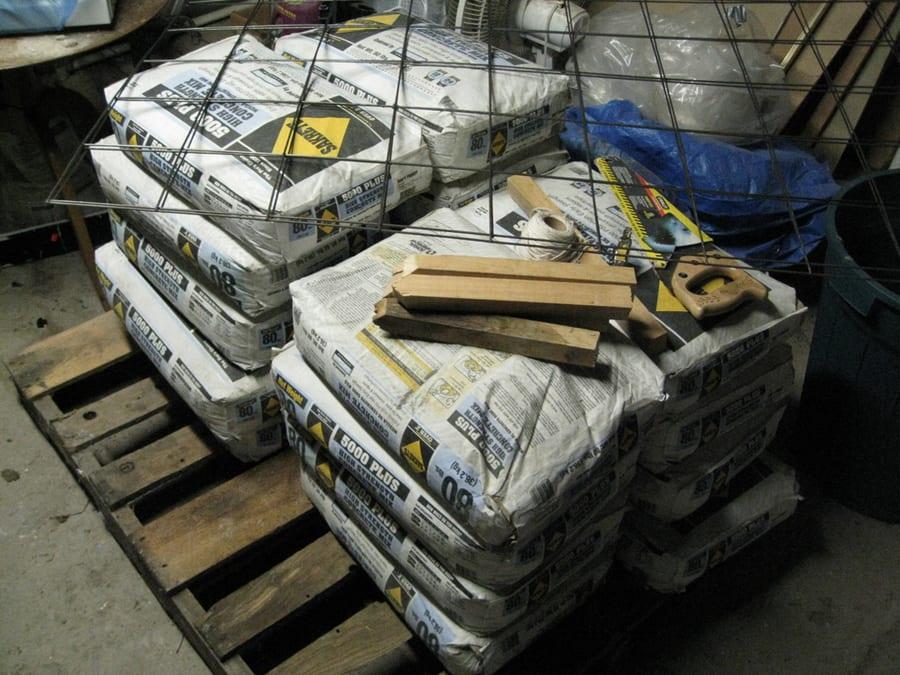 DRYLOK Fast Plug hydraulic cementHydraulic cement that sets in three to five minutes and cures under running water — the step most people skip. | Stopping the leak before you paint | 8.6 | Check price on Amazon #ad we earn a commission · Amazon shows the current price |
| 4 | 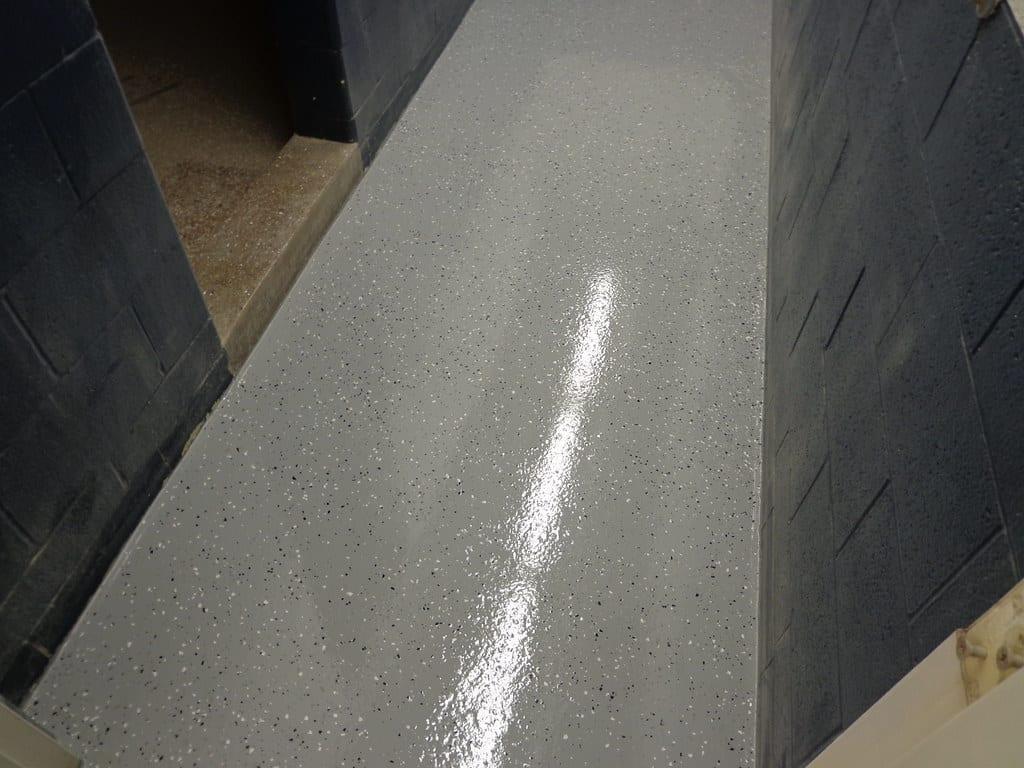 DRYLOK concrete floor paintA latex floor paint for concrete. A different product with a different job, and often bought by mistake. | The slab, not the walls | 7.4 | Check price on Amazon #ad we earn a commission · Amazon shows the current price |
Scores are ours and editorial, not lab measurements — see how we pick. Tap a row for the full write-up.
What a 15 PSI rating does and does not promise
ASTM D-7088 pushes water against a coated masonry panel at a measured pressure and looks for passage through the film. A 15 PSI result means the dry film itself resists that pressure. What it does not mean is that your wall will stay dry at 15 PSI, because a wall is not a test panel: it has a cove joint at the floor, tie-rod holes, mortar lines of varying quality and sometimes a crack. Water finds the weakest route, and the coating only controls the routes it covers.
This is why a coating is the last step of a sequence rather than the whole job. Water arriving at the foundation is a grading and gutter problem; water already inside the masonry is a drainage problem; water at the wall face is the part a coating addresses.
DRYLOK Extreme Masonry Waterproofer
15 PSI of tested hydrostatic resistance and a 15-year transferable warranty — the only DRYLOK worth using on a wall that actually gets wet.
#ad we earn a commission · Amazon shows the current price
| Type | Latex masonry waterproofer for interior and exterior masonry |
|---|---|
| Hydrostatic resistance | 15 PSI, tested to ASTM D-7088 |
| Coverage | 75 sq ft/gal first coat, 75 to 100 sq ft/gal second coat |
| Film build | 13 to 21 mils wet per coat; 17 mils dry minimum over two coats |
| Mildew | Biocide in the film to resist mildew growth on the dry paint |
| Shelf life | 5 years unopened |
| Warranty | 15 years, fully transferable, per UGL |
The number that matters on this product is 15 PSI, tested to ASTM D-7088. That is a standardised hydrostatic pressure test, and 15 PSI corresponds to a substantial head of water pushing against the wall. It is the reason Extreme and Original are different products rather than different prices.
The second number that matters is the film build: 13 to 21 mils wet per coat, and a 17 mil dry minimum over two coats. Most people who report DRYLOK failing have applied it like paint — thin, rolled fast, one coat. At that thickness it is a white surface, not a waterproofing membrane, and water finds the pinholes.
Applied as specified, onto bare masonry, brushed into the pores on the first coat and recoated, it is a genuinely effective negative-side coating. The honest limitation is structural, not chemical: it holds water back at the wall surface, and it cannot hold back water arriving faster than the surface can resist. That is a drainage problem.
What it gets right
- 15 PSI hydrostatic resistance, tested to ASTM D-7088 — a published, repeatable figure
- 17 mils dry minimum over two coats, which is a real film rather than a colour change
- Biocide in the film resists mildew growth on the dry paint
- 15-year fully transferable warranty per UGL
Where it falls short
- Coverage is only 75 sq ft per gallon on the first coat, so you need far more paint than a normal wall paint suggests
- Must go onto bare, clean masonry — it will not bond through old paint
Specifications from DRYLOK Extreme product data sheet, DRYLOK Extreme product page.
DRYLOK Original Masonry Waterproofer
The lower-spec sibling. Fine on a wall that is damp and musty, wrong on a wall that weeps.
#ad we earn a commission · Amazon shows the current price
| Type | Latex masonry waterproofer, the lower-spec sibling of Extreme |
|---|---|
| Use | Damp walls without standing hydrostatic pressure |
Original exists for the wall that smells like a basement rather than the wall that leaks like one. If the masonry is cool and slightly damp but water never appears, Original will brighten it, reduce the vapour coming through and cost less.
The mistake we see constantly is buying Original to save money on a wall that needs Extreme, then concluding that DRYLOK does not work. The product was asked to do a job it is not rated for.
What it gets right
- Cheaper per gallon than Extreme
- Easier to work with, and adequate on a dry-but-musty wall
- Same preparation rules, so the skills transfer
Where it falls short
- Not rated for standing hydrostatic pressure the way Extreme is
- Being the cheaper option tempts people to use it where Extreme is required
Specifications from DRYLOK product range.
DRYLOK Fast Plug hydraulic cement
Hydraulic cement that sets in three to five minutes and cures under running water — the step most people skip.
#ad we earn a commission · Amazon shows the current price
| Type | Quick-setting hydraulic cement |
|---|---|
| Set time | 3 to 5 minutes |
| Works under water | Patches holes where water is actively flowing through them |
| Composition | Sand and cement, 100% solids |
| Coverage | 16 cu in per lb |
No coating bridges an active leak. If water is coming through a tie-rod hole, a pipe penetration or a gap at the cove joint, that gets plugged with hydraulic cement first and painted second. Fast Plug sets in three to five minutes and will cure with water running over it, which is exactly the condition that defeats ordinary mortar.
Mix no more than you can place in two minutes. Everyone's first batch goes off in the bucket; plan for it.
What it gets right
- Sets in 3 to 5 minutes and works on a hole with water actively flowing through it
- 100% solids, sand and cement — nothing to shrink back
- 16 cu in of coverage per pound, so a small tub goes a long way
Where it falls short
- Three to five minutes is a genuinely short working time; mix in very small batches
- Not a structural repair for a moving crack
Specifications from DRYLOK Fast Plug product data.
DRYLOK concrete floor paint
A latex floor paint for concrete. A different product with a different job, and often bought by mistake.
#ad we earn a commission · Amazon shows the current price
| Type | Latex floor paint for interior and exterior concrete |
|---|---|
| Use | Basement and garage slabs, after the slab is dry and etched |
This is on the page because the names get confused in the aisle. Masonry waterproofer is for walls and is not rated for traffic; floor paint is for slabs and is not rated for hydrostatic pressure. Using either in the other's place is the single most common DRYLOK failure we hear about.
If the slab is the project, the preparation matters more than the paint. See how to paint a basement floor for the moisture test to run first.
What it gets right
- Made for foot traffic, which masonry waterproofer is not
- Straightforward to roll once the slab is etched
- Transforms how a basement reads without touching the walls
Where it falls short
- It is floor paint, not a waterproofer — it will not hold back hydrostatic pressure through a slab
- Needs a genuinely dry, etched slab or it lifts
Specifications from DRYLOK product range.
The four ways DRYLOK gets blamed unfairly
- Applied over old paint. The bond is only as good as whatever is underneath. On a previously painted wall the coating holds, the old paint lets go, and both come off together.
- Applied too thin. One rolled coat is nowhere near the 17 mils dry the data sheet specifies. The first coat should be brushed, worked into the pores, and followed by a second.
- Applied to the wrong problem. A wall with a running crack needs hydraulic cement and possibly crack injection first. Paint over a leak and the leak wins.
- Expected to fix a drainage failure. If the perimeter drain is blocked or absent, hydrostatic pressure will keep rising until it finds a way through. See interior versus exterior waterproofing.
How much you actually need
At 75 sq ft per gallon on the first coat, a basement with 600 square feet of wall needs roughly eight gallons for the first coat and six to eight for the second. That is the detail that surprises people at the register, and it is why buying by the five-gallon pail is normal for this product rather than extravagant.
If you would rather buy something else
DRYLOK is not the only documented option in this aisle. Zinsser WaterTite LX publishes 20 PSI of hydrostatic resistance against the same ASTM D-7088 test, KILZ Basement & Masonry Waterproofer is the cheaper like-for-like swap, and RadonSeal is a penetrating sealer with no film to peel at all. The three are compared against the DRYLOK figures above, coat for coat and PSI for PSI, in DRYLOK alternatives.
Questions people ask
Does DRYLOK actually work?
Yes, within its limits. DRYLOK Extreme is tested to 15 PSI of hydrostatic resistance under ASTM D-7088 and works as a negative-side coating on bare masonry at the specified 17 mils dry film. It does not fix a blocked perimeter drain, a running crack, or a wall that was painted before.
What is the difference between DRYLOK and DRYLOK Extreme?
Extreme is rated for hydrostatic pressure (15 PSI, ASTM D-7088), builds a thicker film and carries a 15-year transferable warranty. Original is for damp walls without standing pressure. If you have ever seen liquid water on the wall, buy Extreme.
Why is my DRYLOK peeling?
Almost always one of three causes: it was applied over existing paint, it was applied too thin to reach the specified film build, or moisture is pushing through the wall faster than a surface coating can resist. The first two are preparation; the third is a drainage problem a coating cannot solve.
Can you put DRYLOK on a basement floor?
Not the masonry waterproofer — it is not rated for foot traffic. DRYLOK sells a concrete floor paint for slabs, and that only works on a slab that is genuinely dry and etched first.
How many coats of DRYLOK do you need?
Two, and the first should be brushed rather than rolled so it is worked into the pores of the masonry. The data sheet specifies 13 to 21 mils wet per coat for a 17 mil dry minimum across the two.
Sources
Read next
DRYLOK alternatives for a damp basement wall
DRYLOK is the name on the shelf, and it publishes its numbers. Two competitors publish theirs too, and one of them resists more pressure. Here is the honest comparison.
The best basement waterproofing paint
These products work on exactly one problem. Used on the right wall they are excellent; used on the wrong one they peel off within a year.
The best basement waterproofing sealers
Sealers are judged almost entirely on preparation. The same product is excellent on a clean bare wall and useless on a painted one.
The best hydraulic cement for a leak you need to stop now
The only product in this aisle you can use while water is actively coming through the wall. Every basement should own a tub.
How to paint a basement floor
Nearly every peeling basement floor failed at step one. Twenty minutes with a sheet of plastic decides whether the project is worth starting.
Interior vs exterior basement waterproofing
One manages water that has reached the wall. The other stops it arriving. They solve different problems and the sales pitch rarely says so.