How to paint a basement floor
Nearly every peeling basement floor failed at step one. Twenty minutes with a sheet of plastic decides whether the project is worth starting.
Before you buy any paint, tape a square of clear plastic sheet tightly to the slab and leave it for 24 hours. Condensation underneath means moisture is moving up through the concrete, and no floor coating will stay stuck to it — that is the single test that decides whether this project will succeed. If the plastic comes up dry, the job is: clean, repair, etch, prime if specified, then two thin coats of a concrete floor paint with full cure time between them.
Painted basement floors fail for three reasons, in this order: moisture coming through the slab, a surface that was never etched, and coats applied too thick or too soon. The sequence below addresses all three.
Step zero: the moisture test
Cut a one-foot square of clear polythene, tape all four edges down tightly with duct tape, and leave it for a full day. Do this in two or three places, including the lowest point of the floor and somewhere near an outside wall.
- Dry underneath: the slab is sound enough to coat. Proceed.
- Condensation underneath, slab looks damp: vapour is moving through the concrete. Painting now buys you a peeling floor in a year. Deal with the source — grading, gutters and drainage — and read how to waterproof a basement.
- Standing water or a visible wet patch: this is liquid water, not vapour. Find the entry point first; is water in the basement bad covers what each sign means.
- White powdery deposit on the slab: efflorescence — mineral salts left behind by water moving through the concrete. The water has been there, whatever the plastic says today.
- Clear the floor and dry it outEverything off the slab, including shelving legs and anything that has been in one place for years. Run a dehumidifier for a few days beforehand if the basement is at all humid — you want the concrete at its driest, not just the air.
- Run the plastic-sheet moisture testTwenty-four hours, two or three locations, taped tight on all four edges. If any of them show condensation, stop here and deal with the moisture. This is the step that is always skipped and always the cause.
- Strip anything already on the slabOld paint, sealer, adhesive residue and curing compound all have to go, because the new coating bonds to whatever is on top rather than to the concrete. A floor grinder or a chemical stripper, then a thorough vacuum.
- Repair holes and the cove jointFill spalled patches, old anchor holes and the joint where the slab meets the wall with hydraulic cement. Where water is actively seeping, use a water-stop cement that will cure wet. Let repairs cure fully before coating over them.
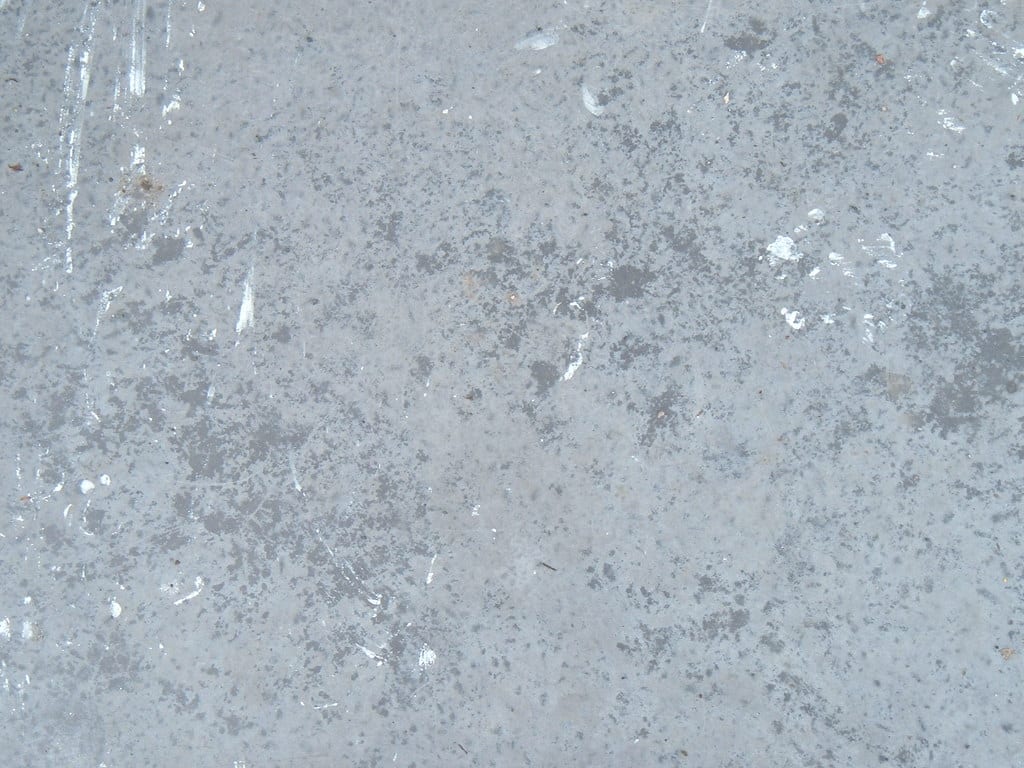
- Degrease, then etchDegrease any oil stains first — paint will not stick to them and they will telegraph through. Then etch the whole slab with a masonry etching product or muriatic acid per its instructions, which opens the concrete's pores so the coating can key in. The target is a surface with the texture of medium sandpaper.
- Rinse, vacuum and let it dry completelyRinse the etch away thoroughly, wet-vacuum the residue, and then wait. A slab that looks dry on the surface can still be holding rinse water in its pores; give it at least 24 hours, longer if the basement is cool.
- Apply the first thin coatCut in the edges with a brush, then roll the field with a long nap roller in one direction. Thin is the instruction that matters: a thick coat skins over, traps solvent or water underneath and lifts later. Follow the can for coverage per gallon rather than judging by eye.
- Wait the full recoat time, then apply the second coatRecoat times on the can are minimums, and a cool basement is slower than the label assumes. Roll the second coat at right angles to the first for even coverage.
- Cure before you load itLight foot traffic usually comes well before full cure; furniture, shelving and anything with a point load come last. Putting a freezer back on a floor that is dry to the touch but not cured is how a brand-new coating gets a permanent mark.
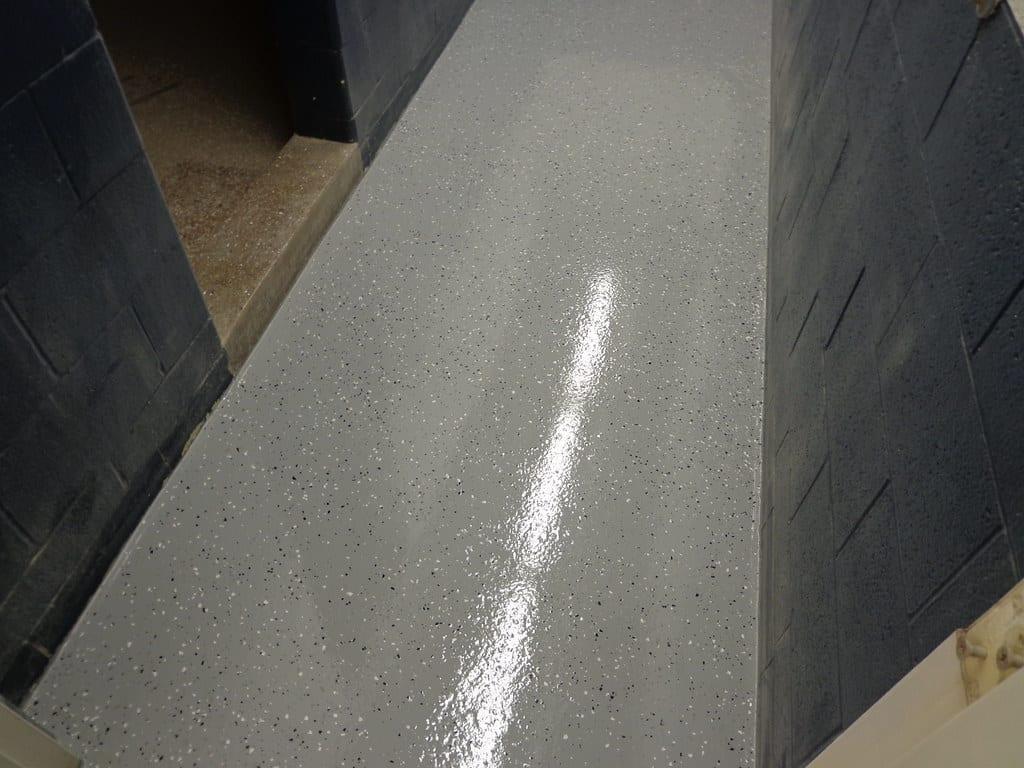
DRYLOK concrete floor paint
A latex floor paint made for interior and exterior concrete, which is the right category for a basement slab.
#ad we earn a commission · Amazon shows the current price
| Type | Latex floor paint for interior and exterior concrete |
|---|---|
| Use | Basement and garage slabs, after the slab is dry and etched |
The important distinction in the aisle is that masonry waterproofer is for walls and is not rated for traffic, while floor paint is for slabs and is not rated to resist hydrostatic pressure. Using one in the other's place is the most common reason these projects fail.
Treat the paint as the easy part. The slab preparation decides the outcome, and no product on the shelf compensates for skipping it.
What it gets right
- Formulated for foot traffic on concrete, unlike masonry waterproofer
- Rolls on straightforwardly once the slab is etched
- Transforms how a basement reads for very little money
Where it falls short
- Not a waterproofer — it will not hold back moisture pushing up through the slab
- Needs a dry, etched surface or it lifts
Specifications from DRYLOK product range.
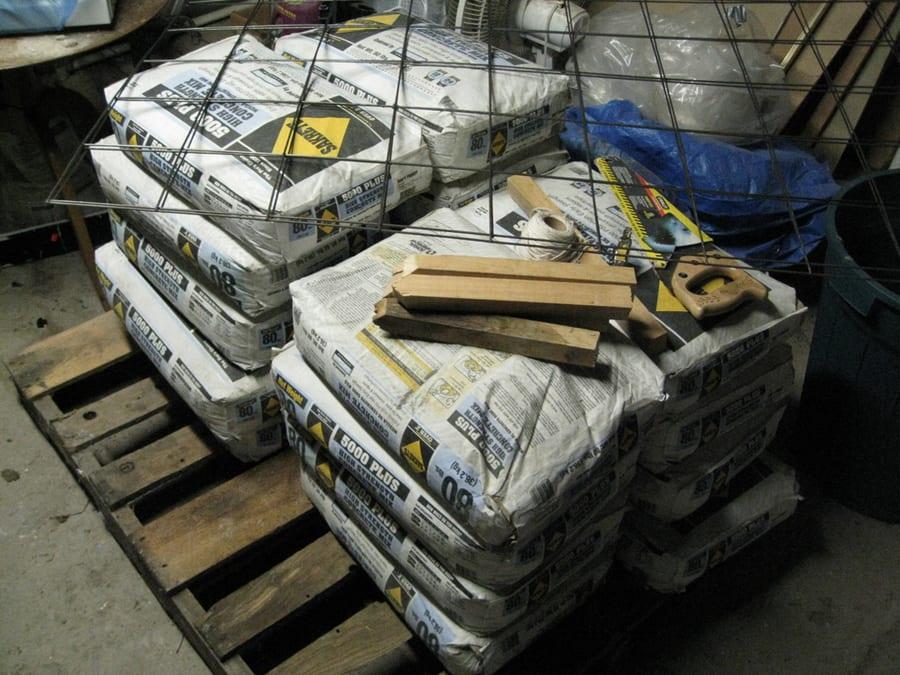
DRYLOK Fast Plug hydraulic cement
Hydraulic cement that sets in three to five minutes and cures under running water.
#ad we earn a commission · Amazon shows the current price
| Type | Quick-setting hydraulic cement |
|---|---|
| Set time | 3 to 5 minutes |
| Works under water | Patches holes where water is actively flowing through them |
| Composition | Sand and cement, 100% solids |
| Coverage | 16 cu in per lb |
Paint does not bridge a gap. Holes, the joint where the slab meets the wall, and any spot where water has come through get filled before anything else happens, and hydraulic cement is the material that will do it on a damp surface.
What it gets right
- Sets in 3 to 5 minutes and works where water is actively flowing
- 100% solids, so nothing shrinks back out of the repair
- 16 cu in of coverage per pound
Where it falls short
- A genuinely short working time — mix tiny batches
- Not a repair for a crack that is still moving
Specifications from DRYLOK Fast Plug product data.
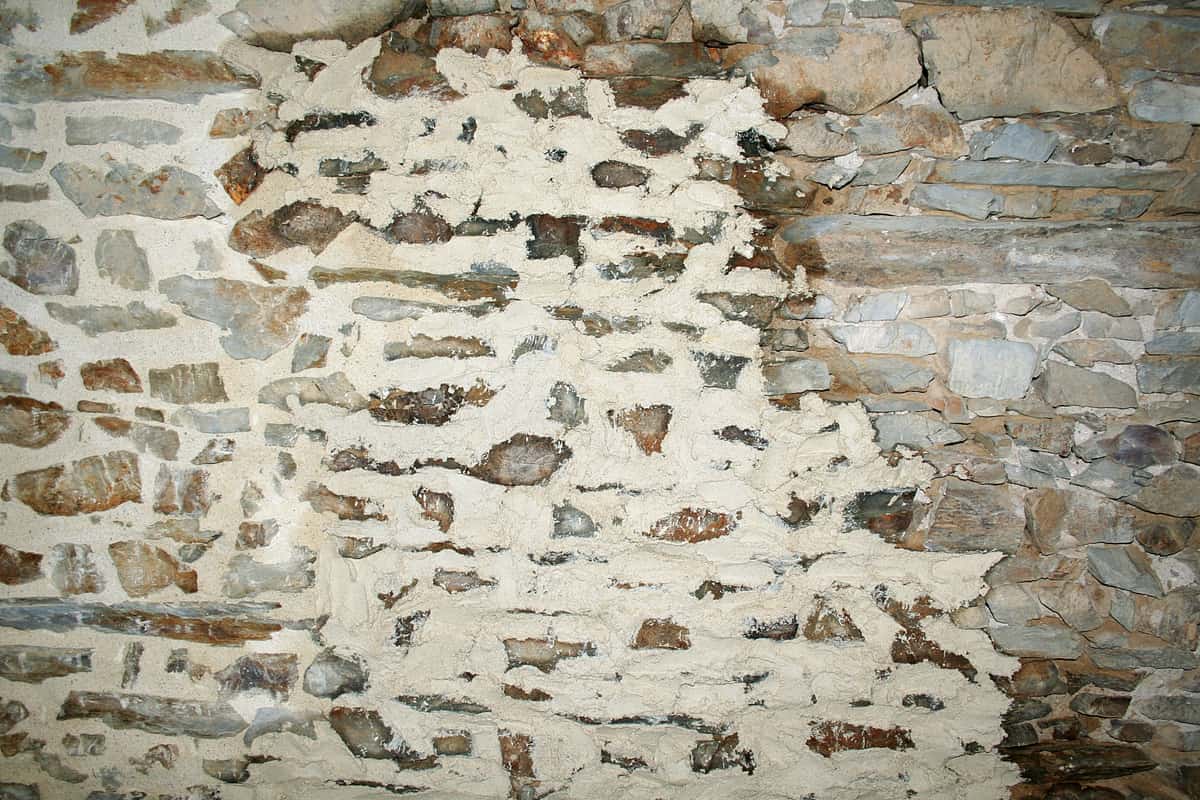
Quikrete Hydraulic Water-Stop Cement
A fast-setting hydraulic cement for a spot that is weeping while you work on it.
#ad we earn a commission · Amazon shows the current price
| Type | Fast-setting hydraulic cement for active leaks |
|---|---|
| Set time | Very fast; mix only what you can place immediately |
Keep a small tub on the bench for the leak you discover halfway through the prep. Water-stop cement is the one material that will hold on a surface you cannot get dry.
What it gets right
- Sets very fast, which is the point
- Widely stocked
- Works on a surface that will not dry
Where it falls short
- Mix only what you can place immediately
- Cosmetically obvious unless you work neatly
Specifications from Amazon listing (search).
Paint, epoxy or stain?
| Latex floor paint | Two-part epoxy | Concrete stain | |
|---|---|---|---|
| Preparation needed | Clean and etch | Clean, etch, and strictly dry | Clean and etch |
| Tolerance of slab moisture | Low | Lowest — epoxy is unforgiving | Highest, because it penetrates |
| Durability | Moderate | Highest | Moderate, but wears gracefully |
| Recoat later | Easy | Harder | Easy |
| Best for | Most basements | A dry slab that takes real traffic | A slab with any moisture history |
For a basement that has ever been damp, a penetrating stain or a latex floor paint is the safer choice than epoxy. Epoxy is the most durable finish and the least tolerant of moisture, which is a bad combination below grade. If the floor is being painted because the room is becoming living space, address the walls at the same time — the best basement waterproofing paint and our DRYLOK review cover that side.
Questions people ask
Can you paint a basement floor that gets damp?
Not successfully. Run the plastic-sheet test first: tape a square of clear polythene to the slab for 24 hours, and if condensation forms underneath, moisture is moving through the concrete and any coating will peel. Deal with the drainage before painting.
Do you have to etch a concrete basement floor before painting?
Yes. Troweled concrete is too smooth for a coating to key into, and etching opens the pores so it can. The target texture is roughly that of medium sandpaper, and skipping this step is the second most common cause of peeling.
What kind of paint do you use on a basement floor?
A coating made for concrete floors — a latex concrete floor paint for most basements, a two-part epoxy only on a reliably dry slab that takes real traffic, or a penetrating stain where there is any moisture history. Masonry waterproofer is for walls and is not rated for foot traffic.
How many coats does a basement floor need?
Two thin coats, with the manufacturer's full recoat interval between them and the second rolled at right angles to the first. One thick coat looks faster and fails sooner.
How long before you can put furniture back?
Light foot traffic is usually allowed well before full cure, but point loads such as shelving legs or an appliance should wait for the full cure time on the can — longer in a cool basement, where everything takes more time than the label assumes.
Sources
Read next

DRYLOK review
The best-known name in basement waterproofing paint, and the one most often blamed for peeling. Both facts have the same explanation.

The best basement waterproofing paint
These products work on exactly one problem. Used on the right wall they are excellent; used on the wrong one they peel off within a year.
The best basement waterproofing sealers
Sealers are judged almost entirely on preparation. The same product is excellent on a clean bare wall and useless on a painted one.
How to waterproof a basement
Start outside. A startling share of wet basements are fixed with a ladder and an afternoon, and no product at all.
How to seal basement wall cracks
Surface patching a crack is a decorative exercise. Water pressure gets behind it within a season. Injection is the repair.