Sump pump not working: find out why before you replace it
Most dead pumps are not dead. They are unplugged, switched off by a stuck float, or sitting behind a tripped GFCI.
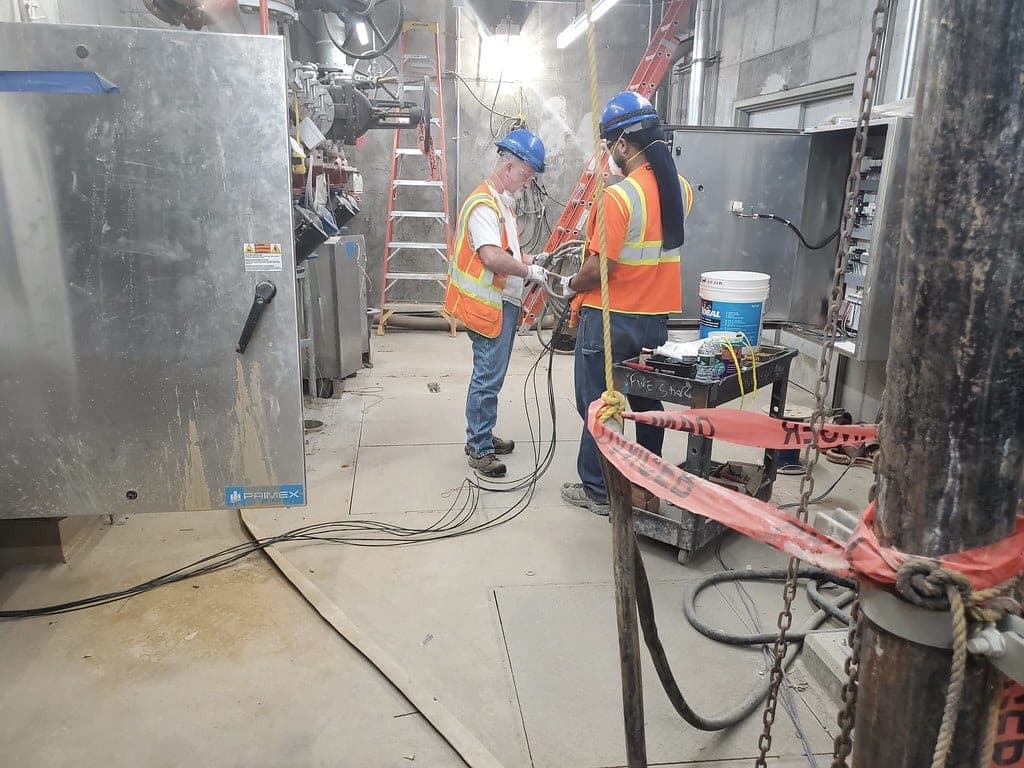
Work through it in this order
- Check the outlet has powerPlug a lamp or a phone charger into it. A tripped GFCI is a genuinely common cause of a dead sump pump and takes five seconds to rule in or out.
- Check the breakerLook for a tripped breaker in the panel. If it trips again immediately after resetting, stop — see sump pump tripping breaker.
- Check the plug itselfPiggyback switches are notorious for working loose. Make sure the pump is firmly seated in the switch plug and the switch in the outlet.
- Bypass the switchUnplug the piggyback assembly and plug the pump directly into the outlet. If the pump runs, the motor is fine and the switch has failed.
- Listen when it should startA hum with no water movement means the motor is energized but the impeller is not turning: a jam, debris, or a failed capacitor.
- Pull the pump and lookUnplug it, lift it out, and inspect the intake and impeller. Gravel and small stones are the usual culprits.
What each symptom points to
| What happens | Most likely cause |
|---|---|
| Nothing at all, no sound | No power: GFCI, breaker, or a loose plug |
| Runs when plugged in directly, not otherwise | Float switch has failed |
| Hums but does not pump | Jammed impeller or a failed start capacitor |
| Runs but moves no water | Blocked intake, airlock, or a blocked discharge |
| Runs, trips the breaker | Electrical fault — stop and get an electrician |
| Runs normally, water still rising | Inflow exceeds capacity, or the discharge is blocked |
Basement Watchdog BWC1 dual float switch
A piggyback dual float switch, which is the most common fix and needs no work on the pump.

#ad we earn a commission · Amazon shows the current price
| Type | Piggyback dual float switch with a controller |
|---|---|
| Redundancy | Two floats, so one stuck float does not stop the pump |
| Trigger | Activates when water raises the float about 1/3" |
| Run-on | Controller runs the pump about 10 extra seconds after the float drops |
The piggyback test settles this quickly. Plug the pump straight into the outlet: if it runs, the pump is fine and the switch is the fault.
What it gets right
- Plugs in between pump and outlet
- Two floats for redundancy
- Cheap relative to a pump
Where it falls short
- Needs pit width
- Mechanical wear item
Specifications from Basement Watchdog BWC1 switch listing.
Zoeller M53 Mighty-Mate
If the pump will not run plugged in directly, this is the straightforward replacement.

#ad we earn a commission · Amazon shows the current price
| Type | Submersible, cast iron |
|---|---|
| Horsepower | 3/10 HP (sold as 1/3 HP) |
| Electrical | 115 V, 9.7 A, 60 Hz |
| Discharge | 1-1/2" NPT vertical female |
| Switch | Integral vertical float, on at 7-1/4", off at 3" |
| Solids handling | 1/2" |
| Shut-off head | 19.25 ft |
| Flow, by lift | 2,580 GPH at 0 ft · 2,040 GPH at 10 ft |
| Warranty | Three years |
Replace the check valve at the same time. It is as old as the pump that just failed, and a tired valve makes a brand-new pump look faulty.
What it gets right
- Cast iron
- Published flow data
- Available everywhere, including on a Sunday
Where it falls short
- Heavy
- Needs pit width
Specifications from Zoeller M53 (53-0001) specification sheet.
The airlock case
A pump that runs normally but moves no water, with a clear intake and a clear discharge, may be airlocked — air trapped at the top of the pump that the impeller cannot push out. Most pumps have a small weep hole in the discharge pipe just above the pump to prevent this. If yours does not, or it has blocked with silt, that is the fix.
Once the pump is working again, do the quarterly test properly from now on: see how to test a sump pump.
Questions people ask
Why is my sump pump not turning on?
In order of likelihood: no power at the outlet, a tripped GFCI, a stuck or failed float switch, or a seized motor. The piggyback bypass test separates the switch from the pump in under a minute.
My sump pump hums but does not pump. What does that mean?
The motor is getting power but not turning, which usually means a jammed impeller or a failed start capacitor. Unplug it, lift it out, and check the impeller for debris.
Can I reset a sump pump?
There is no reset button on most residential pumps. Unplugging it for a minute lets a tripped thermal cutout cool and reset, which can bring an overheated pump back.
Should I replace or repair?
Switches and check valves are worth replacing on their own. A failed motor on a pump over about seven years old is usually a replacement rather than a repair.
Sources
Read next

Sump pump float switch not working
If a pump has stopped doing its job, the switch is more likely to blame than the motor — and it is a fraction of the price.

Sump pump tripping the breaker or GFCI
A breaker trip and a GFCI trip mean different things. One is usually load; the other is usually moisture. Neither should be reset repeatedly.

Sump pump clogged: finding the blockage
Three places block, and they need three different responses. Working out which one costs nothing but a few minutes.

How to test a sump pump
Five minutes, four times a year. The half of the test most people skip is confirming that the pump stops.
The best sump pumps, ranked by what they move at real lift
Five pumps that cover almost every residential pit, compared on the number that matters: how much water they move at the height your basement actually needs.