Sump pit vs sump pump
Two words for two different things, used interchangeably by almost everyone selling them. The difference decides what you actually need to buy.

The sump pit is the hole in the floor; the sump pump is the machine inside it that moves the water out. They are not alternatives — a working system needs both. The third word in the conversation is the basin (or liner), which is the moulded plastic tub that lines the pit and gives the pump something to sit in. If you are trying to work out what to buy, the question is almost always which of the three has failed.
The vocabulary is genuinely confusing because retailers use all three words loosely, so here is the plain version.
The three parts, plainly
| Part | What it is | Its job | If it fails |
|---|---|---|---|
| Pit | The excavated hole in the slab, usually at the low point of the floor | Collects groundwater arriving through the drain tile or the soil | Rare — but a collapsed or silted pit stops water reaching the pump |
| Basin / liner | The moulded plastic tub inside the pit | Holds the pump clear of soil and silt, carries the cover and sets the working volume | Cracks let soil in; too small a basin causes constant cycling |
| Pump | The electric pump inside the basin | Lifts the water up the discharge pipe and out of the house | The basement floods — this is the part that fails |
| Cover | A bolt-down lid with grommets | Seals the pit against humidity, odour, radon and debris | Humidity, smell and a hazard, rather than a flood |
Which one do you need to buy?
- Nothing happens when the pit fills. The pump, or its switch. Start with sump pump not working — a stuck float is far more common than a dead motor.
- The pump runs constantly in short bursts. The basin is too small, or the switch is badly set. Check the level first in how high should the water be in a sump pit.
- You have water but no pit at all. That is a new installation, and it starts with where the water collects — see do I need a sump pump.
- The pit smells, or the basement is humid. The cover. This is the cheapest fix on the list and the most overlooked.
- Soil and gravel keep appearing in the basin. The liner is cracked, or there is no liner — the pump is sitting in bare earth and ingesting grit.
Why basin size matters more than people expect
The basin does not reduce how much water arrives. What it changes is how often the pump starts, and starts are the main wear mechanism in a sump pump. The number of cycles is the inflow divided by the volume between the switch's on and off points, so a 20 gallon basin roughly halves the cycle count of a 10 gallon one for exactly the same groundwater. That is why a wider pit extends pump life without pumping a drop less water. The sizing arithmetic is in what size sump pit.
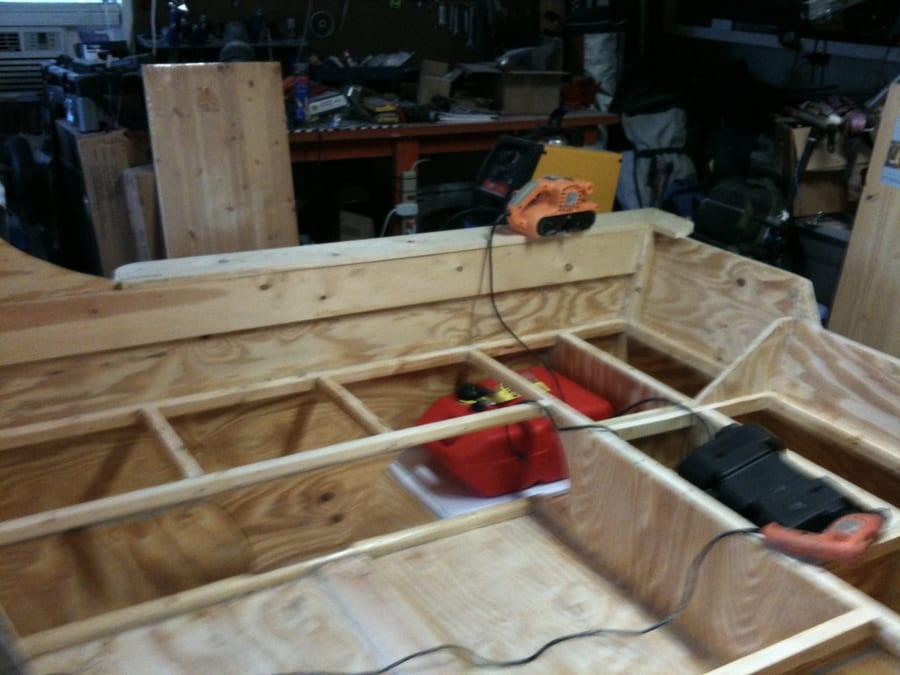
Jackel SF20 sump basin (18 x 22 in)
A one-piece 18 by 22 inch structural-foam basin holding 20 gallons, with a pre-drilled rim for a sealed cover.
#ad we earn a commission · Amazon shows the current price
| Size | 18 in diameter x 22 in deep |
|---|---|
| Capacity | 20 gallons |
| Material | Injection-molded structural foam polyethylene, one piece |
| Rim | Pre-drilled holes with metal inserts to accept a cover |
| Sealing | Gas and radon tight when fitted with a sealed cover |
| Weight | 11 lb |
This is the part people mean when they say 'pit' in a buying context: a moulded basin that lines the hole, holds the pump, accepts the discharge and takes a bolted lid. Buying a bigger one is the only way to reduce cycling without reducing the water.
The pre-drilled rim matters more than it sounds. A cover that bolts to inserts seals; a sheet of plywood laid on top does not, and an open pit is a humidity source, a radon path and a hazard with children in the house.
What it gets right
- 20 gallons, against 10 to 15 for a standard basin
- One-piece injection-moulded structural foam polyethylene
- Pre-drilled rim holes with metal inserts, so a cover bolts down properly
- Gas and radon tight when fitted with a sealed cover
Where it falls short
- Fitting it means breaking out and re-pouring concrete
- Bulky to carry down basement stairs at 11 lb
Specifications from 18 x 22 in radon sump basin distributor listing.
Jackel sealed sump pit cover
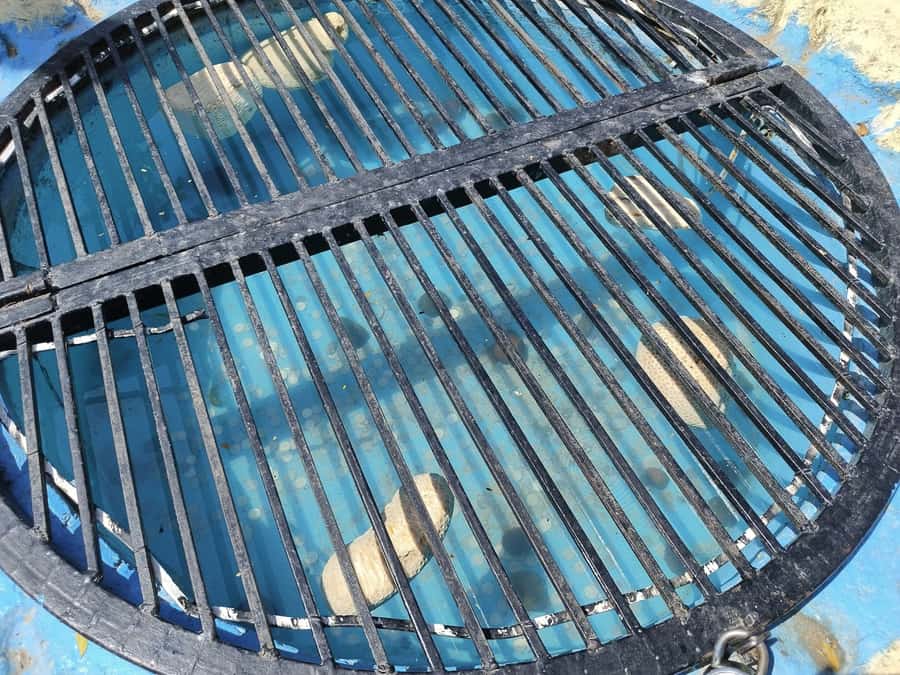
A bolt-down cover with pipe and cord grommets, which is what turns a hole in the floor into part of the house.
#ad we earn a commission · Amazon shows the current price
| Type | Bolt-down sump pit cover with pipe and cord grommets |
|---|---|
| Fits | Basins with pre-drilled rim inserts, 18 in class |
| Why it matters | Keeps debris, pets and children out, and cuts pit humidity and odor |
An uncovered pit evaporates water into the basement all year. Sealing it is the cheapest dehumidification available, and the safety argument stands on its own.
What it gets right
- Grommets for the discharge pipe and the pump cord, so the seal is real
- Keeps debris, pets and children out of an open pit
- Cuts pit humidity and the smell that comes with it
Where it falls short
- Has to match the basin's rim pattern
- Needs removing for service, so do not over-tighten
Specifications from Amazon listing (search).
Zoeller M53 Mighty-Mate
Cast iron, 2,040 GPH at ten feet published, switch points specified, parts available everywhere.

#ad we earn a commission · Amazon shows the current price
| Type | Submersible, cast iron |
|---|---|
| Horsepower | 3/10 HP (sold as 1/3 HP) |
| Electrical | 115 V, 9.7 A, 60 Hz |
| Discharge | 1-1/2" NPT vertical female |
| Switch | Integral vertical float, on at 7-1/4", off at 3" |
| Solids handling | 1/2" |
| Shut-off head | 19.25 ft |
| Flow, by lift | 2,580 GPH at 0 ft · 2,040 GPH at 10 ft |
| Warranty | Three years |
Nine times out of ten, someone searching for pit versus pump needs the pump: the hole already exists and the machine in it has stopped. This is the default replacement.
What it gets right
- Published flow at zero and ten feet
- Switch on at 7-1/4 in, off at 3 in, specified
- Serviceable for decades
Where it falls short
- Costs more than a budget pump
- Wants float swing room in the basin
Specifications from Zoeller M53 (53-0001) specification sheet.
Sewage and ejector pits are a different thing
If the pit in your basement takes waste from a bathroom or a laundry rather than groundwater, it is a sewage or ejector basin and it needs a different pump, a sealed lid and a vent. Putting a sump pump in it will fail, because a sump pump cannot pass solids. The distinction and the right hardware are in sump pump vs sewage ejector.
Questions people ask
What is the difference between a sump pit and a sump pump?
The pit is the hole in the basement floor where groundwater collects; the pump is the electric machine inside it that lifts that water out of the house. A system needs both, plus a liner inside the pit and a cover on top.
Is a sump basin the same as a sump pit?
Nearly. The pit is the excavated hole; the basin or liner is the moulded plastic tub that sits inside it. In shops the words are used interchangeably, and what you buy is the basin.
Can you have a sump pit without a pump?
You can, and some houses do — a pit with a gravity drain to daylight on a sloping site needs no pump. Without either a pump or a gravity outlet, the pit simply fills and overflows onto the floor.
Does the sump pit need a lid?
Yes. A sealed, bolted lid keeps debris, pets and children out, cuts the humidity and odour an open pit puts into the basement, and is required where the pit is part of a radon mitigation system.
How big should a sump pit be?
Eighteen inches in diameter by twenty-two deep is the common upgrade size, holding roughly 20 gallons. Larger is generally better because it cuts the number of pump starts for the same inflow.
Sources
Read next
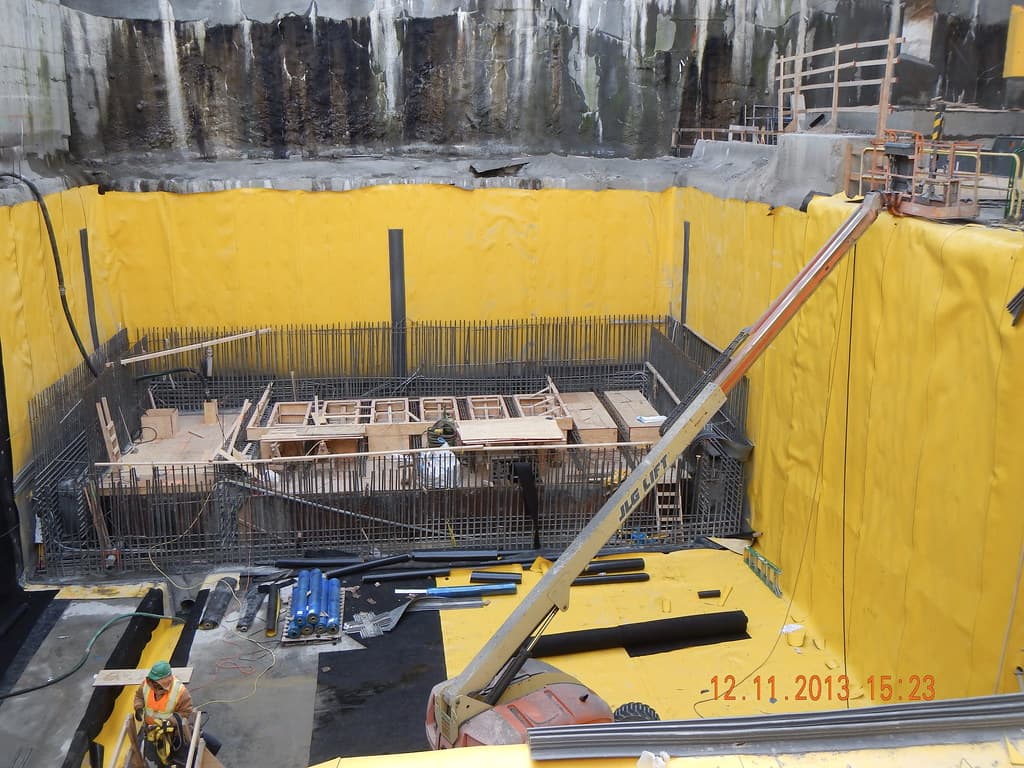
What size should a sump pit be?
The hole constrains everything that goes in it. Pit dimensions rule out more pumps than horsepower ever will.
The best sump pit basins
The hole constrains everything else. Get it wrong and you spend the next decade choosing pumps around a basin that is too small.
The best sump pit covers
An open pit is an evaporation surface in the middle of your basement. A lid is the cheapest humidity fix there is.
Sump pump vs sewage ejector pump
Three pumps that look alike and are not interchangeable. The dividing line is what the water has in it, not how much water there is.
How high should the water be in a sump pit?
Not empty. A pump that pulls its pit dry is not being thorough, it is running on air and wearing out its seal.