The best sump pump check valves
A forty-dollar valve is the single most common reason a healthy pump appears to be failing. It is also the easiest thing in the pit to replace.
We earn a commission if you buy through our Amazon links, at no cost to you. We do not bench-test these products and we never take free product — how we pick · affiliate disclosure
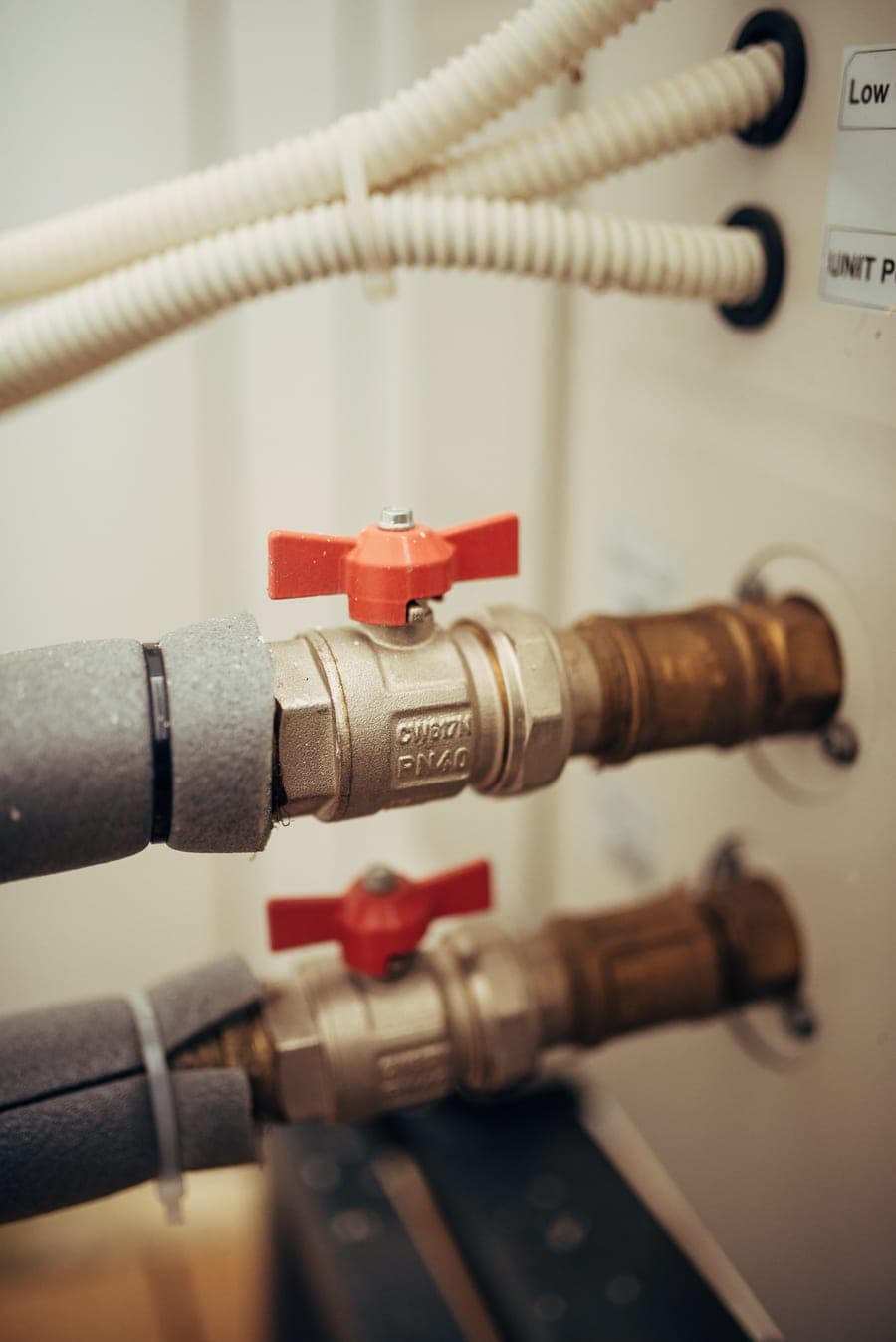
The check valve sits in the discharge pipe just above the pump and does one job: it stops the water the pump just lifted from falling straight back down when the pump stops. In a typical basement with ten feet of pipe, that is several gallons each cycle.
When the valve fails, those gallons return to the pit, refill it above the switch-on level, and the pump starts again. That is the signature: a pump that runs for a few seconds, stops, and immediately restarts. People replace the pump. The pump was fine.
Quick picks
| # | Product | Best for | Score | Price |
|---|---|---|---|---|
| 1 | Campbell spring-loaded silent check valveA spring-loaded valve that closes before the water column can slam it, which removes the noise entirely. | Killing the bang | 8.8 | Check price on Amazon #ad we earn a commission · Amazon shows the current price |
| 2 | 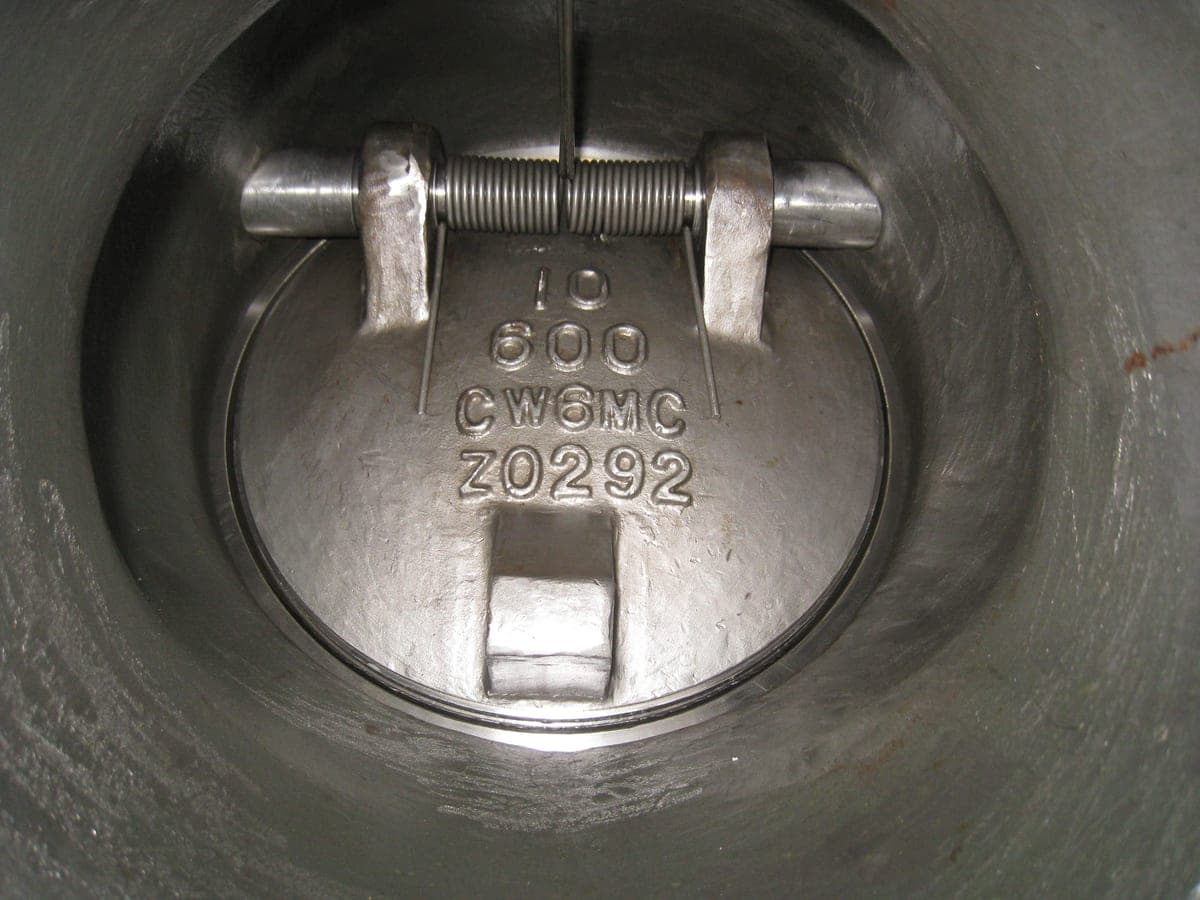 Zoeller 30-0181 check valveThe conventional option from a manufacturer that has been making pit hardware for decades. Zoeller 30-0181 check valveThe conventional option from a manufacturer that has been making pit hardware for decades. | A straightforward, well-made swing check | 8.3 | Check price on Amazon #ad we earn a commission · Amazon shows the current price |
Scores are ours and editorial, not lab measurements — see how we pick. Tap a row for the full write-up.
Campbell spring-loaded silent check valve
A spring-loaded valve that closes before the water column can slam it, which removes the noise entirely.
#ad we earn a commission · Amazon shows the current price
| Type | Spring-assisted silent check valve |
|---|---|
| Why it is quiet | The spring closes the gate before the column of water reverses, so there is no slam |
In a plain swing check valve, the flapper is held open by flow and dropped shut by the water above it falling back. That fall is what produces the bang you hear through the floor. A spring closes the valve as the flow decays instead, so by the time the column reverses there is nothing left to slam.
Fit it with unions or rubber couplings on both sides. You will be back here in a few years, and the version of this job that needs a hacksaw is far worse than the version that needs a screwdriver.
What it gets right
- Closes progressively as flow slows, so the hydraulic hammer never develops
- Removes the loudest noise most sump systems make
- Costs a small fraction of the pump it protects
Where it falls short
- The spring adds slightly more flow restriction than a plain swing flapper
- Still a wear part — plan on replacing it every few years
Specifications from Amazon listing (search).
Zoeller 30-0181 check valve
The conventional option from a manufacturer that has been making pit hardware for decades.
#ad we earn a commission · Amazon shows the current price
| Type | PVC union check valve with a flexible flapper |
|---|---|
| Size | 1-1/2" slip x slip union, fits 1-1/4" and 1-1/2" pipe |
| Orientation | Vertical or horizontal |
| Noise | Flapper bends over a radius rather than slamming a hard seat |
There is nothing wrong with a conventional swing check, and in a high-lift installation its lower restriction is a genuine if modest advantage. It just makes noise, and that noise is why most people end up here.
Install it in the correct orientation — the arrow points in the direction of flow — and give it unions. A valve plumbed in with solvent-welded slip fittings has to be cut out when it fails.
What it gets right
- Minimal flow restriction, which matters at high lift
- Simple mechanism with very little to go wrong
- Widely stocked, so a replacement is easy to find
Where it falls short
- Will produce the characteristic bang on shutoff
- Flapper is still a wear item
Specifications from Zoeller check valve distributor listing.
How to tell your check valve has failed
- Rapid restarts. The pump stops, then starts again within a few seconds, repeatedly. The clearest sign there is.
- A long gurgle after shutoff. Water running back down the pipe makes a distinctive draining sound.
- The pit level rises immediately after a cycle with no rain to explain it.
- A rising electricity bill with no other explanation — short cycling runs the motor far more than normal duty.
Choosing between silent and swing
| Spring-loaded silent | Swing check | |
|---|---|---|
| Noise on shutoff | Essentially none | A distinct bang |
| Flow restriction | Slightly higher | Lowest |
| Price | A little more | Cheapest |
| Best for | Finished space, bedrooms above | Garages, high-lift installs, utility pits |
Fitting it properly
- Unplug the pumpThen plug it back in briefly to clear the pit, and unplug again. You want the pipe as empty as it will get before you open it.
- Have a bucket readyWhatever is standing in the pipe above the valve comes out when you break the joint, and it is more than people expect.
- Fit rubber couplings or unions on both sidesThis is the detail that makes the next replacement a ten-minute job instead of a cutting exercise.
- Check the direction arrowBackwards is a surprisingly common mistake and the pump will move no water at all.
- Test twicePour water in until the pump runs. Confirm it stops, and confirm it does not immediately restart.
A full walkthrough of the symptom is in sump pump keeps running.
Questions people ask
How often should a sump pump check valve be replaced?
Every three to seven years is typical, and replacing it whenever you replace the pump is good practice. It is a cheap part whose failure looks exactly like an expensive one.
Do I need a check valve at all?
Yes, in any installation with meaningful vertical lift. Without one, the pump re-pumps the same water every cycle and short-cycles itself to death.
Why does my check valve bang?
The water column above the valve falls back and slams the flapper shut. A spring-loaded silent check valve closes before the reversal and eliminates the noise.
Can I fit a check valve myself?
Yes. With rubber couplings it is a hand-tool job taking under half an hour. Unplug the pump first, and have a bucket for what drains out of the pipe.
Sources
Read next
Sump pump keeps running: what is actually wrong
A pump that runs constantly is burning itself out, and in most cases the cause is a part that costs less than a tank of gas.

The quietest sump pumps — and the cheaper fixes first
Most sump pump noise is not the pump. Before you buy a quieter one, it is worth knowing what is actually making the sound.
How a sump pump check valve works
One moving part, one job, and the single most common cause of a pump that appears to be failing.
The best sump pump discharge kits
The pump is only half the system. Where the water goes, and how easily it gets there, decides what the pump can actually deliver.

Sump pump maintenance checklist
Twenty minutes a year, split into four short visits, is the difference between a pump that reaches ten years and one that fails at six.