The best water-powered backup sump pumps
No battery, no charger, no runtime limit. In the houses where it fits, this is the most reliable backup you can install.
We earn a commission if you buy through our Amazon links, at no cost to you. We do not bench-test these products and we never take free product — how we pick · affiliate disclosure
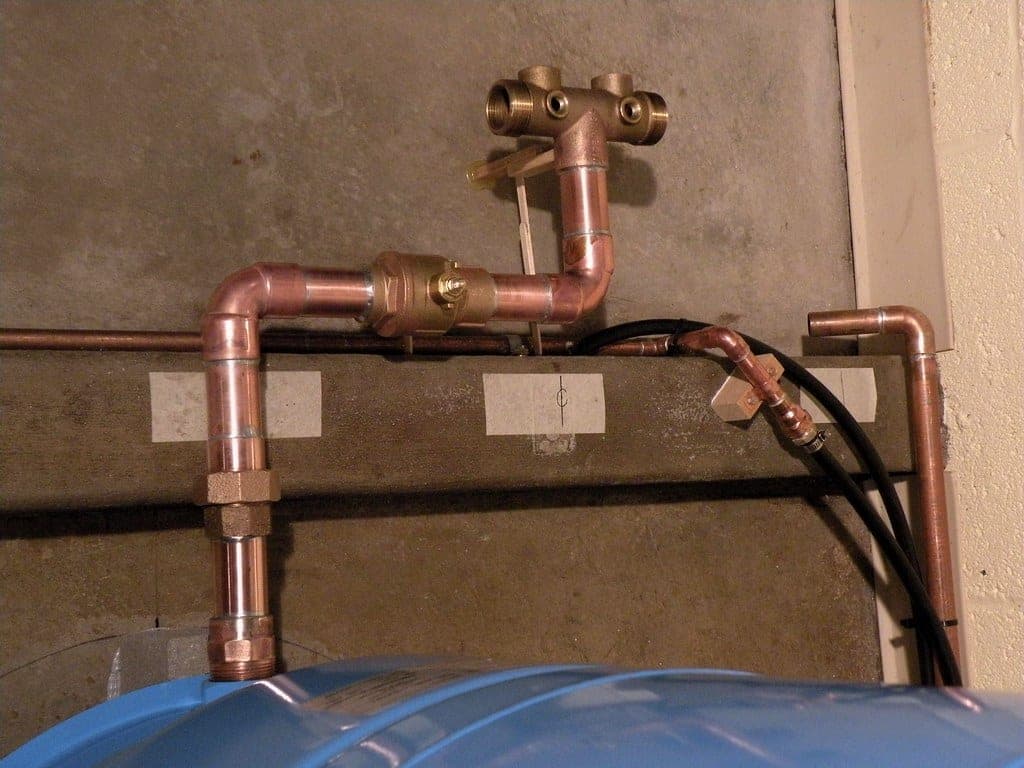
A water-powered backup has no motor, no battery and no electrical connection to the pump itself. It uses the pressure already in your municipal water supply to drive an ejector, which creates suction and lifts sump water out of the pit. Supply water and sump water leave together through the discharge.
Because the energy comes from the water main rather than from the grid or a battery, it runs for as long as the outage lasts. That is the whole proposition, and for houses that meet the conditions it is a genuinely better answer than a battery.
The four conditions
- You are on municipal water. On a private well, the well pump is out in the same outage and there is no pressure. This is absolute.
- Your supply pressure is adequate. Most units want at least 20 PSI static at the connection, and more is better. Measure before buying.
- Your code permits it, with a backflow preventer. Many jurisdictions require a reduced-pressure-zone device on the connection, and some prohibit the installation outright. Check locally before you spend anything.
- You accept the water use. Even an efficient unit uses roughly half a gallon of treated water for every gallon of sump water removed.
Quick picks
| # | Product | Best for | Score | Price |
|---|---|---|---|---|
| 1 | 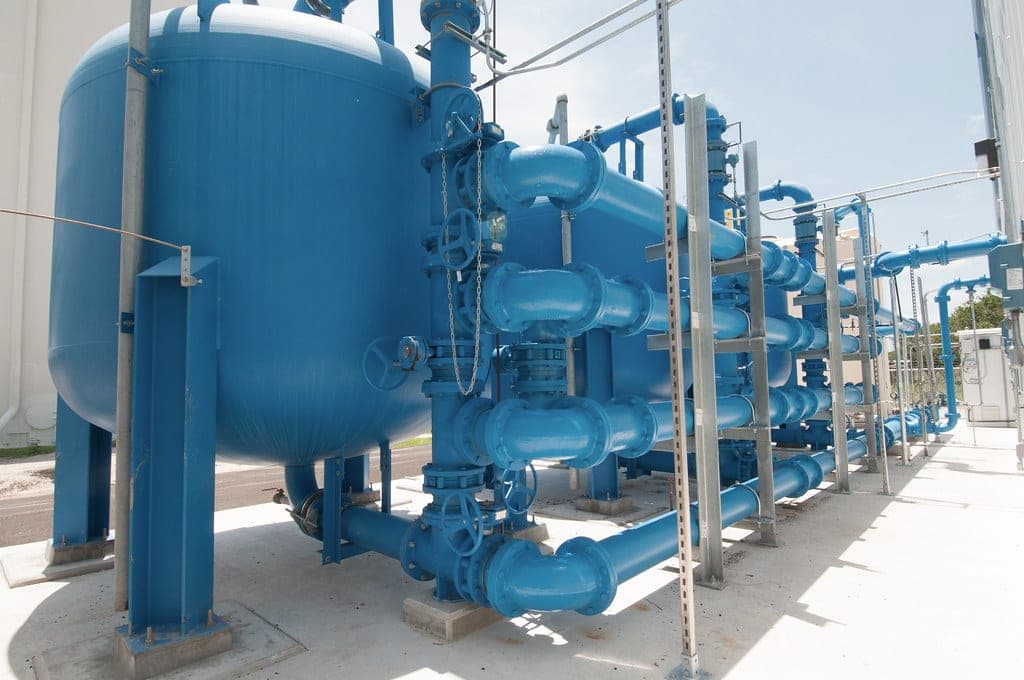 Liberty Pumps SumpJet SJ10AThe SumpJet is the one water-powered backup here with a full flow curve, and it holds its output remarkably well at height. Liberty Pumps SumpJet SJ10AThe SumpJet is the one water-powered backup here with a full flow curve, and it holds its output remarkably well at height. | Published flow you can size against | 8.7 | Check price on Amazon #ad we earn a commission · Amazon shows the current price |
| 2 | Basepump RB750-EZMounts up out of the way near the joists, keeping the whole unit clear of any water in the pit. | A ceiling-mounted install | 8.1 | Check price on Amazon #ad we earn a commission · Amazon shows the current price |
| 3 |  Basepump HB1000-PROA brass-bodied unit rated around 23 GPM, for a pit a smaller ejector cannot keep up with. Basepump HB1000-PROA brass-bodied unit rated around 23 GPM, for a pit a smaller ejector cannot keep up with. | Maximum water-powered capacity | 8.0 | Check price on Amazon #ad we earn a commission · Amazon shows the current price |
Scores are ours and editorial, not lab measurements — see how we pick. Tap a row for the full write-up.
Liberty Pumps SumpJet SJ10A
The SumpJet is the one water-powered backup here with a full flow curve, and it holds its output remarkably well at height.
#ad we earn a commission · Amazon shows the current price
| Type | Water-powered backup, no electricity and no battery |
|---|---|
| Supply pressure | 20 to 100 PSI inlet |
| Connections | 3/4" inlet, 1-1/2" discharge |
| Water used | Removes about 2 gallons of sump water per gallon of supply water |
| Alarm | Indoor 115 V alarm with 9 V battery backup, included |
| Flow, by lift | 1,188 GPH at 4 ft · 1,020 GPH at 8 ft · 912 GPH at 12 ft · 810 GPH at 15 ft |
The thing a water-powered backup does that no battery can is keep going. A three-day outage is the same to it as a three-hour one, which is the entire argument for the category.
Liberty publishes flow at four lifts and the curve is unusually flat: 1,188 GPH at four feet, still 810 GPH at fifteen. Compare that with a battery backup, which typically loses two-thirds of its output across the same range.
The cost is water. Two gallons out per gallon in is a good ratio for this type of pump, but a long storm still means a noticeable bill, and in a drought-restricted area that may matter more than the money.
What it gets right
- Still moving around 810 GPH at 15 feet of lift, where battery backups have collapsed
- Removes roughly two gallons of sump water per gallon of supply water used
- Indoor alarm with its own 9 V battery is included
Where it falls short
- Needs 20 to 100 PSI of municipal supply pressure — useless on a private well
- Uses treated water you pay for, every minute it runs
- Requires a 3/4 inch supply connection and, in most jurisdictions, a backflow preventer
Specifications from Liberty SumpJet SJ10A specification listing.
Basepump RB750-EZ
Mounts up out of the way near the joists, keeping the whole unit clear of any water in the pit.
#ad we earn a commission · Amazon shows the current price
| Type | Water-powered backup, ceiling-mounted |
|---|---|
| Rated capacity | About 15 GPM at 15 ft of lift |
Basepump's approach puts the ejector up at ceiling level with a suction line down into the pit. Nothing mechanical sits in the water, which removes a whole category of corrosion and debris problems.
It is a plumbing job rather than a pump swap, and worth pricing accordingly if you are not doing it yourself.
What it gets right
- Ceiling mounting keeps the mechanism dry and out of the pit entirely
- Rated around 15 GPM at 15 feet of lift, which is strong at height
- Nothing in the system ages the way a battery does
Where it falls short
- A more involved installation than a pump you drop in a pit
- Published data is thinner than Liberty's
- Same municipal-pressure requirement and the same backflow preventer rules
Specifications from Basepump RB750 reference listing.
Basepump HB1000-PRO
A brass-bodied unit rated around 23 GPM, for a pit a smaller ejector cannot keep up with.
#ad we earn a commission · Amazon shows the current price
| Type | Water-powered backup, brass body |
|---|---|
| Rated capacity | About 23 GPM |
If a water-powered backup is the right architecture for your house but the smaller units look marginal against your inflow, this is the upgrade. Check your static supply pressure before ordering: an ejector cannot produce flow the supply cannot deliver.
What it gets right
- The highest rated capacity of the water-powered options here
- Brass body rather than plastic
- Unlimited runtime, same as the rest of the category
Where it falls short
- Higher water consumption follows from higher output
- Needs good supply pressure and pipe sizing to achieve its rating
- Premium price
Specifications from Basepump HB1000-PRO reference listing.
Water-powered versus battery, in one paragraph
A battery backup is universal and limited; a water-powered backup is conditional and unlimited. If you can meet the four conditions above, the water-powered unit removes the failure mode that actually bites — a battery that was three years old and nobody noticed. If you cannot, the question does not arise. The long version is in water-powered vs battery.
Questions people ask
Do water-powered backup pumps really work without electricity?
Yes. The driving energy is the pressure in the municipal water main, which is unaffected by a power outage at your house. No battery, no motor, no electrical connection to the pump.
How much water does a water-powered backup use?
Roughly one gallon of supply water for every two gallons of sump water removed, on an efficient unit. Over a long storm that is a measurable amount of metered water.
Can I install one on a well?
No. Your well pump needs electricity, so in an outage there is no supply pressure at all. Water-powered backups are for municipal supply only.
Is a backflow preventer required?
In most jurisdictions, yes, and the type is specified by local code. Check with your water utility or a licensed plumber before buying — some areas prohibit these installations entirely.
Sources
Read next
Water-powered vs battery backup sump pump
One has no runtime limit and four conditions attached. The other works anywhere and runs out. That is the whole decision.

The best battery backup sump pumps
The storm that fills your pit is the storm that takes the power out. This is the half of the system that works when the other half cannot.

Sump pump backflow preventers
A check valve stops water falling back into the pit. A backflow preventer stops water arriving from somewhere else entirely.

Do I need a battery backup sump pump?
The storms that fill your pit are the storms that take the power down. The question is what a few hours of no pumping would actually cost you.
Battery backup vs generator for a sump pump
One works while you sleep at reduced flow. The other gives full flow but needs you awake and outside. They are not really competing.