Types of sump pumps
Four categories, and most houses end up with two of them: a primary that does the work and a backup that covers the night the power fails.
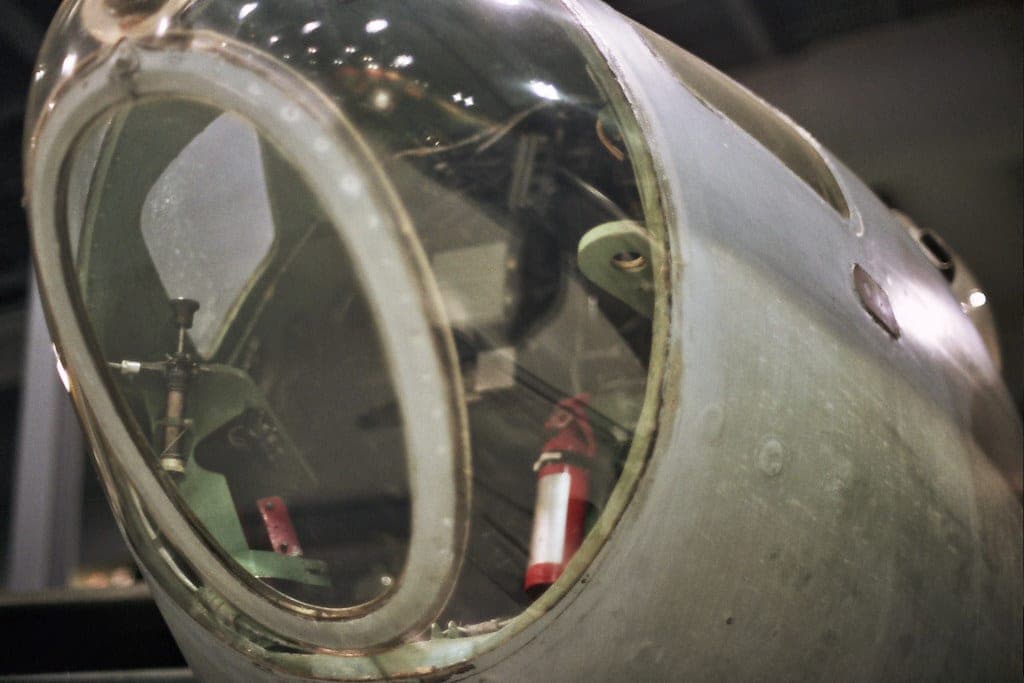
Sump pumps divide into four types, and the division is not about quality. It is about where the motor sits and where the energy comes from. Knowing which type you are looking at makes every other decision easier.
The four types at a glance
| Type | Motor location | Powered by | Role |
|---|---|---|---|
| Submersible | In the pit, underwater | Mains electricity | Primary pump, most installations |
| Pedestal | Above the water on a column | Mains electricity | Primary pump, awkward pits |
| Battery backup | In the pit, above the primary | 12 V battery | Secondary, for outages |
| Water-powered backup | Usually above the pit | Municipal water pressure | Secondary, for long outages |
A fifth thing that is not a sump pump
Utility or transfer pumps get sold alongside these and are not the same product. They have no float switch, no automatic operation and usually no continuous-duty rating. They are a tool for clearing standing water, and leaving one running unattended in a pit is how people destroy them. See basement water pumps.
A sewage ejector pump is also different again: built to pass solids, installed in a sealed basin, and used where a bathroom sits below the sewer line. It is not interchangeable with a sump pump in either direction.
Zoeller M53 Mighty-Mate
Quiet, sealed, cooled by the water it moves. The right type for almost every basement.

#ad we earn a commission · Amazon shows the current price
| Type | Submersible, cast iron |
|---|---|
| Horsepower | 3/10 HP (sold as 1/3 HP) |
| Electrical | 115 V, 9.7 A, 60 Hz |
| Discharge | 1-1/2" NPT vertical female |
| Switch | Integral vertical float, on at 7-1/4", off at 3" |
| Solids handling | 1/2" |
| Shut-off head | 19.25 ft |
| Flow, by lift | 2,580 GPH at 0 ft · 2,040 GPH at 10 ft |
| Warranty | Three years |
If the pit takes it, this is the type to buy. Everything else in this list is a response to a constraint.
What it gets right
- Quiet under a lid
- Water-cooled motor
- Works with a sealed pit cover
Where it falls short
- Needs pit size
- Heavy to remove
Specifications from Zoeller M53 (53-0001) specification sheet.
Zoeller 1084 / M84 pedestal pump
Motor above the water, so it fits shallow and narrow pits and is easy to service.
#ad we earn a commission · Amazon shows the current price
| Type | Pedestal, motor above the water line |
|---|---|
| Horsepower | 1/2 HP |
| Electrical | 115 V, 7.3 A, 1,725 RPM |
| Discharge | 1-1/2" |
| Column height | 32 in |
| Maximum head | 15 ft |
| Flow, by lift | 3,900 GPH at 0 ft · 3,840 GPH at 10 ft |
| Warranty | Two years |
A narrow category now, but the right answer when the pit simply will not take a submersible.
What it gets right
- Fits where a submersible will not
- Dry, serviceable motor
Where it falls short
- Loud
- Cannot be sealed under a lid
Specifications from Zoeller 84-0001 (M84) pedestal pump listing.
Wayne ESP25N battery backup system
The second pump that runs when the grid is down, for a measured number of cycles.

#ad we earn a commission · Amazon shows the current price
| Type | 12 V DC battery backup pump |
|---|---|
| Housing | Epoxy-coated steel with a cast-iron base |
| Impeller | Corrosion-resistant thermoplastic |
| Discharge | 1-1/2" NPT |
| Battery | One Group 27 deep-cycle battery, sold separately |
| Minimum basin | 14 in diameter |
| Monitoring | LED display and audible alarm on the battery case |
| Flow, by lift | 2,900 GPH at 0 ft · 2,340 GPH at 5 ft · 1,680 GPH at 10 ft · 600 GPH at 15 ft |
| Warranty | Two years |
Not a substitute for the primary. A backup is built to keep water below the floor until power returns.
What it gets right
- Works in any house
- No plumbing changes
- Automatic
Where it falls short
- Finite runtime
- Battery replacement every few years
Specifications from Wayne ESP25N specification listing, Wayne ESP25 product listing.
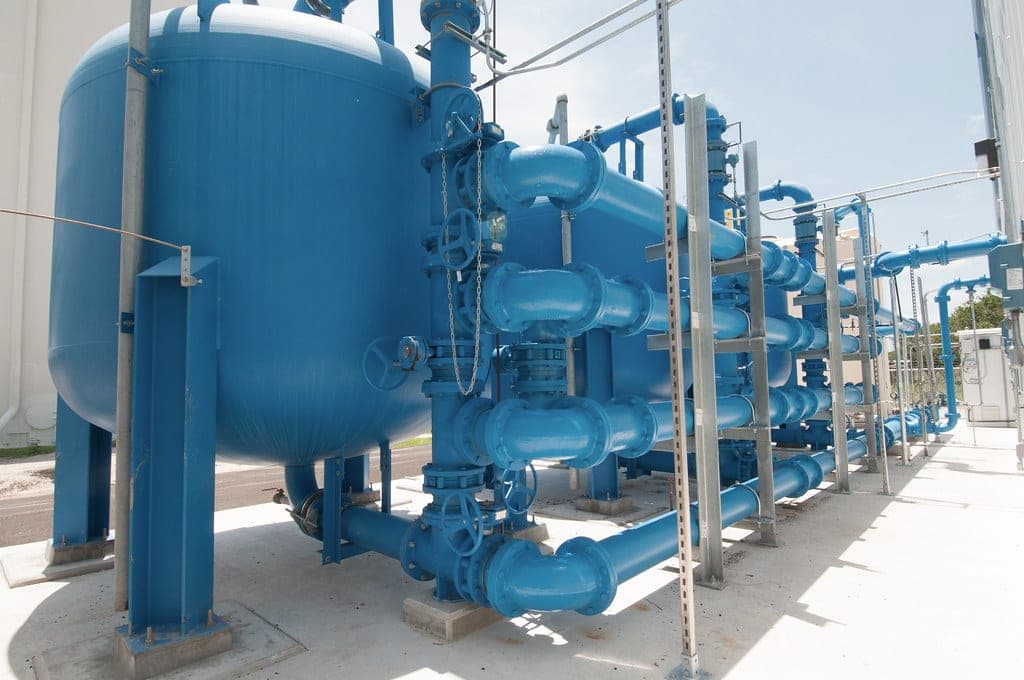
Liberty Pumps SumpJet SJ10A
Driven by municipal water pressure, so it runs as long as the outage does.
#ad we earn a commission · Amazon shows the current price
| Type | Water-powered backup, no electricity and no battery |
|---|---|
| Supply pressure | 20 to 100 PSI inlet |
| Connections | 3/4" inlet, 1-1/2" discharge |
| Water used | Removes about 2 gallons of sump water per gallon of supply water |
| Alarm | Indoor 115 V alarm with 9 V battery backup, included |
| Flow, by lift | 1,188 GPH at 4 ft · 1,020 GPH at 8 ft · 912 GPH at 12 ft · 810 GPH at 15 ft |
Conditional but unlimited. Where the conditions are met it is the most reliable backup available.
What it gets right
- No battery
- No runtime limit
- Holds flow at height
Where it falls short
- Municipal supply only
- Uses metered water
- Backflow preventer usually required
Specifications from Liberty SumpJet SJ10A specification listing.
What most houses end up with
- A submersible primary sized to the lift and the pit.
- A battery backup set to switch on above the primary's level.
- A water alarm on the floor beside the pit, because both of those can fail quietly.
That combination covers mechanical failure, power failure and the undetected failure, which are the three ways a basement gets wet from the pit.
Questions people ask
What is the most common type of sump pump?
Submersible. It is quieter, cooler-running and can be sealed under a lid, which is why nearly every modern installation uses one.
Is a pedestal pump obsolete?
No, just narrow in application. It remains the right answer for pits too shallow or too tight for a submersible, and the dry motor is easier to service.
Can a backup pump be the only pump?
No. Backup pumps have lower flow and are built for occasional duty. They are designed to hold the line until mains power returns.
What is the difference between a sump pump and a sewage ejector?
A sewage ejector passes solids and sits in a sealed, vented basin for waste from fixtures below the sewer line. A sump pump moves clear groundwater. They are not interchangeable.
Sources
Read next
Pedestal vs submersible sump pump
Two ways to get water out of the same hole. The pit usually decides this before you do.
Water-powered vs battery backup sump pump
One has no runtime limit and four conditions attached. The other works anywhere and runs out. That is the whole decision.
The best sump pumps, ranked by what they move at real lift
Five pumps that cover almost every residential pit, compared on the number that matters: how much water they move at the height your basement actually needs.
Do I need a sump pump?
Not every basement does. Here is how to tell which kind you have, before you spend money on either answer.

The best basement water pumps for clearing standing water
A utility pump empties a flooded floor. A sump pump stops the floor flooding. They are different tools and you probably want both.