Sump pump discharge pipe size
The pump is rated against a certain resistance. Every reduction, elbow and yard of corrugated hose adds to it — and the pipe is often the real bottleneck.

Residential sump pumps almost all use a 1-1/2 inch discharge, and the single most common mistake in this area is reducing it — usually to a garden hose fitting, because a garden hose is convenient. The convenience costs a large share of the flow you paid for.
The rules
- Match the pump outlet. 1-1/2 inch pump, 1-1/2 inch pipe. Never smaller.
- Going larger is fine on long horizontal runs, and reduces friction losses. Going smaller never is.
- Minimize elbows. Each 90 adds equivalent head. Two 45s make a gentler turn where you have room.
- Keep the run as short as practical, with continuous fall outside so the line drains between cycles.
- Discharge at least ten feet from the foundation, onto ground that slopes away.
- Never connect to a sanitary sewer. Prohibited almost everywhere.
What the resistance costs you
| Feature | Roughly adds |
|---|---|
| 10 ft of horizontal 1-1/2 in pipe | About 1 ft of equivalent head |
| One 90-degree elbow | A fraction of a foot, and they accumulate |
| Reducing to garden hose | A large and disproportionate increase |
| Corrugated hose instead of smooth pipe | Noticeably more than the same length of rigid pipe |
| A check valve | A small, unavoidable amount |
Add those up and a pump nominally lifting 9 feet may be working against 13 or 14 feet of total dynamic head. That is why sizing uses the total rather than the vertical measurement.
Sump pump discharge hose kit
Hose, adapters and clamps sized to the pump outlet, for the part of the run that changes seasonally.
#ad we earn a commission · Amazon shows the current price
| Type | Flexible discharge hose with adapters and clamps |
|---|---|
| Typical size | 1-1/4" or 1-1/2" to match the pump outlet |
| Use | Temporary or above-ground runs, and seasonal re-routing |
Keep flexible hose to the section that has to move. The vertical run inside should be rigid pipe, where resistance costs you the most.
What it gets right
- No solvent welding
- Easy to re-route in winter
- Correct adapters included
Where it falls short
- More resistance than rigid pipe
- Degrades outdoors over time
Specifications from Amazon listing (search).
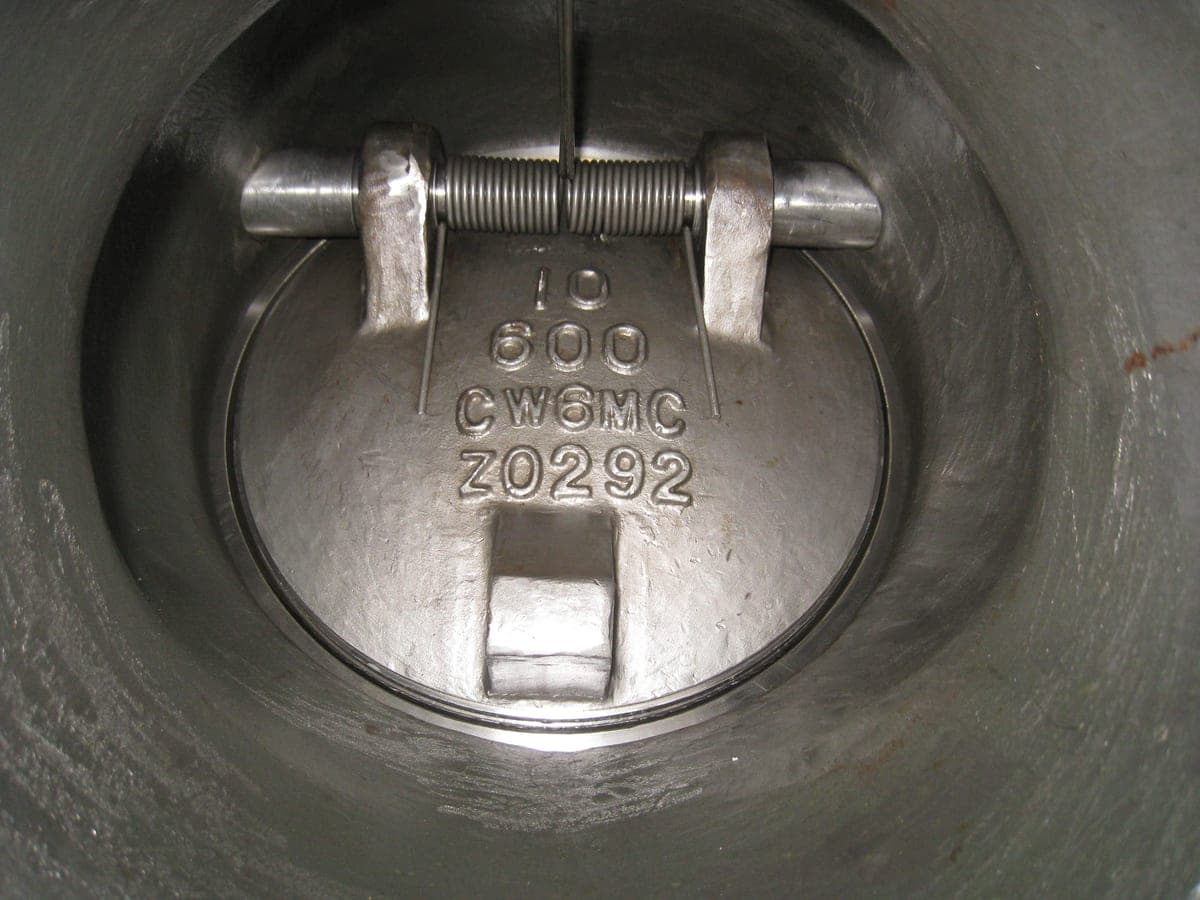
Zoeller 30-0181 check valve
Low restriction and simple, for a discharge where every bit of flow counts.
#ad we earn a commission · Amazon shows the current price
| Type | PVC union check valve with a flexible flapper |
|---|---|
| Size | 1-1/2" slip x slip union, fits 1-1/4" and 1-1/2" pipe |
| Orientation | Vertical or horizontal |
| Noise | Flapper bends over a radius rather than slamming a hard seat |
Every discharge needs a check valve, and it is part of the resistance calculation. A swing check costs less flow than a spring-loaded one; a spring-loaded one costs less sleep.
What it gets right
- Minimal flow restriction
- Simple mechanism
- Widely stocked
Where it falls short
- Bangs on shutoff
- Wear item
Specifications from Zoeller check valve distributor listing.
Where the water should end up
- At least ten feet from the wall, further if the ground is flat.
- Onto ground that falls away. A discharge into a flowerbed against the house returns straight to the drain tile.
- Not onto a path or driveway where it will freeze into a hazard.
- Not onto a neighbor's property. That is a dispute waiting to happen, and in some places a code violation.
- Into a storm connection only if permitted locally, and with a backflow preventer. See backflow preventers.
Questions people ask
Can I use a garden hose on my sump pump?
For a temporary emergency, yes. Permanently, no: the reduction in diameter costs a disproportionate amount of flow and makes the pump work far harder than its rating assumes.
Should the discharge pipe be bigger than the pump outlet?
It can be, and on a long horizontal run slightly larger pipe reduces friction losses. Never smaller than the outlet.
How far should a sump pump discharge from the house?
At least ten feet, onto ground sloping away from the foundation. Closer and the water finds its way back into the drain tile.
Can I bury the discharge line?
Yes, with continuous fall and a freeze-relief fitting where the line leaves the house. A buried line you cannot inspect is exactly the line that needs a relief point.
Sources
Read next
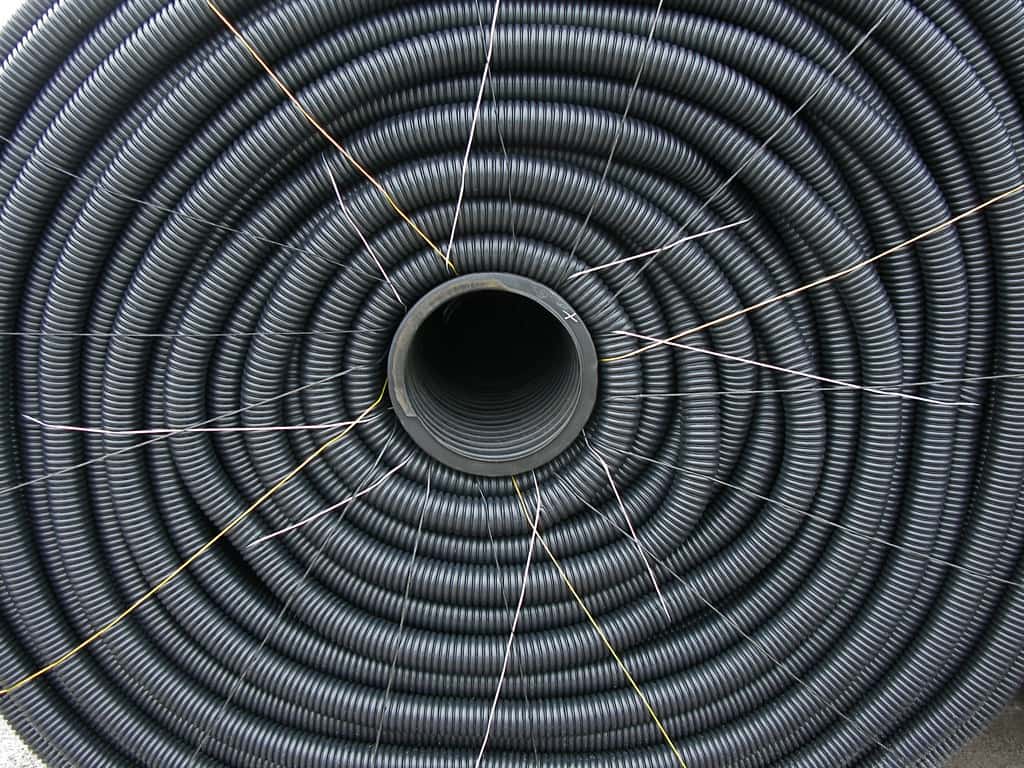
The best sump pump discharge kits
The pump is only half the system. Where the water goes, and how easily it gets there, decides what the pump can actually deliver.

What size sump pump do I need?
Two measurements and ten minutes give you a real answer. Almost everyone skips both and buys on horsepower instead.

Sump pump freeze protection that actually works
A pump running against a plug of ice has nowhere to send water and no way to cool itself. This is the failure that takes out the pump and the basement together.
Sump pump freezing in winter
The pump is fine. The pipe is full of ice, and the pump is now running against a closed valve it cannot open.
The best sump pump check valves
A forty-dollar valve is the single most common reason a healthy pump appears to be failing. It is also the easiest thing in the pit to replace.