The best crawl space sump pump kits
Nobody sells a single box that does this job properly. Four parts do, and three of them are the ones people skip.
We earn a commission if you buy through our Amazon links, at no cost to you. We do not bench-test these products and we never take free product — how we pick · affiliate disclosure
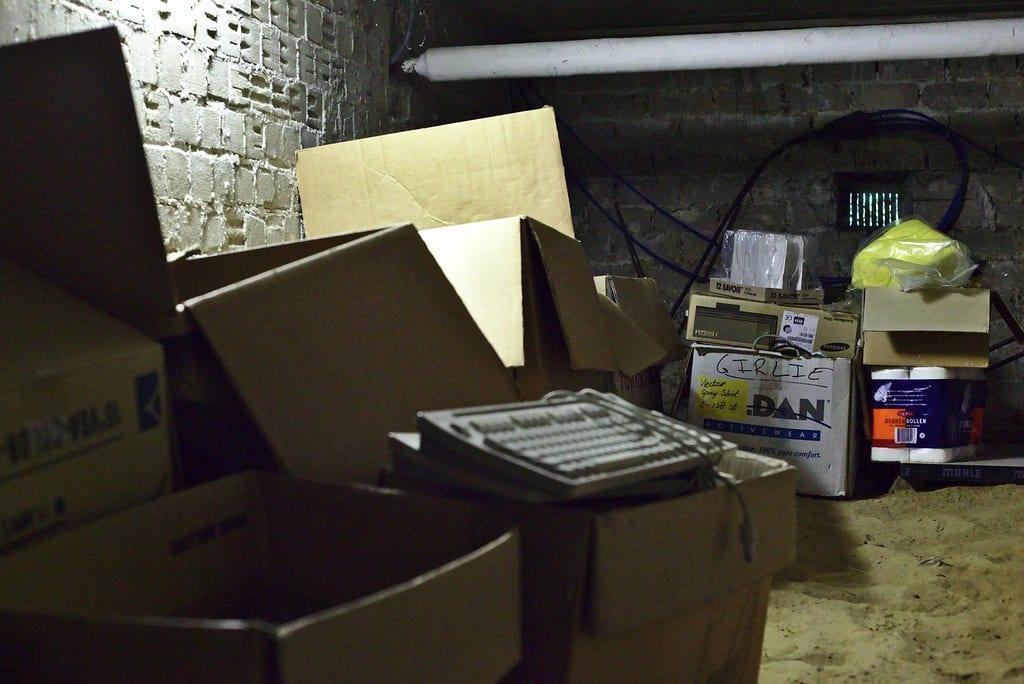
A crawl space sump system is four parts, and the best combination is a Jackel SF20 18-by-22-inch basin, a Liberty Pumps 257 (rated for a 10 inch minimum pit at only 5.2 A), a bolt-down sealed cover, and a supported discharge run that ends well away from the house. No single boxed kit covers all four properly, and the three parts that are not the pump are the three people skip. It is the right set for a homeowner with persistent standing water or saturated ground under a house they cannot stand up in.
If you are still deciding whether you need one at all, start with does a crawl space need a sump pump — plenty of damp crawl spaces need a vapor barrier and nothing else.
Quick picks
| # | Product | Best for | Score | Price |
|---|---|---|---|---|
| 1 |  Jackel SF20 sump basin (18 x 22 in)An 18 by 22 inch one-piece structural-foam basin holding 20 gallons, with a pre-drilled rim that accepts a sealed cover. | The basin, which decides everything else | 8.6 | Check price on Amazon #ad we earn a commission · Amazon shows the current price |
| 2 | 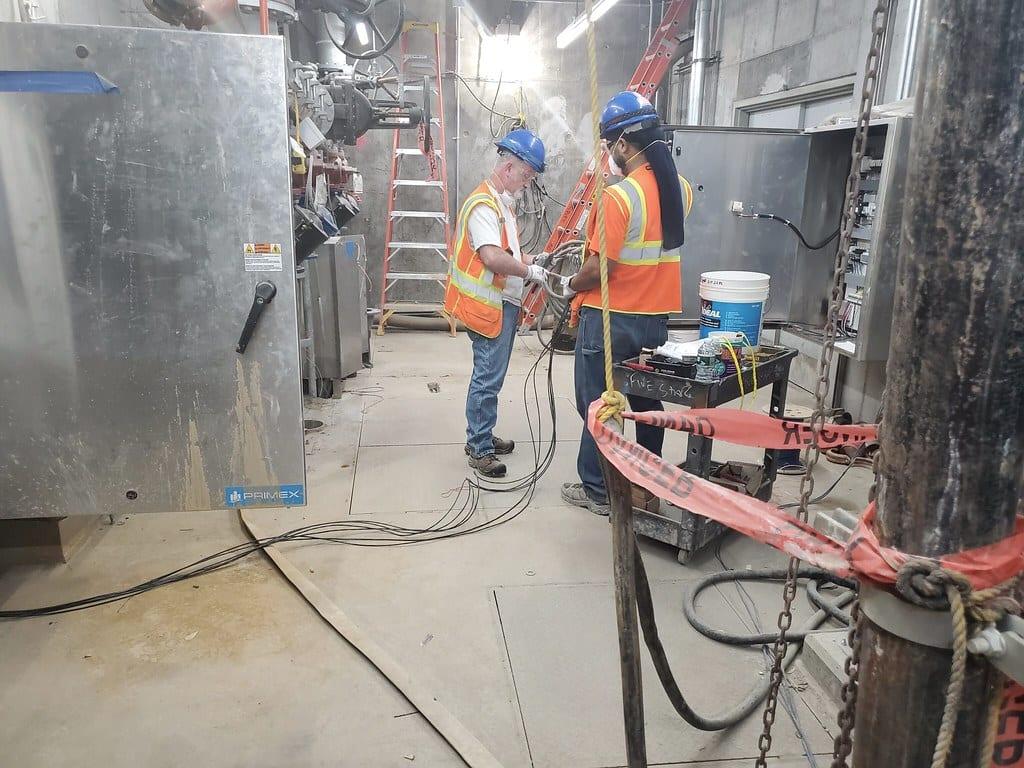 Liberty Pumps 257A 1/3 HP Class 25 cast-iron submersible rated for a minimum 10 inch pit, drawing only 5.2 A at 115 V. | The pump, in a basin this size | 9.0 | Check price on Amazon #ad we earn a commission · Amazon shows the current price |
| 3 | 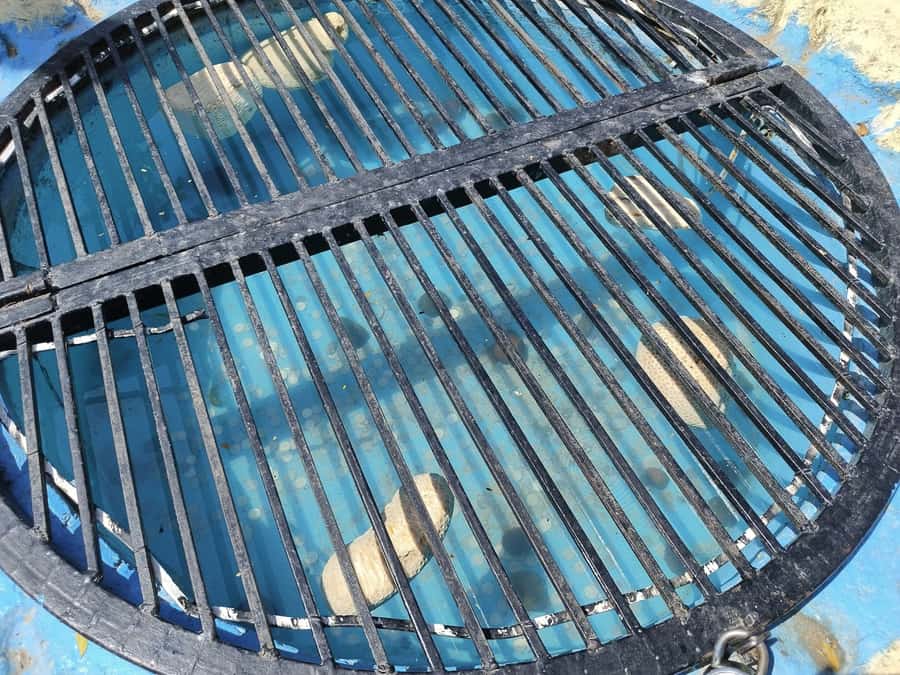 Jackel sealed sump pit coverA bolt-down cover with pipe and cord grommets, which is what keeps a sealed crawl space sealed. | The part that makes it a system | 9.0 | Check price on Amazon #ad we earn a commission · Amazon shows the current price |
| 4 |  Sump pump discharge hose kitFlexible discharge hose with adapters and clamps, sized to the pump outlet — the part that decides whether the water actually leaves. | Getting the water away from the house | 8.4 | Check price on Amazon #ad we earn a commission · Amazon shows the current price |
Scores are ours and editorial, not lab measurements — see how we pick. Tap a row for the full write-up.
Why a crawl space is not a small basement
Everything about this installation is different from the basement version, and the differences all push in the same direction: toward a bigger basin, a leaner pump and a sealed lid.
| Basement | Crawl space | |
|---|---|---|
| Inflow pattern | Often storm-driven and fast | Usually slow, persistent, groundwater-fed |
| Consequence of short cycling | Shortens pump life | Shortens pump life, and you cannot easily get at the pump |
| Pit surroundings | Gravel under a concrete slab | Bare soil — far more silt in the basin |
| Lift | Typically 8 to 10 ft | Often modest, but with a long horizontal run |
| Open pit | A humidity and radon source | A hole in the encapsulation envelope |
| Service access | Stand up, lift the pump out | Crawl in on your side with a flashlight |
That last row is the one that should change your buying decisions. In a basement, a pump that needs attention twice a year is mildly annoying. In a crawl space it is a job you will put off until the pump has already failed, which is why oversizing the basin and under-stressing the pump are both worth paying for here.
The four parts, and what each one has to do
- The basin. Bigger than you think. 20 gallons rather than 10 cuts the cycle count in half for identical groundwater, and the hole is the part you cannot change later. Pre-drilled rim inserts are not optional if you intend to seal it.
- The pump. Low current draw and a low minimum-pit rating beat horsepower. A 10 inch minimum diameter opens up locations between piers, and 5.2 A is kinder to a long branch circuit than 9.7 A.
- The sealed cover. With grommets, bolted to the rim. Under a sealed crawl space this is as important as the barrier itself.
- The discharge run. Supported, kink-free, with a check valve, ending far enough from the foundation that the water does not return. This is where most crawl-space systems actually fail.
Jackel SF20 sump basin (18 x 22 in)
An 18 by 22 inch one-piece structural-foam basin holding 20 gallons, with a pre-drilled rim that accepts a sealed cover.
#ad we earn a commission · Amazon shows the current price
| Size | 18 in diameter x 22 in deep |
|---|---|
| Capacity | 20 gallons |
| Material | Injection-molded structural foam polyethylene, one piece |
| Rim | Pre-drilled holes with metal inserts to accept a cover |
| Sealing | Gas and radon tight when fitted with a sealed cover |
| Weight | 11 lb |
In a crawl space, the basin is the decision that constrains every other one. Digging is the expensive part of the job — you are kneeling or lying down to do it — so the hole you dig is the hole you will live with. Dig once and dig big.
The 20 gallon capacity does more work in a crawl space than it does in a basement. Crawl-space inflow is usually slow and persistent rather than storm-driven, and a slow inflow into a small basin is the textbook recipe for short cycling: the pump starts, clears four gallons, stops, and starts again twenty minutes later, forever. A 20 gallon basin halves that start count for free.
The sealed-cover point is the one that separates a crawl space from a basement. If you are encapsulating — and if you are putting in a sump, you probably are — an open hole in the ground inside the sealed envelope defeats a large part of the barrier you just paid for. Soil gas and water vapor come straight up through it. A basin with a pre-drilled rim is what makes the cover possible.
What it gets right
- 20 gallons against 10 to 15 for a standard basin, which roughly halves the cycle count for the same inflow
- One-piece injection-molded structural foam polyethylene, so there is no seam to fail in wet soil
- Pre-drilled rim holes with metal inserts, so a cover actually bolts down
- Gas and radon tight when fitted with a sealed cover — which matters far more under a sealed crawl space than in an open basement
- 11 lb, which is liftable through a crawl-space hatch
Where it falls short
- 22 inches deep is a real excavation in a space you cannot stand up in
- 18 inches of diameter needs room between piers
- Bulky to maneuver through a small access door even at 11 lb
Specifications from 18 x 22 in radon sump basin distributor listing.
Liberty Pumps 257
A 1/3 HP Class 25 cast-iron submersible rated for a minimum 10 inch pit, drawing only 5.2 A at 115 V.
#ad we earn a commission · Amazon shows the current price
| Type | Submersible, Class 25 cast iron |
|---|---|
| Horsepower | 1/3 HP |
| Electrical | 115 V, 5.2 A |
| Discharge | 1-1/2" NPT vertical female |
| Impeller | Thermoplastic vortex |
| Solids handling | 3/8" |
| Minimum pit | 10 in diameter |
| Maximum head | 23 ft (rated head 5 ft) |
| Flow, by lift | 2,640 GPH at 0 ft |
| Warranty | Three years |
Two numbers make this the crawl-space pump. The 10 inch minimum pit diameter means it will work in a hole you could actually dig between piers, and the 5.2 A draw at 115 V is roughly half what a Zoeller M53 or a Wayne CDU790 pulls. Crawl-space pumps are often at the far end of a long branch circuit, and a lower draw is less voltage drop and less heat in the cord.
The 23 foot maximum head is generous for the application. A crawl-space pump usually has a modest vertical lift — the crawl space is barely below grade — but a long horizontal discharge run to get the water away from the house, and horizontal runs with elbows eat head too. Having margin there is worth more than extra horsepower.
The weak spot is solids handling at 3/8 inch. Crawl-space pits silt up more than basement pits because the surrounding ground is bare soil rather than gravel under a slab. Set the basin on a gravel bed, keep the barrier sealed around it, and clean it out annually.
What it gets right
- Rated for a minimum 10 inch diameter pit, which is the lowest in our registry — useful when piers limit the hole
- 5.2 A at 115 V, roughly half the draw of several comparable 1/3 HP pumps, which matters on a long crawl-space circuit
- Class 25 cast-iron housing with a thermoplastic vortex impeller
- 23 ft maximum head, which covers a crawl-space lift plus a long horizontal run
- 2,640 GPH published at zero lift; three-year warranty
Where it falls short
- 3/8" solids handling, the lowest in the group — a silty crawl-space pit will test it
- Liberty publishes no flow figure at ten feet, only the zero-lift number and maximum head
- Vertical magnetic float still needs some swing clearance
Specifications from Liberty 257 specification listing, Liberty 250-series distributor spec page.
Jackel sealed sump pit cover
A bolt-down cover with pipe and cord grommets, which is what keeps a sealed crawl space sealed.
#ad we earn a commission · Amazon shows the current price
| Type | Bolt-down sump pit cover with pipe and cord grommets |
|---|---|
| Fits | Basins with pre-drilled rim inserts, 18 in class |
| Why it matters | Keeps debris, pets and children out, and cuts pit humidity and odor |
This is the part that gets skipped and the part that matters most in a crawl space. An open sump basin inside an encapsulated crawl space is a hole in the envelope: it evaporates water into the sealed space continuously and provides a direct path for soil gas. People spend a weekend sealing every lap in a vapor barrier and then leave a twenty-gallon open pit in the middle of it.
The grommets are what make the seal real rather than decorative. A cover with a rough hole cut for the discharge pipe is a cover with a hole in it. Buy the cover at the same time as the basin so the rim pattern matches.
What it gets right
- Grommets for the discharge pipe and the pump cord, so the seal is continuous rather than nominal
- Bolts to the basin's rim inserts instead of resting on top of the hole
- Cuts pit humidity and the odor that comes with it, which under a sealed floor goes straight into the house
- Keeps debris and rodents out of the basin
Where it falls short
- Has to match the basin's rim pattern — buy basin and cover together
- Needs removing for service, so do not over-tighten the bolts
- The vapor barrier still has to be sealed to the basin rim separately
Specifications from Amazon listing (search).
Sump pump discharge hose kit
Flexible discharge hose with adapters and clamps, sized to the pump outlet — the part that decides whether the water actually leaves.
#ad we earn a commission · Amazon shows the current price
| Type | Flexible discharge hose with adapters and clamps |
|---|---|
| Typical size | 1-1/4" or 1-1/2" to match the pump outlet |
| Use | Temporary or above-ground runs, and seasonal re-routing |
The single most common crawl-space sump failure is not the pump. It is a discharge line that dumps three feet from the foundation, so the water you just pumped out soaks straight back into the ground you pumped it from. Whatever you use for the run, the destination matters more than the material — see where to discharge sump pump water.
Flexible hose earns its place here on installability. Solvent-welding rigid pipe while lying on your side in an 80 degree crawl space with no cross-ventilation is genuinely unpleasant and genuinely hazardous. Where the run can be rigid and accessible, make it rigid; where it cannot, flexible hose properly supported is the honest compromise.
What it gets right
- Adapters for 1-1/4" or 1-1/2" to match the pump outlet
- Flexible, which is the only practical option for a long run through a space you cannot stand up in
- Makes seasonal re-routing possible, which matters where the line can freeze
- No solvent welding in a confined space with no ventilation
Where it falls short
- Less durable than rigid PVC, and more prone to kinking if it is not supported
- A kink is an invisible blockage — support the run and keep the bends generous
- Still needs a check valve, which is not part of the kit
Specifications from Amazon listing (search).
What a kit sold as a kit usually leaves out
Boxed crawl-space sump kits exist, and they vary enormously in what they contain. Before buying one, check it against this list — these are the items most often absent:
- A check valve. Without one the water in the vertical pipe falls back into the basin when the pump stops, and the pump restarts on its own backwash. See the best sump pump check valves.
- Enough discharge pipe or hose. Kits ship a short tail. A crawl-space run is usually long.
- A gravel bed. The basin should sit on washed gravel, not on bare soil, or it silts up from below.
- Barrier sealing material. The vapor barrier has to be sealed to the basin rim, which takes tape and sealant the kit will not include. Crawl space seam tape covers the material.
- A water alarm. The cheapest item in the whole project, and the only thing that tells you a pump you cannot see has stopped.
Sizing the pump without overdoing it
Crawl-space inflow is usually low and steady, so flow capacity is rarely the binding constraint — head is. Measure from the bottom of the basin to the highest point of the discharge, then add roughly a foot of equivalent head for every elbow and a modest allowance for the horizontal run. The Liberty 257's 23 foot maximum head gives real margin against a typical crawl-space total.
What you should not do is reach for horsepower. A larger pump in a 20 gallon basin fed by slow groundwater short cycles harder, not less, and horsepower you cannot use costs current on a circuit that is often already long. The sizing method in full is in what size sump pump for a crawl space.
Questions people ask
What is in a crawl space sump pump kit?
At minimum it should be a basin, a pump, a sealed cover with grommets and a discharge run. Boxed kits vary widely and commonly leave out the check valve, enough discharge pipe, the gravel bed under the basin and anything to seal the vapor barrier to the basin rim. Check any kit against those five items before buying.
What size sump basin do I need in a crawl space?
Bigger than the basement default, because digging in a crawl space is the expensive part and you only want to do it once. An 18 by 22 inch basin holding 20 gallons roughly halves the pump's cycle count compared with a 10 gallon basin for exactly the same groundwater, and cycles are what wear pumps out.
Which pump is best for a crawl space sump?
The Liberty Pumps 257. It is rated for a minimum 10 inch diameter pit, which helps when piers limit where you can dig, and it draws only 5.2 A at 115 V — roughly half what comparable 1/3 HP pumps pull, which matters on the long branch circuit a crawl space usually sits at the end of. Its 23 ft maximum head covers a crawl-space lift plus a long horizontal run.
Does a crawl space sump need a sealed lid?
If the crawl space is encapsulated, yes, and it is one of the most important parts. An open basin evaporates water into the sealed space continuously and gives soil gas a direct path up into the house, which undoes a large part of what the vapor barrier was installed to do.
How far should the discharge run from the house?
Far enough that the water does not soak back into the ground it came from, and downhill so it keeps going. A discharge dumping a few feet from the foundation is the most common reason a crawl-space sump appears to be running constantly for no reason.
Sources
Read next
The best crawl space sump pumps
The constraints down here are clearance and access, not horsepower. The best pump is the one that fits the pit you can actually dig.
How to install a crawl space sump pump
Same machine as a basement install, completely different job. You are digging a 22-inch hole while lying on your side, and the sequence matters.
Does a crawl space need a sump pump?
Damp is a barrier-and-dehumidifier problem. Standing water is a pump problem, and sealing over it makes things worse.

What size sump pump for a crawl space?
The constraint in a crawl space is almost never power. It is the ten inches of pit you can actually dig and the pump that will fit in it.
The best sump pit basins
The hole constrains everything else. Get it wrong and you spend the next decade choosing pumps around a basin that is too small.