Pedestal vs submersible sump pump
Two ways to get water out of the same hole. The pit usually decides this before you do.
We earn a commission if you buy through our Amazon links, at no cost to you. We do not bench-test these products and we never take free product — how we pick · affiliate disclosure
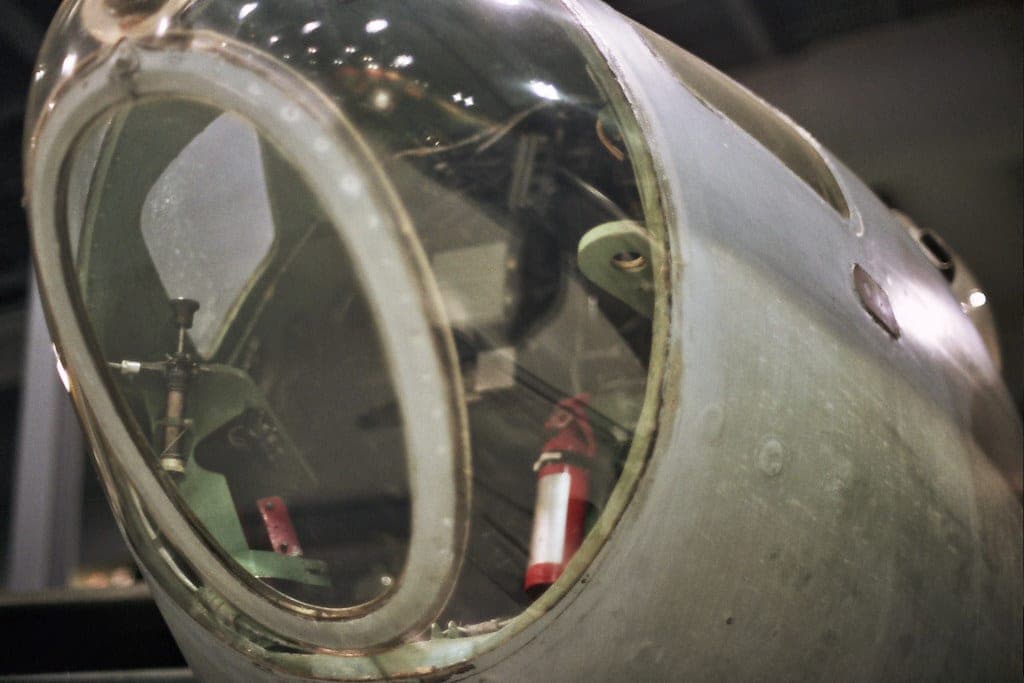
This is not a close contest for most houses, and the honest version of the answer is: buy a submersible unless something specific stops you. But the things that stop you are common enough in older homes that the pedestal category still exists, so here is the comparison in full.
Side by side
| Submersible | Pedestal | |
|---|---|---|
| Where the motor sits | In the pit, underwater, sealed | On a column above the water |
| Noise | Quiet, especially under a lid | Noticeably loud — open-air motor |
| Minimum pit size | Needs real width and depth | Fits narrow and shallow pits |
| Sealed lid possible | Yes — important for radon and humidity | No, the column passes through |
| Service access | Lift the whole wet pump out | Motor is dry and at waist height |
| Typical service life | 7–10 years | Often longer, motor stays dry |
| Cost | Slightly higher for equivalent flow | Usually slightly lower |
Quick picks
| # | Product | Best for | Score | Price |
|---|---|---|---|---|
| 1 |  Zoeller M53 Mighty-MateQuiet, sealable and the right answer in any pit that will take it. Zoeller M53 Mighty-MateQuiet, sealable and the right answer in any pit that will take it. | The submersible case | 8.6 | Check price on Amazon #ad we earn a commission · Amazon shows the current price |
| 2 | Zoeller 1084 / M84 pedestal pumpFits where nothing else will, and the motor is at waist height when you need to look at it. | The pedestal case | 8.2 | Check price on Amazon #ad we earn a commission · Amazon shows the current price |
Scores are ours and editorial, not lab measurements — see how we pick. Tap a row for the full write-up.
Zoeller M53 Mighty-Mate
Quiet, sealable and the right answer in any pit that will take it.
#ad we earn a commission · Amazon shows the current price
| Type | Submersible, cast iron |
|---|---|
| Horsepower | 3/10 HP (sold as 1/3 HP) |
| Electrical | 115 V, 9.7 A, 60 Hz |
| Discharge | 1-1/2" NPT vertical female |
| Switch | Integral vertical float, on at 7-1/4", off at 3" |
| Solids handling | 1/2" |
| Shut-off head | 19.25 ft |
| Flow, by lift | 2,580 GPH at 0 ft · 2,040 GPH at 10 ft |
| Warranty | Three years |
For the overwhelming majority of houses this is the right side of the argument. A submersible is quieter, it can be sealed under a gasketed lid, and the surrounding water carries motor heat away during long runs.
What it gets right
- Almost silent under a lid
- Motor cooled by the pit water
- Works with a sealed, radon-ready cover
Where it falls short
- Needs pit width and depth
- A wet, heavy lift when it eventually fails
Specifications from Zoeller M53 (53-0001) specification sheet.
Zoeller 1084 / M84 pedestal pump
Fits where nothing else will, and the motor is at waist height when you need to look at it.
#ad we earn a commission · Amazon shows the current price
| Type | Pedestal, motor above the water line |
|---|---|
| Horsepower | 1/2 HP |
| Electrical | 115 V, 7.3 A, 1,725 RPM |
| Discharge | 1-1/2" |
| Column height | 32 in |
| Maximum head | 15 ft |
| Flow, by lift | 3,900 GPH at 0 ft · 3,840 GPH at 10 ft |
| Warranty | Two years |
The pedestal case is narrow but real: a pit too tight for a pump body, or an owner who values being able to see and service the motor without getting wet. Outside those two cases, the noise settles it.
What it gets right
- Takes almost no floor area in the pit
- Motor never sits in water
- Easy to inspect and service
Where it falls short
- Loud
- Cannot be sealed under a lid
- Exposed float linkage
Specifications from Zoeller 84-0001 (M84) pedestal pump listing.
The three questions that decide it
- How wide is the pit? Under about 14 inches and a submersible becomes difficult; under about 11 and it becomes impossible.
- What is above the pit? A bedroom or a living room is a strong argument for a submersible, whatever else is true.
- Do you need to seal the pit? Radon mitigation requires a sealed cover, and a pedestal column cannot be sealed properly. That one is decisive.
If the answers point to a submersible, the submersible roundup is the shortlist. If they point the other way, pedestal sump pumps covers what to check before ordering.
Questions people ask
Is a pedestal pump cheaper than a submersible?
Usually a little, for comparable flow. The gap is small enough that price alone should not decide it — pit size and noise matter far more.
Which lasts longer, pedestal or submersible?
Pedestals often last longer because the motor never sits in water and seal failure does not apply. In practice, switch failure ends more pumps of both kinds than motors do.
Can I replace a pedestal pump with a submersible?
Often yes, if the pit is big enough to take the body and deep enough for the switch to work. Measure first, and expect to re-plumb the discharge connection.
Are pedestal pumps safe around children and pets?
The exposed float rod and linkage are a real consideration. A pit cover designed for a pedestal helps, but it cannot enclose the mechanism the way a submersible lid does.
Sources
Read next
The best submersible sump pumps
A submersible sits in the water it is moving, which makes it quieter, cooler and almost always the right choice — provided the pit is big enough for it.
Pedestal sump pumps: a narrow category, with two real advantages
Submersibles won this argument years ago. There are still two situations where a motor standing above the water is the right answer.
Types of sump pumps
Four categories, and most houses end up with two of them: a primary that does the work and a backup that covers the night the power fails.

What size should a sump pit be?
The hole constrains everything that goes in it. Pit dimensions rule out more pumps than horsepower ever will.

The best sump pit covers
An open pit is an evaporation surface in the middle of your basement. A lid is the cheapest humidity fix there is.