Sump pump alarms and monitors
A floor alarm tells you the pit has already lost. A monitor tells you the pump stopped cycling three days ago, which is a much more useful message.
We earn a commission if you buy through our Amazon links, at no cost to you. We do not bench-test these products and we never take free product — how we pick · affiliate disclosure
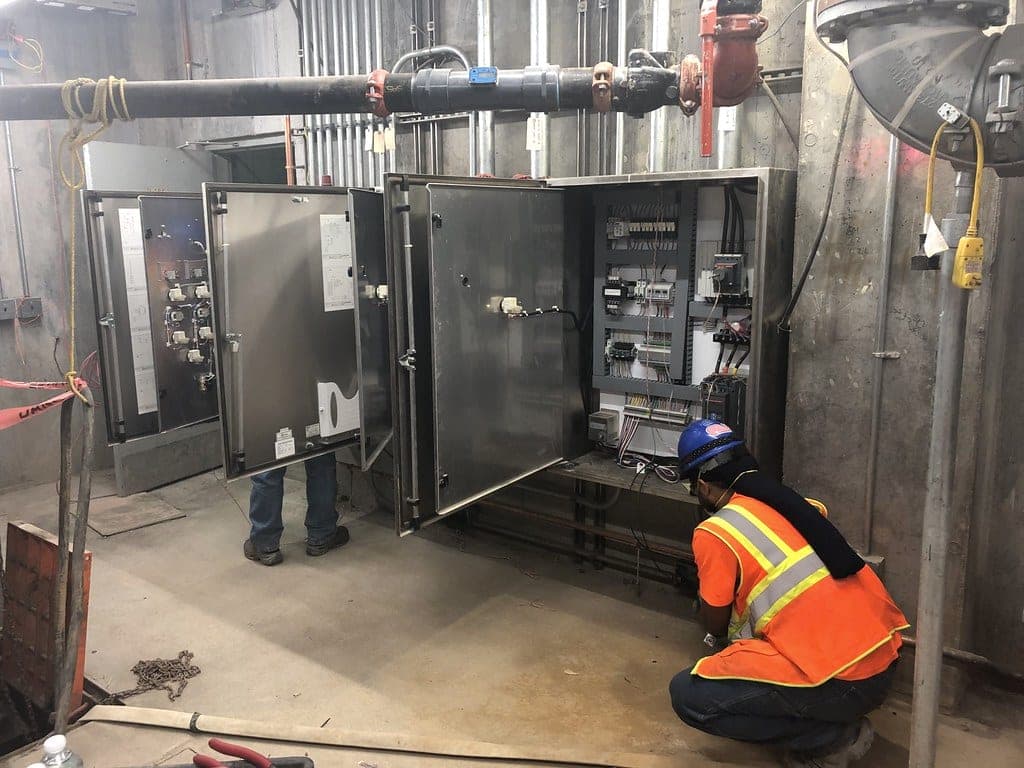
There is an important distinction in this category that product names tend to blur. A water alarm detects water that has already arrived. A pump monitor watches the pump and the pit level, and can tell you something is wrong while the floor is still dry. They are complementary, and if you only buy one, the monitor gives you more time.
What a good monitor watches
| Signal | Catches |
|---|---|
| Pit water level (own float) | A pump that has failed, whatever the reason |
| Pump power draw | A pump that is energized but not actually running |
| Cycle count over time | A dead pump, and a failed check valve causing rapid restarts |
| Monitor's own health | A dead monitor, which otherwise reads as a healthy basement |
Quick picks
| # | Product | Best for | Score | Price |
|---|---|---|---|---|
| 1 |  PumpSpy sump pump monitorMonitors pump power, cycle count and pit level, with its own float — the only one here that warns you before water arrives. PumpSpy sump pump monitorMonitors pump power, cycle count and pit level, with its own float — the only one here that warns you before water arrives. | Watching the pump itself | 9.1 | Check price on Amazon #ad we earn a commission · Amazon shows the current price |
| 2 |  YoLink Water Leak Sensor 4A LoRa sensor on the floor beside the pit, with a loud local siren and a freeze warning. YoLink Water Leak Sensor 4A LoRa sensor on the floor beside the pit, with a loud local siren and a freeze warning. | Long-range alerting without Wi-Fi in the pit | 8.8 | Check price on Amazon #ad we earn a commission · Amazon shows the current price |
| 3 | 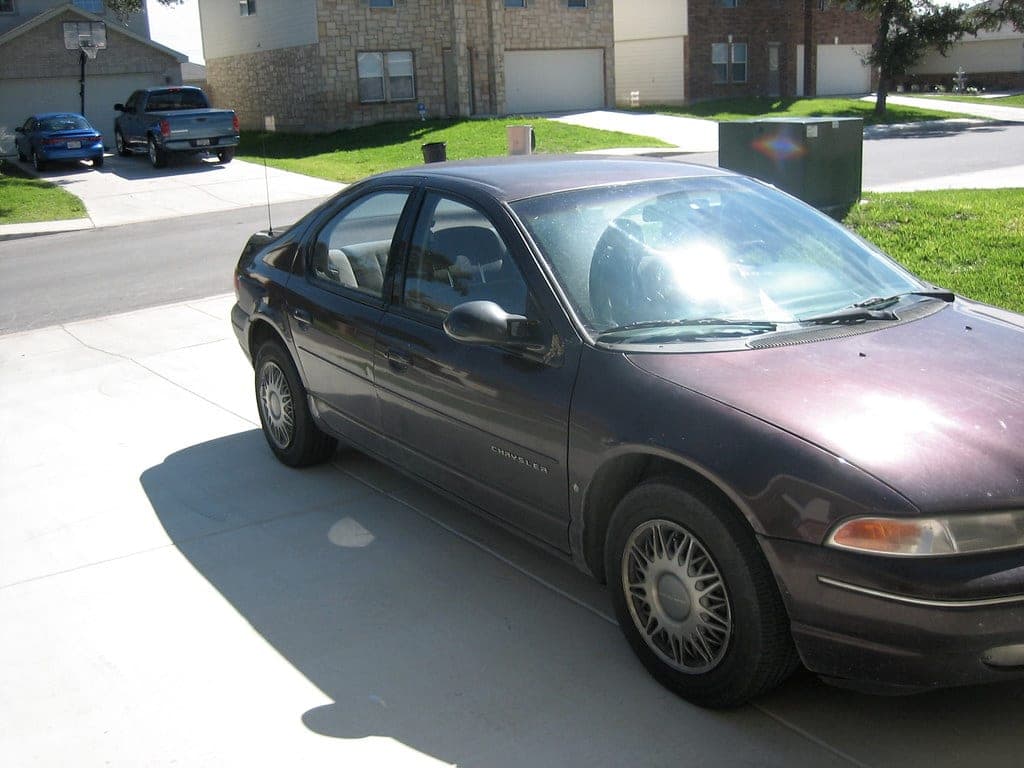 Basement Watchdog water alarmThe dumb layer underneath everything else: water on the floor, noise in the house. Basement Watchdog water alarmThe dumb layer underneath everything else: water on the floor, noise in the house. | A no-network backstop | 8.4 | Check price on Amazon #ad we earn a commission · Amazon shows the current price |
Scores are ours and editorial, not lab measurements — see how we pick. Tap a row for the full write-up.
PumpSpy sump pump monitor
Monitors pump power, cycle count and pit level, with its own float — the only one here that warns you before water arrives.
#ad we earn a commission · Amazon shows the current price
| Type | Wi-Fi sump pump monitor with its own high-water float |
|---|---|
| What it watches | Pump power, pump cycles and pit water level |
| Alerts | Push and email when the pump stops cycling or the level climbs |
Cycle counting is the clever part. A pump that has stopped cycling during wet weather has almost certainly failed, and a pump cycling every ninety seconds in dry weather has a failed check valve. Both are detectable days before they produce a flood.
The independent float matters too: a monitor that shares the pump's switch is blind to exactly the failure that is most likely.
What it gets right
- Cycle monitoring catches both a dead pump and a failing check valve
- Its own high-water float, independent of the pump's switch
- Retrofits to any existing pump
Where it falls short
- Needs Wi-Fi in the basement
- Cloud-dependent for remote alerts
Specifications from Amazon listing (search).
YoLink Water Leak Sensor 4
A LoRa sensor on the floor beside the pit, with a loud local siren and a freeze warning.
#ad we earn a commission · Amazon shows the current price
| Type | LoRa water leak sensor |
|---|---|
| Hub | A YoLink hub with an internet connection is required for app and alert features |
| Range | Long-range LoRa, quoted up to about 1,000 ft in practice |
| Local alarm | 105 dB on the sensor itself |
| Battery life | 5+ years, per YoLink |
| Ingress rating | IP66 |
| Extra | Built-in freeze warning |
This is the pragmatic option when the basement is a radio dead zone. It will not tell you the pump has stopped, but it will reliably tell you the moment water reaches the floor, from a part of the house that defeats most Wi-Fi sensors.
What it gets right
- Works where Wi-Fi does not reach
- 105 dB on the sensor, so it alarms locally with the internet down
- Freeze warning is directly relevant to discharge-line failures
Where it falls short
- Reacts to water on the floor, not to a pump that has quietly stopped
- Hub required
Specifications from YoLink Water Leak Sensor 4 product listing, YoLink leak sensor specification summary.
Basement Watchdog water alarm
The dumb layer underneath everything else: water on the floor, noise in the house.
#ad we earn a commission · Amazon shows the current price
| Type | Standalone basement water alarm with a floor sensor |
|---|---|
| Use | Sits beside the pit, not in it, so it only sounds when the pit has already lost |
Every layered setup wants a dumb bottom layer. When the broadband is down and the cloud service is having a bad day, this still makes a noise.
What it gets right
- No dependencies whatsoever
- Very cheap
- Nothing to configure
Where it falls short
- Local only
- No early warning
Specifications from Amazon listing (search).
Building a layered setup
- A pump monitor for early warning, so you learn about a failure before the water does.
- A floor alarm beside the pit that needs no network, as the backstop.
- A connected sensor if the house is ever empty, so the alert can leave the building.
- A small UPS on the router so remote alerts survive the first few minutes of an outage.
That is four inexpensive devices, and together they cover power loss, broadband loss, an empty house and a pump that failed silently in March. No single product covers all four.
Questions people ask
What does a sump pump monitor actually do?
It watches the pump and the pit — power draw, cycle frequency and water level — and alerts you when the pattern changes. That gives you warning before water reaches the floor, which a plain alarm cannot.
Do I need a monitor if I have a battery backup?
Yes, arguably more. A backup system that has failed quietly looks identical to one that is ready, and a monitor is how you find out which you have.
Will a monitor work without Wi-Fi?
Local alarms will sound; remote alerts will not. If the basement has no usable signal, a hub-based LoRa sensor is a more reliable choice than a Wi-Fi monitor.
Where should the high-water float sit?
Above the pump's switch-on level but below the floor slab, so it trips when the pump is losing ground but before water escapes the pit.
Sources
Read next
Wi-Fi sump pump backups and monitors
A backup that fails silently is not a backup. Connected monitoring is the cheapest way to find out while you can still do something.
The best basement water alarms
An alarm that needs no network, no account and no firmware update. For an occupied house it is often the most reliable thing you can buy.
The best water leak detectors
No detector stops a leak. What it stops is a leak running unnoticed for two days, which is where almost all of the damage comes from.

Sump pump maintenance checklist
Twenty minutes a year, split into four short visits, is the difference between a pump that reaches ten years and one that fails at six.
Sump pump not working: find out why before you replace it
Most dead pumps are not dead. They are unplugged, switched off by a stuck float, or sitting behind a tripped GFCI.