The best crawl space sump pumps
The constraints down here are clearance and access, not horsepower. The best pump is the one that fits the pit you can actually dig.
We earn a commission if you buy through our Amazon links, at no cost to you. We do not bench-test these products and we never take free product — how we pick · affiliate disclosure
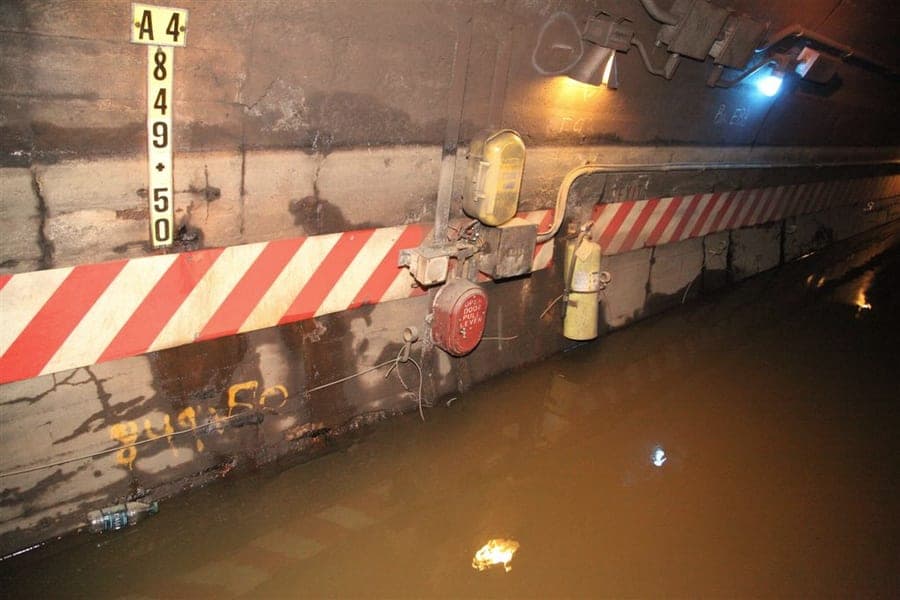
Crawl space pumping differs from basement pumping in constraints rather than principles. The water behaves identically; what changes is that you cannot stand up, the pit is usually shallow and hand-dug, and getting equipment in and out is genuinely difficult.
Digging a crawl space pit
- Find the low point. Watch where water collects after rain rather than guessing from the layout.
- Dig deeper than feels necessary. Depth is what gives the pump a useful draw-down; width is what lets the float work.
- Set a basin rather than pumping from a bare hole. Loose soil migrates into the pump and shortens its life considerably.
- Surround the basin with clean gravel so water reaches it instead of sitting in the surrounding soil.
- Cover it. An open pit in a crawl space is an evaporation source directly under the house, which undoes the vapor barrier you just laid.
Quick picks
| # | Product | Best for | Score | Price |
|---|---|---|---|---|
| 1 |  Superior Pump 92330Light, compact and automatic — the practical choice for a pit you dug by hand under a house. Superior Pump 92330Light, compact and automatic — the practical choice for a pit you dug by hand under a house. | A shallow crawl space pit | 8.6 | Check price on Amazon #ad we earn a commission · Amazon shows the current price |
| 2 | Superior Pump 91250A small utility pump for a space that floods rarely and does not justify a permanent installation. | Occasional clearing, not a permanent pit | 7.8 | Check price on Amazon #ad we earn a commission · Amazon shows the current price |
| 3 |  Zoeller M53 Mighty-MateIf the space floods regularly, install a proper pit and a proper pump — the same one you would use upstairs. Zoeller M53 Mighty-MateIf the space floods regularly, install a proper pit and a proper pump — the same one you would use upstairs. | A crawl space with a real water problem | 7.9 | Check price on Amazon #ad we earn a commission · Amazon shows the current price |
Scores are ours and editorial, not lab measurements — see how we pick. Tap a row for the full write-up.
Superior Pump 92330
Light, compact and automatic — the practical choice for a pit you dug by hand under a house.
#ad we earn a commission · Amazon shows the current price
| Type | Submersible, thermoplastic |
|---|---|
| Horsepower | 1/3 HP |
| Switch | Tethered float |
| Flow, by lift | 2,400 GPH at 0 ft |
Crawl space pumping is usually a low-volume, intermittent job: water collects after rain and needs removing. That does not call for a heavy cast-iron pump, and a heavy pump is miserable to install in a space with eighteen inches of headroom.
Weight is a genuine specification here. You have to get it in, position it, and one day get it out again, all on your stomach.
What it gets right
- Light enough to carry in and position while lying down
- Automatic tethered float means it works unattended
- Cheap enough to replace rather than repair if the pit is hostile
Where it falls short
- Thermoplastic body is not for sustained heavy duty
- Tethered float needs width, which a small hand-dug pit may not have
Specifications from Superior Pump brand listing.
Superior Pump 91250
A small utility pump for a space that floods rarely and does not justify a permanent installation.
#ad we earn a commission · Amazon shows the current price
| Type | Submersible utility pump, thermoplastic |
|---|---|
| Horsepower | 1/4 HP |
| Electrical | 120 V, 1.5 A |
| Motor | Thermally protected split capacitor |
| Flow, by lift | 1,800 GPH at 0 ft |
Honest positioning: this is a tool, not a system. For a crawl space that takes water once every few years after an exceptional storm, it is the right purchase. For one that takes water every spring, it is not.
What it gets right
- Tiny and very light
- Garden hose connection, so no plumbing
- Cheap enough to keep purely as a standby
Where it falls short
- No float — it is manual, and that is the whole limitation
- Low flow
- Not a permanent solution
Specifications from Superior Pump 91250 product listing.
Zoeller M53 Mighty-Mate
If the space floods regularly, install a proper pit and a proper pump — the same one you would use upstairs.
#ad we earn a commission · Amazon shows the current price
| Type | Submersible, cast iron |
|---|---|
| Horsepower | 3/10 HP (sold as 1/3 HP) |
| Electrical | 115 V, 9.7 A, 60 Hz |
| Discharge | 1-1/2" NPT vertical female |
| Switch | Integral vertical float, on at 7-1/4", off at 3" |
| Solids handling | 1/2" |
| Shut-off head | 19.25 ft |
| Flow, by lift | 2,580 GPH at 0 ft · 2,040 GPH at 10 ft |
| Warranty | Three years |
A crawl space with a persistent water table is not a lesser problem than a basement with one. If water arrives regularly, dig a proper pit, set a proper basin and install a pump you can rely on, even though doing it down there is harder.
What it gets right
- Cast iron and a long service life
- Published flow at real lifts
- Handles continuous duty
Where it falls short
- Heavy to install in a crawl space
- Needs a properly dug pit
- Overkill for occasional seepage
Specifications from Zoeller M53 (53-0001) specification sheet.
Discharge from a crawl space
- Out and away, at least ten feet from the foundation and onto ground that falls away. The same rule as a basement, and it matters more here because the discharge is at grade.
- Protect the line from freezing. A crawl space discharge is often shallow and exposed. See freeze protection.
- Fit a check valve, or every cycle returns part of its own water to the pit.
- Use a GFCI-protected circuit and keep the connection off the ground. Wet soil and extension cords are a bad combination.
Questions people ask
Does a crawl space need a sump pump?
Only if water collects there. If the ground is merely damp, a sealed vapor barrier and a dehumidifier handle it. Standing water after rain means you need a pit and a pump.
How deep should a crawl space sump pit be?
Deeper than you think is convenient. Depth gives the pump a usable draw-down and keeps the intake clear of silt; a shallow pit means constant short cycling.
Can I use a regular sump pump in a crawl space?
Yes, if the pit is big enough to take it and you can physically install it. The constraints are clearance and access rather than anything about the pump.
Where should a crawl space pump discharge?
At least ten feet from the foundation, onto ground that slopes away, with freeze protection on the line if your winters reach freezing.
Sources
Read next

The best crawl space vapor barriers
Bare soil evaporates into your house all year. Covering it properly is the cheapest large improvement available under a floor.
The best sump pumps, ranked by what they move at real lift
Five pumps that cover almost every residential pit, compared on the number that matters: how much water they move at the height your basement actually needs.

Sump pump freeze protection that actually works
A pump running against a plug of ice has nowhere to send water and no way to cool itself. This is the failure that takes out the pump and the basement together.

The best crawl space encapsulation kits
Good value for the materials, and consistently missing the three things that decide whether encapsulation works.

What size sump pump do I need?
Two measurements and ten minutes give you a real answer. Almost everyone skips both and buys on horsepower instead.