The best sump pit covers
An open pit is an evaporation surface in the middle of your basement. A lid is the cheapest humidity fix there is.
We earn a commission if you buy through our Amazon links, at no cost to you. We do not bench-test these products and we never take free product — how we pick · affiliate disclosure
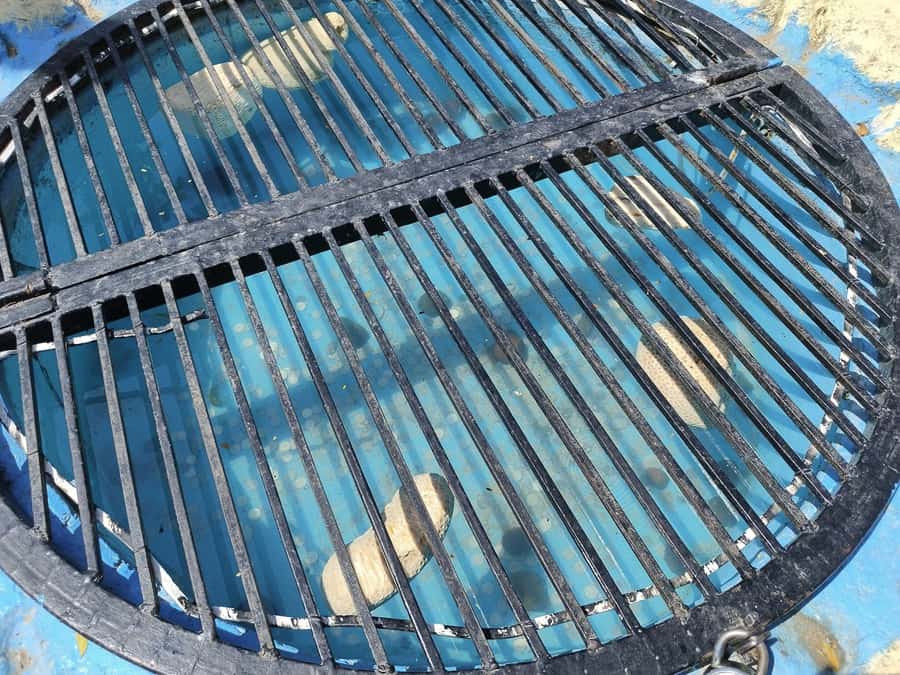
A sump pit holds standing water in an open container, in the lowest and coolest part of the house, usually for the whole year. Left uncovered it evaporates continuously into the basement air, and it is a surprisingly large contributor to the damp smell people blame on the walls.
Covering it does three useful things at once: cuts that humidity load, muffles the pump, and keeps debris, pets and small children out of the hole.
What makes a lid work
- A gasket at the rim. Without one, the lid sits on a ridge and the gap does most of the breathing.
- Grommets at the penetrations. The discharge pipe and the power cord both pass through, and both are leak paths.
- Removability. You still have to test the pump four times a year. A lid that fights you is a lid that gets left off.
- The right diameter. Basins vary. Measure the outside diameter and the rim profile before ordering.
Quick picks
| # | Product | Best for | Score | Price |
|---|---|---|---|---|
| 1 | Jackel sealed sump pit coverA gasketed lid with proper penetrations, which is all most pits need to stop breathing into the room. | Most basements | 8.6 | Check price on Amazon #ad we earn a commission · Amazon shows the current price |
| 2 |  Radon-sealed sump pit cover kitA fully sealed kit for when the pit is part of a radon system rather than just a hole with a pump in it. Radon-sealed sump pit cover kitA fully sealed kit for when the pit is part of a radon system rather than just a hole with a pump in it. | Radon mitigation | 8.6 | Check price on Amazon #ad we earn a commission · Amazon shows the current price |
Scores are ours and editorial, not lab measurements — see how we pick. Tap a row for the full write-up.
Jackel sealed sump pit cover
A gasketed lid with proper penetrations, which is all most pits need to stop breathing into the room.
#ad we earn a commission · Amazon shows the current price
| Type | Bolt-down sump pit cover with pipe and cord grommets |
|---|---|
| Fits | Basins with pre-drilled rim inserts, 18 in class |
| Why it matters | Keeps debris, pets and children out, and cuts pit humidity and odor |
The gap most lids leave is not around the rim, it is where the discharge pipe and the power cord pass through. A lid with proper grommets at those points does far more than a plain cover sitting loose on the basin.
Measure the basin's outside diameter before buying, and check that the lid can still be lifted for maintenance. A lid you cannot remove is a lid that stops you testing the pump.
What it gets right
- Gasket and grommets mean the seal is at the penetrations as well as the rim
- Still removable for the quarterly test without tools you do not own
- Cuts both humidity and pump noise in one inexpensive step
Where it falls short
- Must match the basin diameter — measure before ordering
- Not a radon-rated assembly on its own
Specifications from Amazon listing (search).
Radon-sealed sump pit cover kit
A fully sealed kit for when the pit is part of a radon system rather than just a hole with a pump in it.
#ad we earn a commission · Amazon shows the current price
| Type | Gas-tight sump cover with gasket, grommets and a vent port |
|---|---|
| Use | Sub-slab depressurization systems that draw from the sump pit |
An uncovered sump pit is a direct opening between the soil beneath the slab and the air in your house. Where radon is a concern, sealing it is not optional — it is one of the first things a mitigation contractor will do.
Note the trade: a properly sealed pit is harder to open, so set a calendar reminder for the quarterly pump test. It is now a job rather than a glance.
What it gets right
- Designed to be gas-tight, including a vent connection for the mitigation fan
- Takes the pit out of the soil-gas pathway, which an ordinary lid does not
- Usually includes the sealant and grommets the job actually needs
Where it falls short
- More involved to fit
- Access for servicing is deliberately harder
- Costs more than a plain lid
Specifications from Amazon listing (search).
Sealed pits and radon
If your house has a radon mitigation system, or you are considering one, the sump pit matters more than any other penetration in the slab. Mitigation works by depressurizing the soil below the floor and venting it outside; an open pit short-circuits that, pulling conditioned household air down into the system instead of soil gas.
A radon-rated cover is gas-tight, with a sealed pipe penetration and usually a connection for the mitigation fan. More detail is in radon sump pit covers.
Questions people ask
Should a sump pit be covered?
Yes, in essentially every case. A cover reduces humidity, cuts noise, keeps debris out of the pit and makes the basement safer. The only question is whether you need a plain lid or a radon-rated seal.
Does covering the pit affect the pump?
No. A submersible pump is cooled by the water around it, not by basement air, so a sealed lid makes no difference to its temperature.
How do I seal around the discharge pipe?
Use the grommet supplied with the lid where one exists, or a purpose-made pipe boot plus a flexible sealant rated for the material. Avoid rigid fillers, which crack as the pipe moves.
Can I still test the pump with a sealed lid?
Yes, but you have to open it. Plan for that: keep the fasteners accessible and put the quarterly test in your calendar so a slightly harder job does not become a skipped one.
Sources
Read next
Radon sump pit covers and sealing kits
If your house has a radon problem, the sump pit is usually the largest single opening between the soil and the air you breathe.

The best sump pit basins
The hole constrains everything else. Get it wrong and you spend the next decade choosing pumps around a basin that is too small.

The quietest sump pumps — and the cheaper fixes first
Most sump pump noise is not the pump. Before you buy a quieter one, it is worth knowing what is actually making the sound.

The best basement dehumidifiers with a pump
A dehumidifier manages the moisture already in the air. It does nothing about where that moisture is coming from — which is a feature, not a criticism, as long as you know it.

Sump pump maintenance checklist
Twenty minutes a year, split into four short visits, is the difference between a pump that reaches ten years and one that fails at six.