Sump pump smells like sewage
Four causes, and only one of them means what you are afraid it means. Work through them in this order.
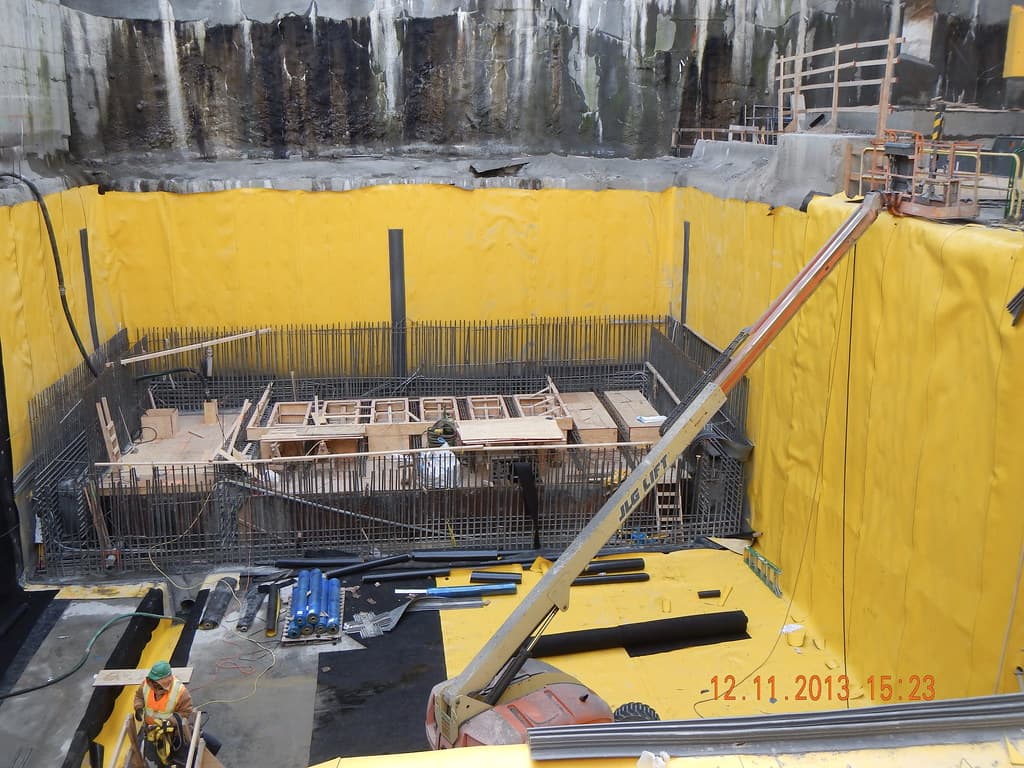
A sump pit that smells of sewage almost always has one of four causes: a dry trap on a nearby floor drain, stagnant water and sludge in the basin itself, a pit that is cross-connected to a sanitary line, or a basin that has dried out completely. Of the four, only the cross-connection is a plumbing problem that needs a professional. The other three are a weekend's work, and all four are made far less noticeable by a properly sealed lid.
Start by deciding which smell you have, because it narrows the list immediately. Musty, earthy, like an old cellar, is mold and mildew on damp surfaces. Sharp, sulfurous, unmistakably sewage is gas, and gas has to be coming from somewhere.
The four causes, in the order to check them
| Cause | Telltale sign | Fix | Difficulty |
|---|---|---|---|
| Dry trap on a nearby floor drain | Smell is worst in dry spells and after being away | Pour a few quarts of water down the drain | Five minutes, free |
| Sludge and stagnant water in the basin | Smell is strongest with the lid off; visible silt and biofilm | Clean the pit out properly | An afternoon |
| Basin dried out entirely | Pit is bone dry; smell arrived with a long dry period | Add water to re-establish the seal, then seal the lid | Ten minutes |
| Sanitary cross-connection | Smell is constant, strong, and worse when fixtures run | A plumber. Do not attempt this one | Professional |
1. The dry trap, which is the usual answer
Most basements have a floor drain somewhere near the sump, and that drain has a P-trap under it holding a plug of water. The water in the trap is the only thing standing between the sewer and your basement air. It is kept topped up by whatever drains through it — and in a basement where nothing drains for weeks, there is nothing to top it up. It evaporates, and the sewer breathes into the room.
This is why the smell is often worst after a vacation, during a long dry spell, or in a basement nobody uses. The test is as cheap as diagnosis gets: pour two or three quarts of water slowly down every floor drain in the basement and wait a day. If the smell goes, you have found it. Some floor drains also have a trap primer that has failed, in which case a plumber can restore it; for most households, pouring water down the drain every month or two is a perfectly reasonable permanent answer.
2. Sludge in the basin
A sump basin collects fine silt, iron bacteria and organic material. Over years that becomes a layer of anaerobic sludge in the bottom, and anaerobic is the operative word — bacteria working without oxygen produce exactly the sulfurous gases people identify as a sewage smell. The pit is not connected to the sewer at all; it is simply doing what a stagnant pond does.
The signature is that the smell is dramatically stronger with the lid off, and that you can see a dark, slimy coating on the basin wall and the pump body. The fix is to clean it out, which is also the right moment to inspect the pump, the float and the check valve. The full procedure is in how to clean a sump pit.
Iron bacteria deserve a mention of their own. In areas with iron in the groundwater, pits develop a rust-orange gelatinous slime that smells distinctly bad and clogs intake screens. It is not harmful and it is not sewage, but it does mean cleaning the pit more often than annually.
3. A pit that has gone completely dry
A sump basin is supposed to keep a few inches of water in the bottom. That residual water is partly there to keep the pump cool and partly to act as a seal over the gravel and soil beneath the basin. A pit that has been bone dry for months lets soil gas up through the bottom freely — and in a house with a radon system drawing from the sump, a dry pit can change how that system behaves.
If the pit is dry and the smell is new, add a couple of gallons of water and seal the lid. The correct working level is covered in how high should the water be in a sump pit.
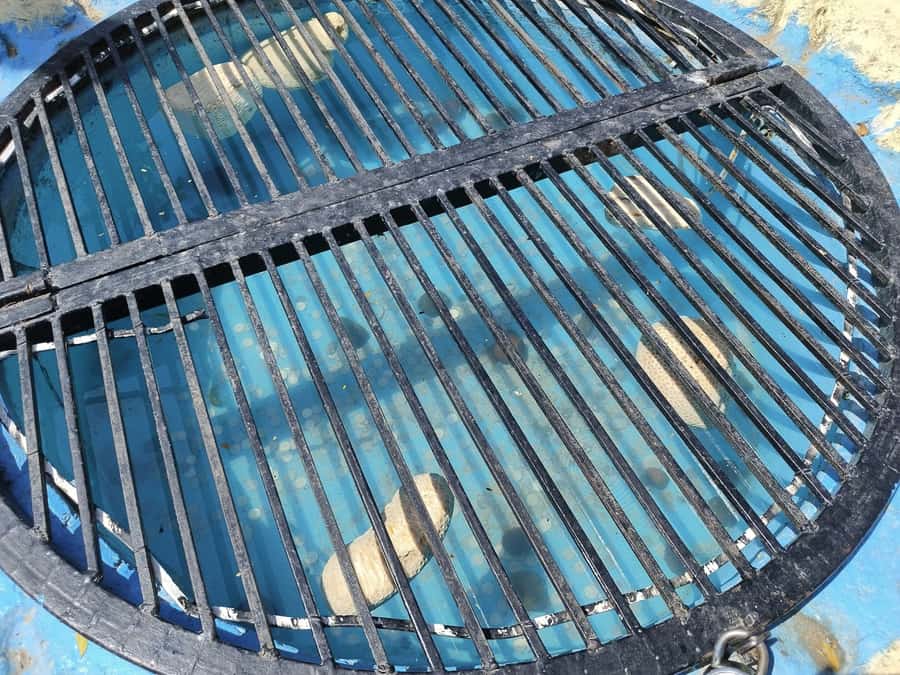
Jackel sealed sump pit cover
A bolt-down cover with pipe and cord grommets, which stops pit air reaching the room regardless of why it smells.
#ad we earn a commission · Amazon shows the current price
| Type | Bolt-down sump pit cover with pipe and cord grommets |
|---|---|
| Fits | Basins with pre-drilled rim inserts, 18 in class |
| Why it matters | Keeps debris, pets and children out, and cuts pit humidity and odor |
Whatever the underlying cause turns out to be, a sealed lid is the right purchase, because every cause on this page works the same way: gas in the pit reaches the air you breathe. Close that path and the room stops smelling while you deal with the source.
The grommets are what separate a real cover from a decorative one. A lid with a rough hole cut round the discharge pipe is a lid with a hole in it, and the pit will keep venting through it.
What it gets right
- Grommets for the discharge pipe and the pump cord, so the seal is continuous instead of nominal
- Bolts to the basin's rim inserts rather than resting loose on the hole
- Cuts pit humidity as well as odor — an open pit evaporates into the basement all year
- Keeps debris, pets and children out of an open pit
Where it falls short
- Has to match the basin's rim pattern, so measure or buy basin and cover together
- Needs to come off for service, so do not over-tighten
- It contains the smell rather than removing the cause
Specifications from Amazon listing (search).
Radon-sealed sump pit cover kit
A gas-tight cover with a gasket, grommets and a vent port, built for sub-slab depressurization systems that draw from the sump pit.

#ad we earn a commission · Amazon shows the current price
| Type | Gas-tight sump cover with gasket, grommets and a vent port |
|---|---|
| Use | Sub-slab depressurization systems that draw from the sump pit |
If your house has a sub-slab depressurization system, the sump pit is very often where it draws from, and in that case the cover is part of the radon system rather than an accessory to the pump. Fitting a non-gasketed lid to a pit on an active radon system compromises both jobs at once.
What it gets right
- Gasketed for a genuine gas-tight seal rather than a dust seal
- Has the vent port a radon system needs, so you are not drilling a finished cover
- The right answer when the smell and the radon question arrive together
Where it falls short
- More expensive and more fiddly than a standard cover
- Overkill if there is no radon system and no plan for one
- Still needs correct sealing at the rim to perform
Specifications from Amazon listing (search).
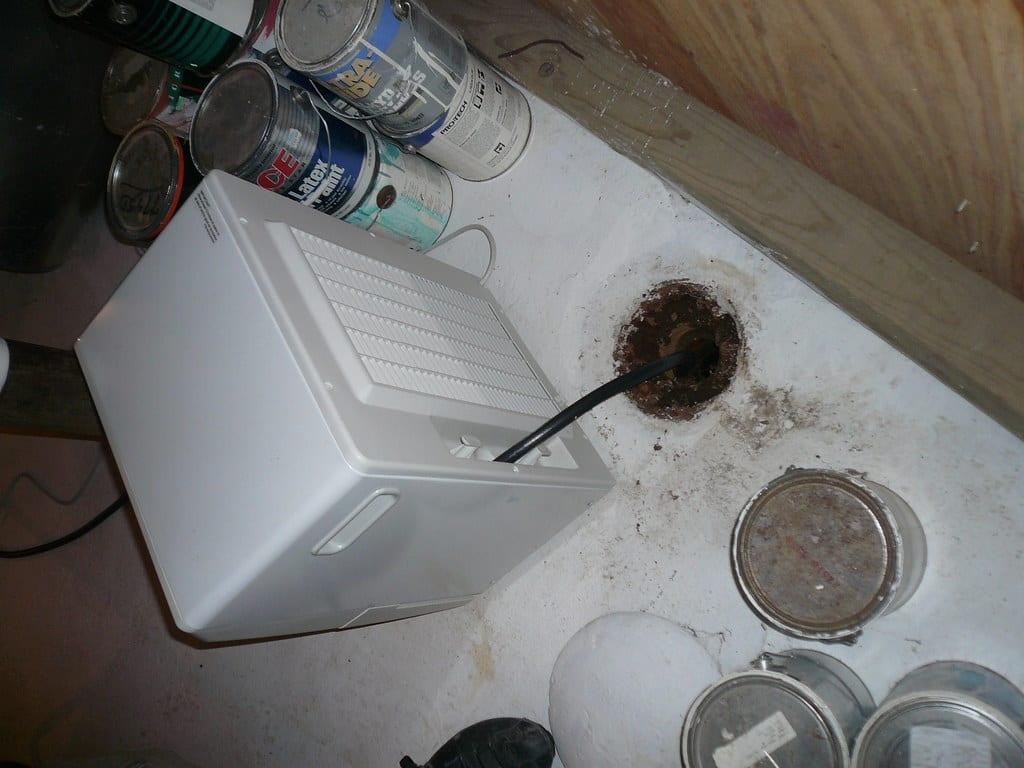
50-pint basement dehumidifier with pump
A portable dehumidifier with an internal condensate pump, so it lifts water to a sink or window instead of filling a bucket you forget to empty.
#ad we earn a commission · Amazon shows the current price
| Type | Portable dehumidifier with an internal condensate pump |
|---|---|
| Why the pump matters | It lifts the condensate to a laundry sink or a window, so you are not emptying a bucket |
Be honest about which smell you have. Musty and earthy is mold and mildew on damp surfaces, and that is a humidity problem with a humidity solution. Sharp, sulfurous and recognizably sewage is a different cause and this is the wrong purchase for it.
If it is musty, the number to aim at is 50 to 55% relative humidity, and the reasoning behind that figure is in basement humidity level.
What it gets right
- The built-in pump means it runs unattended instead of stopping when the tank fills
- Holds the space low enough that mold and mildew growth stops, which is what most basement smells actually are
- Portable, so it can follow the problem
Where it falls short
- Does nothing about a genuine sewer gas smell — wrong tool for that cause
- Runs continuously in a wet basement, which is a real energy cost
- A 50-pint class unit will struggle in a very large or very wet space
Specifications from Amazon listing (search).
4. A genuine cross-connection — and when to stop
What to do this weekend
- Pour water down every basement floor drain. Free, five minutes, and it solves the most common case outright.
- Lift the lid and look. Dark slime and silt mean the pit needs cleaning. Bone dry means it needs water.
- Clean the basin properly if it needs it, and inspect the pump, float and check valve while you are in there.
- Fit a grommeted, bolt-down cover. It closes the path from pit air to room air and cuts humidity as a bonus.
- Run a dehumidifier at 50 to 55% relative humidity if the residual smell is musty rather than sewage-like.
- Call a plumber if the smell is strong, constant, and tracks with fixture use.
Questions people ask
Why does my sump pump smell like sewage?
Most often a dry P-trap on a nearby basement floor drain: the water plug that blocks sewer gas has evaporated because nothing drains through it. The other causes are anaerobic sludge in the basin itself, a pit that has dried out and lost its water seal over the soil, and — rarely — a genuine cross-connection to a sanitary line, which needs a plumber.
How do I get rid of the smell from my sump pit?
In order: pour a few quarts of water down every basement floor drain, clean sludge and standing silt out of the basin, keep a few inches of water in the pit, and fit a bolt-down cover with grommets for the pipe and cord. If a musty smell remains, run a dehumidifier at 50 to 55% relative humidity.
Is sewer smell from a sump pump dangerous?
Sewer gas is unpleasant and, at high concentrations, harmful. The common causes here are a dry trap or stagnant pit water rather than a live sewer connection, and both are straightforward to fix. If the smell is strong, constant and worse when fixtures run, treat it as a plumbing fault and get it looked at rather than masking it.
Should I pour bleach in my sump pit?
No. Bleach is hard on pump seals and impellers, does nothing about the most common cause, and only substitutes a chlorine smell for a few days. Clean the basin mechanically and seal the lid instead.
Why does the smell get worse when it rains?
Rain raises the groundwater, which stirs up settled sludge in the basin and pushes pit air out as the water level rises. A rising level in an uncovered pit effectively pumps basin air into the room. A sealed cover with grommets largely removes that effect.
Sources
Read next

How to clean a sump pit
An afternoon, once a year. It is also the only time you will ever get a proper look at the parts that keep your basement dry.

The best sump pit covers
An open pit is an evaporation surface in the middle of your basement. A lid is the cheapest humidity fix there is.
What basement humidity level is safe?
One number answers most of this question, and the number is lower than most basements ever reach on their own.

How high should the water be in a sump pit?
Not empty. A pump that pulls its pit dry is not being thorough, it is running on air and wearing out its seal.

Sump pump vs sewage ejector pump
Three pumps that look alike and are not interchangeable. The dividing line is what the water has in it, not how much water there is.
The best sump pumps for iron ochre
Orange slime in the pit is a living thing, and it will find the cheapest moving part in your sump system. Buy for solids handling and a switch it cannot seize.