The best vapor barrier for basement walls
The most-searched product in this category is also the one most likely to trap water inside your wall. Here is what the job really needs.
We earn a commission if you buy through our Amazon links, at no cost to you. We do not bench-test these products and we never take free product — how we pick · affiliate disclosure
For a basement wall, the best product is DRYLOK Extreme Masonry Waterproofer, not a sheet vapor barrier at all. It is rated to 15 PSI of hydrostatic pressure under ASTM D-7088, builds to a 17 mil dry film over two coats, and carries a 15-year transferable warranty — and critically, it still lets the wall dry inward. Reinforced 10-mil polyethylene, which is what most people searching this phrase are about to buy, belongs on a crawl-space floor and crawl-space walls, not stapled to the inside of a basement wall you intend to finish.
That is an unpopular answer, so here is the reasoning, and the cases where sheet poly genuinely is the right call.
Quick picks
| # | Product | Best for | Score | Price |
|---|---|---|---|---|
| 1 |  DRYLOK Extreme Masonry WaterprooferA latex masonry waterproofer rated to 15 PSI of hydrostatic pressure under ASTM D-7088, with a 15-year transferable warranty from UGL. | A bare masonry wall on the inside | 9.0 | Check price on Amazon #ad we earn a commission · Amazon shows the current price |
| 2 |  Dimpled foundation drainage membraneA dimpled HDPE air-gap membrane that holds a drainage channel against the foundation so water runs down to the footing drain instead of into the wall. | Doing it properly, from outside | 8.5 | Check price on Amazon #ad we earn a commission · Amazon shows the current price |
| 3 |  10-mil reinforced crawl-space vapor barrierReinforced 10-mil polyethylene — the right product for the ground and for crawl-space walls, and the wrong product stapled to a finished basement wall. | A crawl space wall, or ground beneath the wall | 8.0 | Check price on Amazon #ad we earn a commission · Amazon shows the current price |
| 4 | 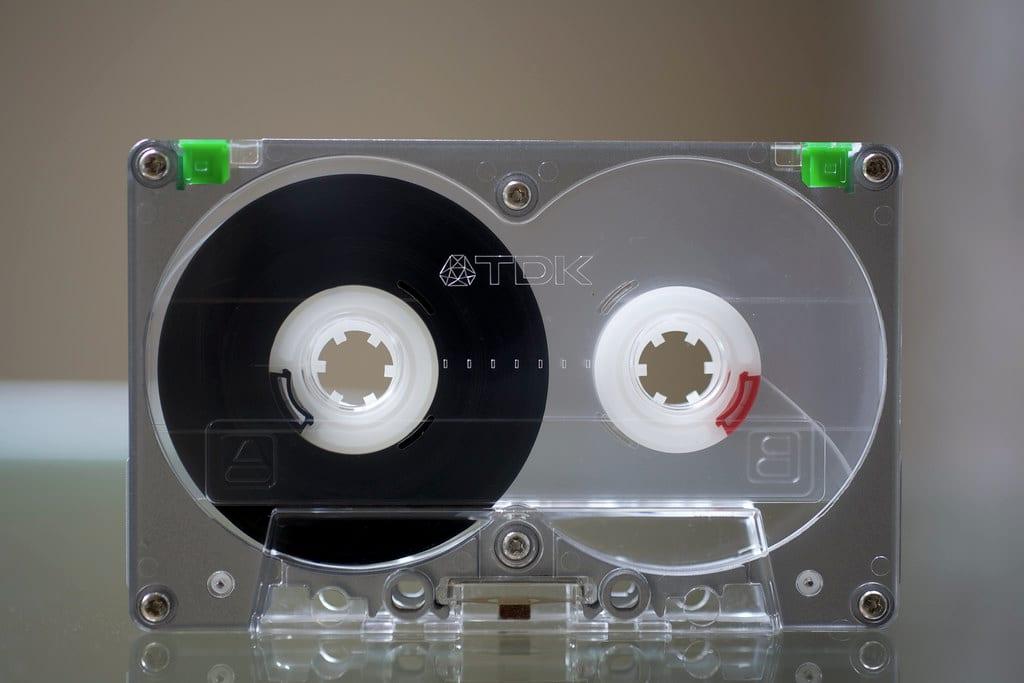 Crawl-space seam tapeWide polyethylene seam tape, which is the difference between a vapor barrier and a collection of overlapping sheets. | Making a barrier actually continuous | 8.7 | Check price on Amazon #ad we earn a commission · Amazon shows the current price |
Scores are ours and editorial, not lab measurements — see how we pick. Tap a row for the full write-up.
Vapor barrier, damp-proofing and waterproofing are three different jobs
| Product class | Stops | Does not stop | Where it belongs |
|---|---|---|---|
| Vapor barrier (sheet poly) | Water vapor diffusing through a surface | Liquid water under pressure | Crawl-space ground and walls; under slabs |
| Masonry waterproofer (coating) | Liquid water and vapor through sound masonry | Water arriving through a crack or a failed joint | Bare interior basement walls |
| Hydraulic cement / crack repair | Water coming through a specific hole or crack | General wall dampness | The individual defect, before any coating |
| Dimpled drainage membrane | Water reaching the wall at all | Nothing much — but it needs a footing drain | The exterior face of the foundation |
Almost every disappointing basement wall project is a mismatch in that table: a coating applied over an unrepaired crack, or sheet poly used where a coating was needed. Identify which row your wall belongs to before buying anything.
Why sheet poly on an interior basement wall usually backfires
A concrete or block foundation wall is in permanent contact with damp soil, and masonry moves moisture. In an unfinished basement, that moisture arrives at the inside face and evaporates into the room, which is why basements feel humid and why a dehumidifier is standard equipment.
- Put an impermeable sheet on the inside face and the moisture still arrives — it just has nowhere to go. It accumulates behind the plastic.
- Then frame and insulate over it and you have created a cool, dark, permanently damp cavity with organic material in it. That is the classic moldy finished basement.
- A coating behaves differently. It resists liquid water and slows vapor while remaining part of the masonry, so the wall can still dry toward the room.
- The exception is a deliberate, designed assembly — rigid foam against the masonry with a specified vapor-control layer in a specified place. That is a building-science decision, not a product purchase, and it is worth professional input.
DRYLOK Extreme Masonry Waterproofer
A latex masonry waterproofer rated to 15 PSI of hydrostatic pressure under ASTM D-7088, with a 15-year transferable warranty from UGL.
#ad we earn a commission · Amazon shows the current price
| Type | Latex masonry waterproofer for interior and exterior masonry |
|---|---|
| Hydrostatic resistance | 15 PSI, tested to ASTM D-7088 |
| Coverage | 75 sq ft/gal first coat, 75 to 100 sq ft/gal second coat |
| Film build | 13 to 21 mils wet per coat; 17 mils dry minimum over two coats |
| Mildew | Biocide in the film to resist mildew growth on the dry paint |
| Shelf life | 5 years unopened |
| Warranty | 15 years, fully transferable, per UGL |
For an interior basement wall, this is the product that does the job people think a vapor barrier does. It is a coating, not a sheet, and that distinction is the whole point: it stops liquid water and resists vapor while still allowing the wall to dry inward rather than sealing moisture inside the masonry.
The specification worth reading is the ASTM D-7088 figure. 15 PSI of hydrostatic resistance is a measured laboratory number against a standard test, which is rare in this aisle — most masonry coatings are sold on adjectives. Fifteen PSI corresponds to a substantial head of water, which is why this is the pick for a wall that gets genuinely wet rather than merely damp.
The honest limits: it is a surface treatment on the inside of the wall. If water is coming through a specific crack under pressure, the crack gets fixed first — see how to seal basement wall cracks — and if the wall is wet because the grade outside sheds water toward the house, no interior coating will solve that. Coverage is also low by design. The film has to reach 17 dry mils, so plan on a lot of product and two full coats.
What it gets right
- 15 PSI hydrostatic resistance, tested to ASTM D-7088 — a published, repeatable test rather than a claim
- Film build of 13 to 21 mils wet per coat, with a 17 mil dry minimum over two coats
- Biocide in the dry film to resist mildew growth on the paint itself
- 15-year fully transferable warranty, per UGL
- Coverage specified at 75 sq ft per gallon on the first coat
Where it falls short
- Coverage is low because the film has to be thick — budget far more product than a normal paint job
- Needs bare, clean, unsealed masonry; it will not bond over old paint or efflorescence
- Two coats are not optional if you want the rated performance
- Does nothing about water arriving from outside under pressure through a crack
Specifications from DRYLOK Extreme product data sheet, DRYLOK Extreme product page.
Dimpled foundation drainage membrane
A dimpled HDPE air-gap membrane that holds a drainage channel against the foundation so water runs down to the footing drain instead of into the wall.
#ad we earn a commission · Amazon shows the current price
| Type | Dimpled HDPE air-gap membrane for exterior foundation walls |
|---|---|
| How it works | Holds an air gap against the wall so water runs down to the footing drain |
| Reality check | Installing it means excavating to the footing, so this is a renovation item, not a weekend fix |
This is the correct answer to the question and the wrong answer to most people's circumstances, which is why it sits second rather than first. Water pressure acts on the outside of a foundation wall. Everything you do on the inside is managing the consequences; a dimpled membrane on the outside manages the cause.
The mechanism is worth understanding even if you never install one. The dimples hold the sheet slightly off the concrete, creating a continuous vertical air gap. Water that reaches the wall runs down that gap to the footing drain instead of sitting against the masonry and being drawn through it. A flat sheet of plastic against the wall does the opposite — it holds the water there.
If you are already excavating for other reasons, or building new, this is where the budget belongs. The trade-off against interior work is laid out in interior vs exterior waterproofing.
What it gets right
- Attacks the problem on the wet side of the wall, which is the only place it can be solved permanently
- The dimples hold a permanent air gap, so water is drained rather than dammed
- HDPE does not rot, and it is not relying on adhesion to damp masonry
- Protects any coating or damp-proofing underneath it from backfill damage
Where it falls short
- Installing it means excavating to the footing — this is a renovation, not a weekend
- Only works if there is a functioning footing drain for the water to reach
- Cost is dominated by the excavation, not the material
- Not an option at all for an interior-only project
Specifications from Amazon listing (search).
10-mil reinforced crawl-space vapor barrier
Reinforced 10-mil polyethylene — the right product for the ground and for crawl-space walls, and the wrong product stapled to a finished basement wall.
#ad we earn a commission · Amazon shows the current price
| Type | Reinforced polyethylene ground vapor barrier |
|---|---|
| Thickness | 10 mil, the usual floor for a crawl space you will ever crawl on |
| Use | Full ground cover, lapped and taped, run up the walls and sealed |
We include this because it is what most people searching for a basement wall vapor barrier end up buying, and it has a real and important job — just not usually that one. On a crawl-space floor and up the crawl-space walls, taped and sealed, reinforced 10-mil poly is the highest-value material in this entire category.
On the inside of a basement wall that you intend to frame and finish, sheet poly is a different proposition. Masonry holds and releases moisture; a continuous impermeable sheet on the warm side gives that moisture nowhere to go and creates a surface for condensation. If the wall needs treating, treat it with a coating that resists water while allowing inward drying. If you are encapsulating a crawl space, this is the material — see the best crawl space vapor barriers.
What it gets right
- 10 mil reinforced polyethylene, thick enough to survive being crawled on
- The single highest-value material in a crawl space when laid on the ground and run up the walls
- Cheap per square foot relative to coatings
- Lapped and taped, it is a genuine vapor barrier
Where it falls short
- On an interior basement wall it can trap moisture inside the assembly rather than stopping it
- Only works as well as its seams — an untaped lap is the first failure point
- Does nothing about liquid water under pressure
- Needs mechanical fastening and sealant at the top edge
Specifications from Amazon listing (search).
Crawl-space seam tape
Wide polyethylene seam tape, which is the difference between a vapor barrier and a collection of overlapping sheets.
#ad we earn a commission · Amazon shows the current price
| Type | Wide polyethylene seam tape for lapping vapor barrier sheets |
|---|---|
| Why it matters | An untaped lap is the first place the barrier fails |
Every untaped lap, pier wrap and pipe penetration in a vapor barrier is a hole. Vapor does not need a big one. Buying the barrier and skipping the tape is the most common way a correctly-specified material underperforms, and the tape is a small fraction of the material cost.
What it gets right
- A taped lap is a barrier; an untaped lap is a gap with a sheet near it
- Wide format, so it spans the lap properly instead of bridging the edge
- Cheap relative to the barrier it is protecting
Where it falls short
- Needs a clean, dry surface to bond to, which is the hard part in a crawl space
- Easy to under-buy — a whole crawl space needs far more than people estimate
Specifications from Amazon listing (search).
Where sheet poly genuinely is the right answer
Three places, without hesitation. On the ground in a crawl space, where bare soil is the single largest moisture source under a house. Up the crawl-space walls, sealed to the barrier on the ground, which is how an encapsulation becomes continuous. And under a new slab, where it is the standard detail. In all three the barrier is on the wet side of the assembly, which is where a vapor barrier belongs.
If that is your project, the material and the thickness arguments are in the best crawl space vapor barriers, and the install sequence is in how to install a crawl space vapor barrier.
Doing a basement wall in the right order
- Fix the outside first, as far as you cheaply can. Extend the downspouts, correct the grade so it falls away from the house, and clear the window wells. This is free or nearly free and it removes more water than any product.
- Repair defects individually. A running crack gets hydraulic cement or an injection kit, not a coat of paint over the top. See the best basement crack repair kits.
- Prepare the surface honestly. Bare, clean, unpainted masonry. Remove efflorescence and loose material. A coating that cannot bond will not perform regardless of its rating.
- Apply two full coats of masonry waterproofer and respect the published coverage. DRYLOK Extreme specifies 75 sq ft per gallon on the first coat for a reason — thin it out and the film never reaches its rated thickness.
- Then manage the humidity that remains. A dehumidifier holding the space at 50 to 55% relative humidity finishes the job no coating can.
Questions people ask
What is the best vapor barrier for basement walls?
For the inside face of a basement wall, the best product is not a vapor barrier but a masonry waterproofer — DRYLOK Extreme, rated to 15 PSI of hydrostatic pressure under ASTM D-7088 and building to a 17 mil dry film over two coats. It resists water while still allowing the wall to dry inward. Reinforced 10-mil polyethylene sheet belongs on crawl-space ground and walls instead.
Should I put plastic on my basement walls?
Generally no, not on the inside face of a wall you intend to frame and finish. Masonry moves moisture continuously, and an impermeable sheet on the warm side traps that moisture in the assembly rather than stopping it. Use a masonry waterproofing coating, or design the whole wall assembly deliberately with professional input.
What thickness vapor barrier do I need?
For crawl-space ground cover, 10 mil reinforced polyethylene is the sensible floor — thinner sheet tears under foot traffic. Thickness is only half the question: an untaped lap or an unsealed pipe penetration defeats any thickness, so budget seam tape generously.
Does DRYLOK Extreme work on a wall with hydrostatic pressure?
It is rated to 15 PSI of hydrostatic pressure under ASTM D-7088, which covers a substantial head of water on sound, properly prepared masonry. It does not fix water arriving through a crack or a failed joint, and it cannot substitute for drainage on a wall that weeps continuously in wet weather.
Is an exterior membrane worth the excavation?
If you are already digging, or building new, yes — it addresses water on the wet side of the wall, which is the only permanent fix. As a standalone project the cost is dominated by excavation rather than material, so most homeowners with an existing wet wall are better served by interior drainage plus a coating.
Sources
Read next

The best basement waterproofing paint
These products work on exactly one problem. Used on the right wall they are excellent; used on the wrong one they peel off within a year.
Foundation waterproofing membranes
Every interior product manages water that has already reached the wall. A membrane stops it getting there, which is why it is the only permanent answer to pressure.
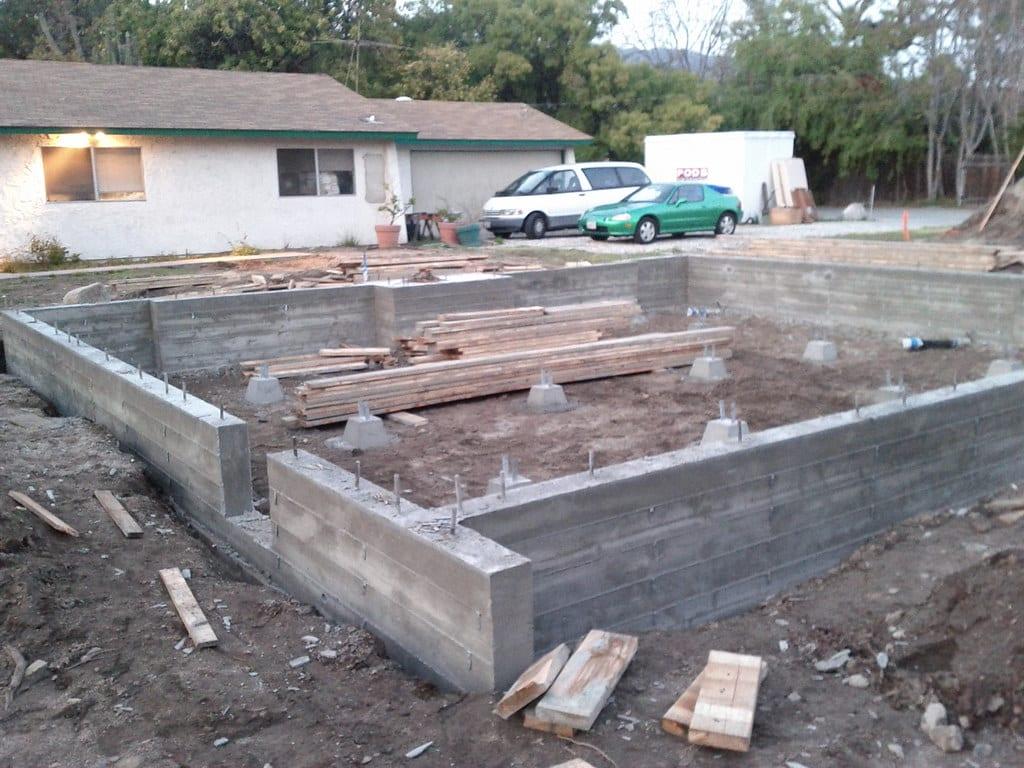
How to waterproof a basement
Start outside. A startling share of wet basements are fixed with a ladder and an afternoon, and no product at all.
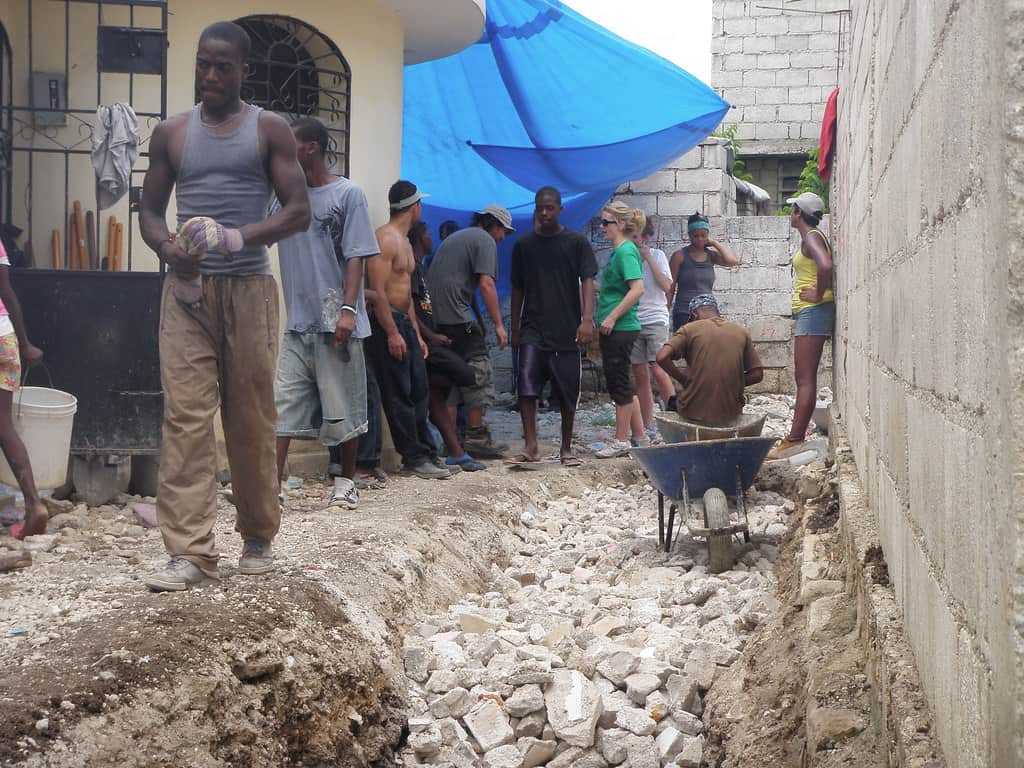
Interior vs exterior basement waterproofing
One manages water that has reached the wall. The other stops it arriving. They solve different problems and the sales pitch rarely says so.
The best crawl space vapor barriers
Bare soil evaporates into your house all year. Covering it properly is the cheapest large improvement available under a floor.