Interior vs exterior basement waterproofing
One manages water that has reached the wall. The other stops it arriving. They solve different problems and the sales pitch rarely says so.
We earn a commission if you buy through our Amazon links, at no cost to you. We do not bench-test these products and we never take free product — how we pick · affiliate disclosure
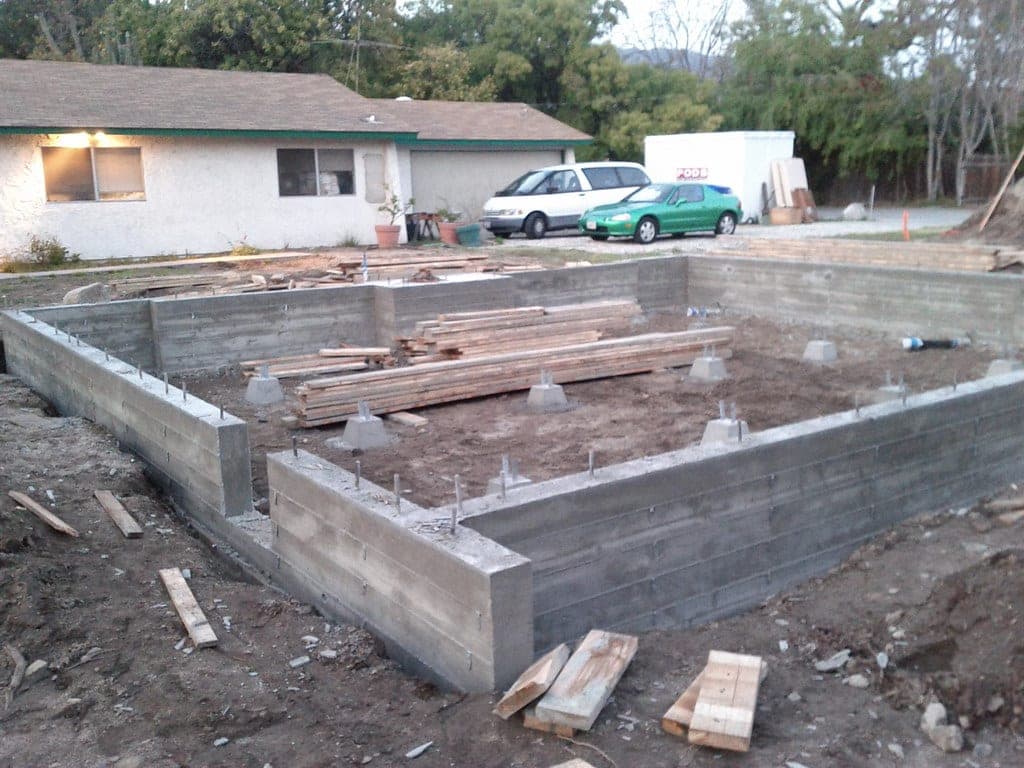
The two approaches are frequently presented as alternatives by people selling one of them. They are better understood as acting at different points: exterior work stops water reaching the wall, interior work manages water that already has.
Side by side
| Interior (drain tile + coating) | Exterior (excavation + membrane) | |
|---|---|---|
| What it does | Collects water at the footing and pumps it out | Stops water reaching the wall |
| Where the work happens | Inside: the slab perimeter is cut | Outside: excavation to the footing |
| Disruption | Dust, noise, floor removal inside | Landscaping, driveway, access outside |
| Cost | Lower | Substantially higher |
| The wall still gets wet | Yes | No |
| Works in a tight site | Yes | Often impossible |
| Needs a sump pump | Always | Usually |
| Lifespan | Long, with a pump that must be maintained | Decades, largely passive |
When interior is the right call
- Access outside is blocked by a driveway, a patio, mature trees or a neighboring building.
- Budget is the constraint, and it usually is.
- The water is arriving at the footing rather than through the upper wall.
- You already have a sump pit and a working pump, which is half the system.
When exterior is worth it
- You are already excavating for a sewer lateral, underpinning or landscaping. The marginal cost while the trench is open is far lower.
- The wall itself is deteriorating from constant saturation, which interior work does not stop.
- The footing drain has failed and needs replacing anyway.
- You want the wall to stay dry, not merely the floor — which matters if the basement is or will be finished.
Dimpled foundation drainage membrane
A dimpled membrane and a working footing drain, which stops water reaching the wall at all.

#ad we earn a commission · Amazon shows the current price
| Type | Dimpled HDPE air-gap membrane for exterior foundation walls |
|---|---|
| How it works | Holds an air gap against the wall so water runs down to the footing drain |
| Reality check | Installing it means excavating to the footing, so this is a renovation item, not a weekend fix |
The engineering answer. The reason it is not the usual answer is cost and access, not effectiveness.
What it gets right
- Addresses the cause
- Decades of service
- Fixes the wall from the correct side
Where it falls short
- Excavation
- Expensive
- Needs a functioning footing drain
Specifications from Amazon listing (search).
DRYLOK Extreme Masonry Waterproofer
For dampness and seepage, an interior coating is the proportionate response.

#ad we earn a commission · Amazon shows the current price
| Type | Latex masonry waterproofer for interior and exterior masonry |
|---|---|
| Hydrostatic resistance | 15 PSI, tested to ASTM D-7088 |
| Coverage | 75 sq ft/gal first coat, 75 to 100 sq ft/gal second coat |
| Film build | 13 to 21 mils wet per coat; 17 mils dry minimum over two coats |
| Mildew | Biocide in the film to resist mildew growth on the dry paint |
| Shelf life | 5 years unopened |
| Warranty | 15 years, fully transferable, per UGL |
Not a competitor to drainage — a different layer of the same system, for a different symptom.
What it gets right
- Cheap
- DIY
- Effective on the problem it is for
Where it falls short
- Not a pressure solution
- Bare masonry only
Specifications from DRYLOK Extreme product data sheet, DRYLOK Extreme product page.
Reading a contractor's quote
- Ask what they think the water source is, specifically. A quote that does not name a cause is selling a system rather than a diagnosis.
- Ask whether they looked at the gutters and grading. Anyone who skips the free fixes is not diagnosing.
- Check whether a sump pump and pit are included in an interior quote. They are not optional and they are a meaningful line item.
- Get two quotes, and prefer the one that explains the mechanism rather than the one with the better brochure.
Questions people ask
Which is better, interior or exterior waterproofing?
Exterior addresses the cause and lasts longer; interior costs far less and works where excavation is impossible. For most houses the interior approach plus a reliable pump is the proportionate answer.
Does interior waterproofing actually work?
Yes, for its purpose: collecting water at the footing and removing it. It does not keep the wall itself dry, which matters if you are finishing the basement.
How disruptive is interior drain tile?
A trench is cut around the inside perimeter of the slab, so expect concrete dust, noise and the removal of anything along the walls, including finished surfaces.
Do I still need a sump pump with exterior waterproofing?
Usually. The membrane directs water to the footing drain, which still has to discharge somewhere — to daylight if the ground falls away, otherwise to a pit and a pump.
Sources
Read next
Foundation waterproofing membranes
Every interior product manages water that has already reached the wall. A membrane stops it getting there, which is why it is the only permanent answer to pressure.
How to waterproof a basement
Start outside. A startling share of wet basements are fixed with a ladder and an afternoon, and no product at all.

Basement waterproofing cost
The range runs from two downspout extensions to a full excavation. Understanding which end you are at is worth more than any national average.

The best basement waterproofing paint
These products work on exactly one problem. Used on the right wall they are excellent; used on the wrong one they peel off within a year.
The best sump pumps, ranked by what they move at real lift
Five pumps that cover almost every residential pit, compared on the number that matters: how much water they move at the height your basement actually needs.