Sump pump float switch not working
If a pump has stopped doing its job, the switch is more likely to blame than the motor — and it is a fraction of the price.

Float switches fail in two directions, and they are not equally urgent. Stuck off means the pump never starts and the pit overflows. Stuck on means the pump never stops, runs dry, and destroys itself. If you find a pump running with an empty pit, unplug it immediately.
Test it in two minutes
- Bypass the switchUnplug the piggyback assembly and plug the pump directly into the outlet. If the pump runs, the motor is fine and the switch is the fault. This single test answers the question.
- Lift the float by handWith the pump reconnected normally, raise the float. The pump should start. Lower it and the pump should stop. Both halves matter.
- Watch it through a real cyclePour a bucket in and watch. Look for the float touching the basin wall, the pump body or the discharge pipe at any point in its travel.
- Check the tetherOn a tethered switch, make sure the cord has not wound itself around the discharge pipe. It happens slowly over months and looks perfectly normal at a glance.
Common causes, and which are fixable
| Cause | Fixable? |
|---|---|
| Float caught on the basin wall | Yes — reposition the pump or shorten the tether |
| Tether wrapped around the discharge pipe | Yes — free it and reroute |
| Debris or sludge binding the float rod | Yes — clean the pit |
| Waterlogged float | No — replace the switch |
| Worn internal contacts | No — replace the switch |
| Pit too narrow for the switch type | Change switch type, not just the switch |
Basement Watchdog BWC1 dual float switch
Two floats in a piggyback assembly, so the next stuck float does not take the pump offline.
#ad we earn a commission · Amazon shows the current price
| Type | Piggyback dual float switch with a controller |
|---|---|
| Redundancy | Two floats, so one stuck float does not stop the pump |
| Trigger | Activates when water raises the float about 1/3" |
| Run-on | Controller runs the pump about 10 extra seconds after the float drops |
If you are replacing a failed switch anyway, replacing it with two is the obvious upgrade. The dominant failure mode in this whole system is a single stuck float.
What it gets right
- Plugs in between pump and outlet
- Dual floats
- Cheap
Where it falls short
- Needs pit width
- Still mechanical
Specifications from Basement Watchdog BWC1 switch listing.
LevelGuard Z24800A1Z solid-state switch
Solid state: no float, no pivot, nothing to stick.
#ad we earn a commission · Amazon shows the current price
| Type | Solid-state field-effect level sensing, no float and no moving arm |
|---|---|
| Orientation | Vertical, so it needs very little horizontal space in the pit |
If this is the second or third switch you have replaced in the same pit, the pit is telling you something. A solid-state switch removes the mechanical failure mode entirely.
What it gets right
- No moving parts
- Fits the narrowest pits
- Consistent switching levels
Where it falls short
- Costs more
- Electronics in a wet pit
Specifications from Amazon listing (search).
Fitting a piggyback switch
- Unplug everything at the outlet before you start.
- Mount or position the new switch so the float has clear travel through its full range, away from the wall and the pipe.
- Set the levels: the pump should start before water reaches the pit rim by a comfortable margin, and stop with water still above the intake so it never runs dry.
- Plug the pump into the switch, and the switch into the outlet.
- Test with a bucket. Confirm it starts, and confirm it stops. Then test again.
Questions people ask
How do I know if my float switch is bad?
Plug the pump directly into the outlet, bypassing the switch. If the pump runs, the motor is healthy and the switch has failed. That one test settles it.
Can I replace a float switch without replacing the pump?
Usually yes. A piggyback switch plugs in between the pump and the outlet and requires no work on the pump itself.
How long do float switches last?
Two to seven years depending on type, cycle frequency and pit conditions. It is entirely normal to replace a switch once or twice during a pump's life.
Why does my float keep sticking?
Usually the pit is too narrow for the switch type, or sludge is binding the mechanism. If it is a repeat problem, change to a vertical or solid-state switch rather than fitting another tether.
Sources
Read next

The best sump pump float switches
Motors rarely die first. Switches do — and unlike a motor, a switch is a part you can replace in twenty minutes for the price of a takeout meal.
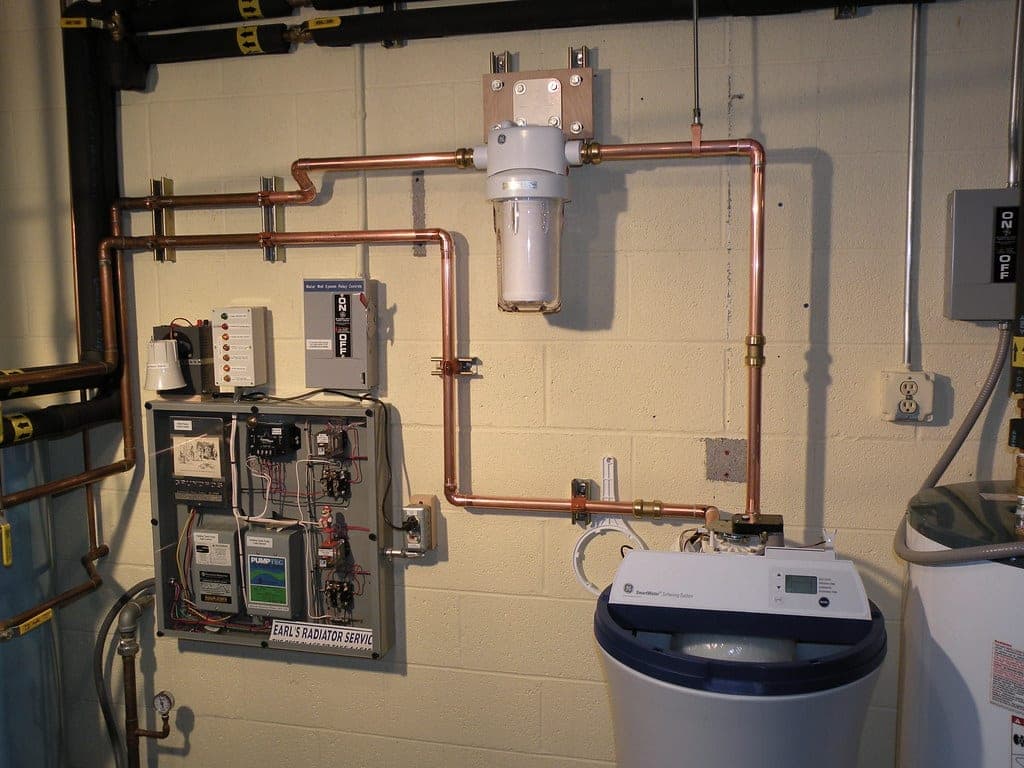
Sump pump not working: find out why before you replace it
Most dead pumps are not dead. They are unplugged, switched off by a stuck float, or sitting behind a tripped GFCI.
Sump pump keeps running: what is actually wrong
A pump that runs constantly is burning itself out, and in most cases the cause is a part that costs less than a tank of gas.

Sump pump maintenance checklist
Twenty minutes a year, split into four short visits, is the difference between a pump that reaches ten years and one that fails at six.

How to test a sump pump
Five minutes, four times a year. The half of the test most people skip is confirming that the pump stops.