Sump pump tripping the breaker or GFCI
A breaker trip and a GFCI trip mean different things. One is usually load; the other is usually moisture. Neither should be reset repeatedly.
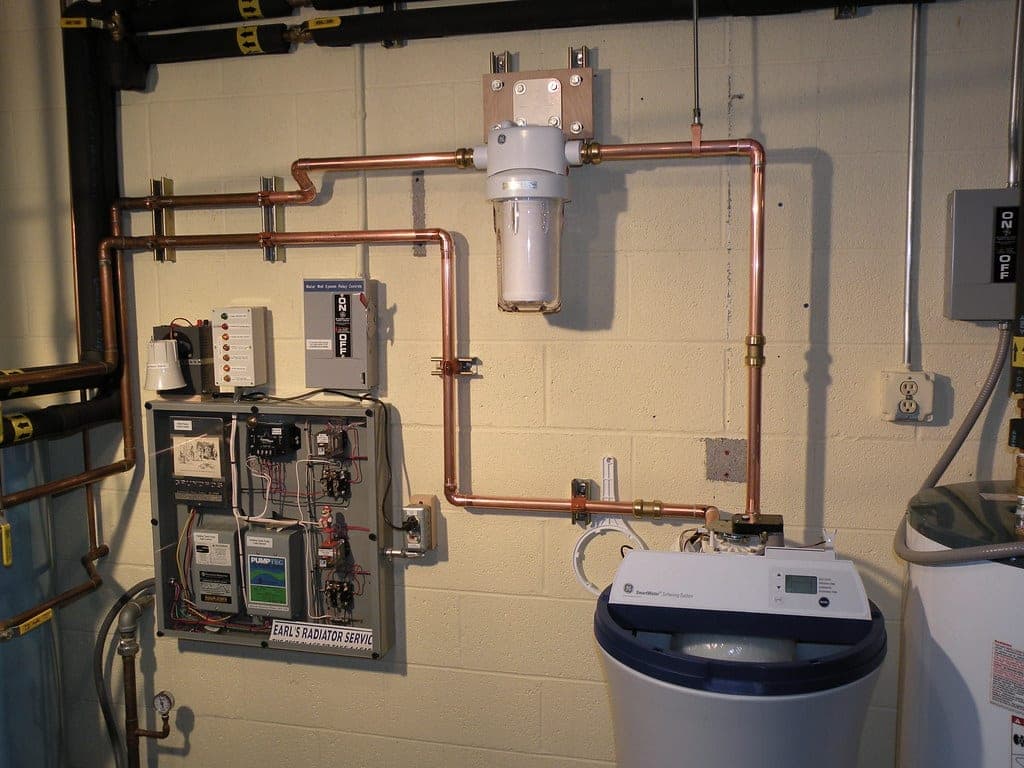
Breaker or GFCI? They mean different things
| Device | Trips on | Usual cause with a sump pump |
|---|---|---|
| Circuit breaker | Too much current, or a short circuit | Failing motor, seized impeller, or an overloaded shared circuit |
| GFCI | Current leaking to ground | Moisture in the pump, the cord or the outlet |
| AFCI | Arc signatures | Damaged cord or a loose connection |
What is safe to check yourself
- What else is on the circuit. A freezer, a dehumidifier and a sump pump sharing one 15 A circuit will trip it eventually. A sump pump ideally has its own circuit.
- The cord and the plug. Look for damage, corrosion on the pins, or a plug that has been sitting damp. Replace the pump rather than splicing a sump pump cord.
- Whether the pump is jammed. A seized impeller draws locked-rotor current until something gives. Unplug, lift out, inspect.
- Whether the outlet itself is wet. A GFCI reacting to moisture in the receptacle is a wiring problem, not a pump problem.
- The GFCI's own test button. If it will not reset even with the pump unplugged, the device or the wiring is the issue.
PumpSpy sump pump monitor
A monitor that watches pump power tells you the pump lost supply, which a tripped breaker otherwise hides.

#ad we earn a commission · Amazon shows the current price
| Type | Wi-Fi sump pump monitor with its own high-water float |
|---|---|
| What it watches | Pump power, pump cycles and pit water level |
| Alerts | Push and email when the pump stops cycling or the level climbs |
A tripped breaker is silent. The first sign is usually water, unless something is watching the pump's power — which is exactly what this does.
What it gets right
- Notices a pump that has stopped drawing power
- Independent high-water float
- Retrofits to any pump
Where it falls short
- Needs basement Wi-Fi
- Cloud-dependent for remote alerts
Specifications from Amazon listing (search).
Basement Watchdog water alarm
If the pump loses power, a floor alarm is what tells you before the water spreads.
#ad we earn a commission · Amazon shows the current price
| Type | Standalone basement water alarm with a floor sensor |
|---|---|
| Use | Sits beside the pit, not in it, so it only sounds when the pit has already lost |
The cheapest insurance against any failure that silently removes power from the pump.
What it gets right
- Nothing to configure
- No network dependency
- Very cheap
Where it falls short
- Local only
- Alerts after water arrives, not before
Specifications from Amazon listing (search).
When it is the pump
A motor whose windings have started to break down leaks current to ground, which a GFCI sees immediately. That pump is at the end of its life and the trip is an early warning rather than a nuisance. Replace it.
Similarly, a pump that trips the breaker only under load — starting fine, then tripping after a few seconds — is usually drawing excessive current because something mechanical is wrong inside it.
Should a sump pump be on a GFCI?
This is genuinely contested and the answer depends on local code. The argument for is obvious: a wet location with a grounded appliance. The argument against is that a nuisance trip disables the pump silently, which is the exact failure the pump exists to prevent.
Codes in many jurisdictions now require GFCI protection for the receptacle. Where that is the case, the sensible response is not to defeat it but to add monitoring, so a trip produces a notification rather than a flooded basement. Ask a local electrician what applies where you are rather than relying on anything you read online, including this.
Questions people ask
Why does my sump pump keep tripping the GFCI?
Most often moisture: in the pump windings, in the cord, or in the outlet. A motor beginning to fail leaks current to ground and a GFCI sees that immediately, which makes it an early warning.
Can I plug my sump pump into a non-GFCI outlet?
That depends on local code, and in many jurisdictions GFCI protection is now required. Defeating a required protective device to stop nuisance trips is not a safe solution — monitoring is.
Should a sump pump have its own circuit?
Ideally yes. A dedicated circuit means nothing else can trip the breaker that powers the pump, and it removes the shared-load cause entirely.
Is it safe to keep resetting the breaker?
No. If it trips again immediately, there is a real fault. Leave it off and get an electrician rather than resetting repeatedly.
Sources
Read next
Sump pump not working: find out why before you replace it
Most dead pumps are not dead. They are unplugged, switched off by a stuck float, or sitting behind a tripped GFCI.
Sump pump alarms and monitors
A floor alarm tells you the pit has already lost. A monitor tells you the pump stopped cycling three days ago, which is a much more useful message.

Sump pump maintenance checklist
Twenty minutes a year, split into four short visits, is the difference between a pump that reaches ten years and one that fails at six.

The best battery backup sump pumps
The storm that fills your pit is the storm that takes the power out. This is the half of the system that works when the other half cannot.
How to test a sump pump
Five minutes, four times a year. The half of the test most people skip is confirming that the pump stops.