How often should a sump pump run?
There is no single correct number. There is a correct pattern, and a pump that breaks the pattern is telling you something specific.
A healthy sump pump runs for 10 to 30 seconds at a time, and how often depends entirely on the weather and your water table. During heavy rain or a spring thaw, every two to three minutes is normal. In ordinary damp weather, a few times an hour. In a dry week, many pumps do not run at all — and if yours still runs on a steady rhythm through a dry July, you have a high water table rather than a fault.
What matters is not the raw number but whether the rhythm matches the conditions. Below is the pattern to compare yours against, followed by what each deviation means.
What normal looks like, by condition
| Condition | Typical interval | Run time per cycle | Worth worrying? |
|---|---|---|---|
| Heavy rain or rapid thaw | Every 1-3 minutes | 15-30 seconds | No, if it keeps up with the water |
| Light rain | Every 10-30 minutes | 10-20 seconds | No |
| Dry weather, normal water table | Rarely or never | n/a | No |
| Dry weather, high water table | Steady rhythm, hours apart | 10-30 seconds | No, but plan for redundancy |
| Dry weather, every few minutes | Every 1-5 minutes | Any | Yes — see the causes below |
| Running continuously | Does not stop | Minutes | Yes, urgently |
Running too often in dry weather: four causes
- No check valve, or a failed one. The water in the vertical pipe falls back into the pit when the pump stops, refilling it enough to trigger another cycle. This is the single most common cause and the cheapest to fix.
- A pit that is too small. A standard 10 gallon basin with brisk inflow gives the pump very little working volume, so it starts constantly. The pump is fine; the hole is small.
- A stuck or badly adjusted float. A float resting against the basin wall or the discharge pipe, or a tether set too short, produces a tiny draw-down and endless short cycles. Float switch not working covers the diagnosis.
- Something else is feeding the pit. A downspout discharging beside the foundation, an air conditioner condensate line, a leaking supply pipe or a neighbour's new patio can all put water into your pit year round.
How long should each cycle last?
Ten to thirty seconds. Much shorter than that and the pump is short-cycling: it is emptying the working volume almost instantly and the switch is dropping out again straight away. Much longer than a minute or two and either the inflow is very high or the pump has lost capacity — a partly blocked impeller, a clogged intake screen or a restricted discharge all look like a pump that runs and runs. Sump pump clogged walks through clearing it.
Winter is a special case
In hard frost the pump may run far less often simply because meltwater is not arriving, and then run intensely during a thaw. The real winter risk is the opposite of frequency: a frozen discharge line means the pump runs, pushes against ice, pumps nothing and overheats. If your pump starts running long cycles in freezing weather, check the discharge before you blame the pump — see sump pump freezing in winter.
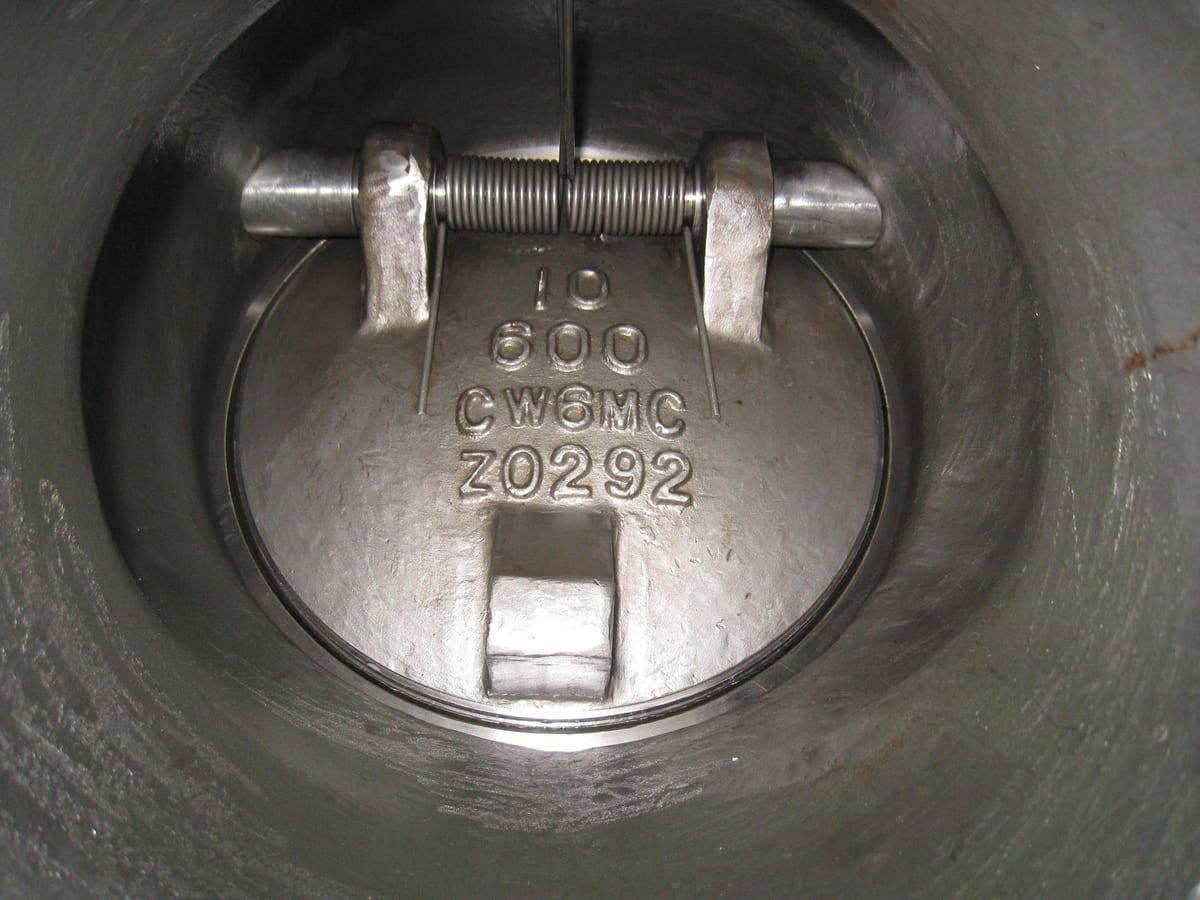
Zoeller 30-0181 check valve
A union check valve with a flexible flapper, so the water in the standpipe does not fall back and restart the pump.
#ad we earn a commission · Amazon shows the current price
| Type | PVC union check valve with a flexible flapper |
|---|---|
| Size | 1-1/2" slip x slip union, fits 1-1/4" and 1-1/2" pipe |
| Orientation | Vertical or horizontal |
| Noise | Flapper bends over a radius rather than slamming a hard seat |
Without a check valve, the column of water standing in the vertical pipe drops back into the pit the instant the pump stops. In a typical basement that is a gallon or two, which is often enough to lift the float again immediately. The pump then runs a second time, for no reason, every single cycle.
If your pump runs twice in quick succession, every time, this part is the whole answer and it costs a tiny fraction of a pump.
What it gets right
- Union fittings mean you can service the pump without cutting pipe
- Fits both 1-1/4 in and 1-1/2 in pipe
- The flapper bends over a radius rather than slamming a hard seat, so it is quiet
Where it falls short
- Still a wear part — expect to replace it eventually
- Must be installed the right way up
Specifications from Zoeller check valve distributor listing.
Jackel SF20 sump basin (18 x 22 in)
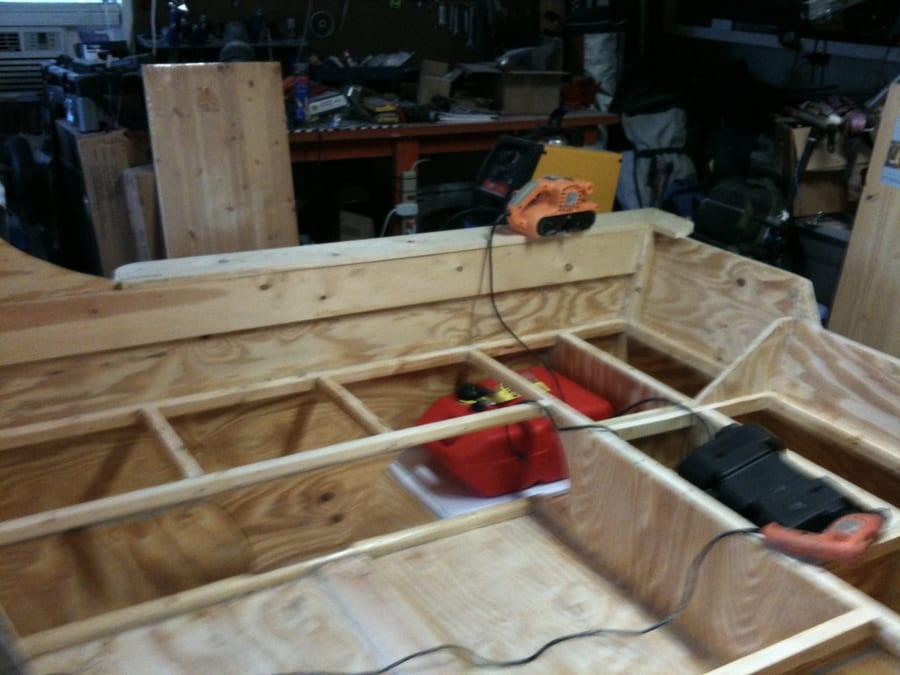
A 20 gallon, 18 by 22 inch basin: the same inflow, roughly half as many cycles.
#ad we earn a commission · Amazon shows the current price
| Size | 18 in diameter x 22 in deep |
|---|---|
| Capacity | 20 gallons |
| Material | Injection-molded structural foam polyethylene, one piece |
| Rim | Pre-drilled holes with metal inserts to accept a cover |
| Sealing | Gas and radon tight when fitted with a sealed cover |
| Weight | 11 lb |
Cycling frequency is set by the ratio of inflow to the volume between the switch's on and off points, not by the pump's capacity. Double the working volume and you roughly halve the number of starts for the same water, which directly extends the life of the pump.
It is the right fix when the pump is cycling constantly because the pit is small, rather than because something has failed.
What it gets right
- 20 gallon capacity against the 10 to 15 of a standard basin
- One-piece injection-moulded structural foam polyethylene
- Pre-drilled rim with metal inserts for a sealed or radon-tight cover
Where it falls short
- Fitting it means breaking out concrete, so it is a project not an afternoon
- 11 lb of plastic is bulky to get down the stairs
Specifications from 18 x 22 in radon sump basin distributor listing.
PumpSpy sump pump monitor
A Wi-Fi monitor that counts cycles and watches pit level, so the question stops being a guess.

#ad we earn a commission · Amazon shows the current price
| Type | Wi-Fi sump pump monitor with its own high-water float |
|---|---|
| What it watches | Pump power, pump cycles and pit water level |
| Alerts | Push and email when the pump stops cycling or the level climbs |
Everything in this guide becomes concrete once you have a cycle count. A monitor turns 'it seems to be running a lot' into 'it ran 46 times yesterday and 9 times today', which is the difference between worrying and diagnosing.
What it gets right
- Watches pump power, cycle count and water level
- Pushes an alert when the pump stops cycling or the level climbs
- Has its own high-water float, independent of the pump's switch
Where it falls short
- Needs Wi-Fi in the basement, which is not a given
- A subscription-style service model on some features
Specifications from Amazon listing (search).
Establish your own baseline
- Count cycles on an ordinary day and write the number down. Without a baseline, 'running a lot' is unmeasurable.
- Count again during heavy rain. The ratio between the two tells you how much of your inflow is weather and how much is water table.
- Note the run time with a watch. Fifteen seconds and thirty seconds are different machines doing different work.
- Repeat each season. A slow, quiet increase over a year is how a tired pump or a silting pit announces itself.
Questions people ask
How often should a sump pump run during heavy rain?
Every one to three minutes, for ten to thirty seconds at a time, is normal in heavy rain or a rapid thaw. What matters is that the pit level drops each cycle — a pump keeping pace is working correctly, however busy it looks.
Is it bad if my sump pump runs every few minutes in dry weather?
It usually means water is returning to the pit rather than arriving. A missing or failed check valve lets the standpipe drain back after every cycle, and that alone can double the number of runs. A small basin or a badly set float produces the same pattern.
How often should a sump pump run in winter?
Often much less, because meltwater is not arriving, with bursts during a thaw. If it starts running long cycles in freezing weather, suspect a frozen discharge line rather than high inflow.
Can a sump pump run too much and burn out?
Yes, in two ways. Running continuously overheats the motor, and short-cycling racks up motor starts, which are the main wear mechanism. Both shorten the pump's life well before its running hours would.
Should a sump pump run when it has not rained?
It is normal where the water table is naturally high — the pump is holding groundwater back rather than responding to weather. It is not normal if the interval is only a few minutes, which points to a check valve, float or basin problem.
Sources
Read next
Sump pump keeps running: what is actually wrong
A pump that runs constantly is burning itself out, and in most cases the cause is a part that costs less than a tank of gas.

How high should the water be in a sump pit?
Not empty. A pump that pulls its pit dry is not being thorough, it is running on air and wearing out its seal.
The best sump pump check valves
A forty-dollar valve is the single most common reason a healthy pump appears to be failing. It is also the easiest thing in the pit to replace.

Sump pump maintenance checklist
Twenty minutes a year, split into four short visits, is the difference between a pump that reaches ten years and one that fails at six.
What size should a sump pit be?
The hole constrains everything that goes in it. Pit dimensions rule out more pumps than horsepower ever will.