Should I buy a house with a sump pump?
A pit in the floor is evidence that someone took groundwater seriously. The question is whether they finished the job.
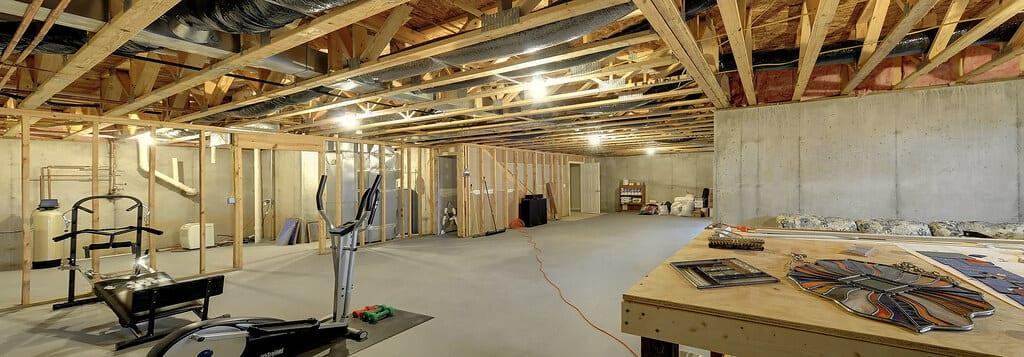
Yes — a sump pump on its own is not a reason to walk away. Across large parts of the country a pit and pump is standard construction, not a confession. What should change your offer is the evidence around it: a pump of unknown age, no backup, a discharge that dumps beside the foundation, staining on the walls, or a seller who cannot say when it last ran. Those are costs and risks you can price, and the eight checks below let you price them before you commit.
The useful way to think about it is that the pit is a drainage system's output. A well-built system has a pump that matches the inflow, a sound discharge, and a second line of defence. A neglected one has a pump and nothing else.
Eight checks to run before you buy
- Ask when it last ran, and how often. A seller who can answer has been paying attention. 'I have never seen it run' about a pit with a stained, silted interior is a contradiction worth noting.
- Look at the pit itself. A silt line well above the pump's off level, rust stains or debris tells you the real working range, whatever anyone says.
- Check the pump's age and brand. A model number gets you a manufacture date in most cases. Seven to ten years is a typical service life, so an older pump is a near-term replacement.
- Look for a backup. A second pump in the pit and a battery box on the wall is a house that was protected properly. Nothing on the wall means the system fails in every power cut.
- Follow the discharge outside. It should carry water several feet clear of the foundation and downhill. A pipe that ends at the wall is recycling the same water and is a cheap fix you should insist on.
- Check for a check valve on the standpipe. Without one, every cycle drains back and the pump works twice as hard as it needs to.
- Read the walls and the floor. Efflorescence, a tide line, cupped flooring or fresh paint only on the lower courses all say more than the pit does. Is water in the basement bad explains what each sign implies.
- Ask about insurance and any past claim. Water damage history affects premiums and tells you what the house has actually done, not what it might do.
What the findings are worth
| What you find | What it means | Rough response |
|---|---|---|
| Pit, recent pump, backup fitted, good discharge | A properly built system | Proceed; budget maintenance only |
| Pit and pump, no backup | The common case | Proceed; budget a backup in year one |
| Pump of unknown age | An unquantified risk | Budget a replacement, or ask for a credit |
| Discharge ending at the foundation | Water being recycled | Cheap fix; insist on it or do it yourself |
| Tide line on the walls, no pump at all | Water with nothing managing it | Price a full system before you commit |
| Fresh paint low on the walls only | Something was covered up | Press for disclosure; consider a specialist opinion |
The houses that should worry you
A sump pump is not the warning sign. These are: a finished basement with no pit and obvious signs of past water; a pit that has been filled in or abandoned; a pump discharging into the sanitary sewer, which is illegal in many jurisdictions; or any sign of foundation movement — a crack that is wider at one end, or a wall that bows. The last of those is an engineer's question, not a pump question.
Basement Watchdog water alarm
A standalone floor-level alarm that tells you the pit has lost before the carpet does.
#ad we earn a commission · Amazon shows the current price
| Type | Standalone basement water alarm with a floor sensor |
|---|---|
| Use | Sits beside the pit, not in it, so it only sounds when the pit has already lost |
The first thing to own in a house with a sump pump is not a better pump. It is a warning. You do not yet know this basement's habits, and an alarm beside the pit buys you the time to learn them without paying for the lesson in flooring.
What it gets right
- Nothing to configure, no app and no account
- Sits beside the pit rather than in it, so it only sounds when the system has genuinely failed
- Cheap enough to put one in every risk area
Where it falls short
- Audible only — no alert if you are away
- A battery to remember once a year
Specifications from Amazon listing (search).
Zoeller M53 Mighty-Mate
Cast iron with published flow at ten feet, from the brand whose parts are stocked everywhere.

#ad we earn a commission · Amazon shows the current price
| Type | Submersible, cast iron |
|---|---|
| Horsepower | 3/10 HP (sold as 1/3 HP) |
| Electrical | 115 V, 9.7 A, 60 Hz |
| Discharge | 1-1/2" NPT vertical female |
| Switch | Integral vertical float, on at 7-1/4", off at 3" |
| Solids handling | 1/2" |
| Shut-off head | 19.25 ft |
| Flow, by lift | 2,580 GPH at 0 ft · 2,040 GPH at 10 ft |
| Warranty | Three years |
If the inspection cannot establish the pump's age, assume it is old. A pump of unknown vintage protecting a house you just bought is a false economy worth a few hundred dollars to remove.
What it gets right
- 2,040 GPH at 10 ft published
- Decades of field record on the switch
- Parts available from any supply house
Where it falls short
- Costs more than a budget pump
- Needs float swing room
Specifications from Zoeller M53 (53-0001) specification sheet.
Wayne ESP25N battery backup system
A 12 V backup with flow published at four different lifts, for the outage that arrives with the storm.
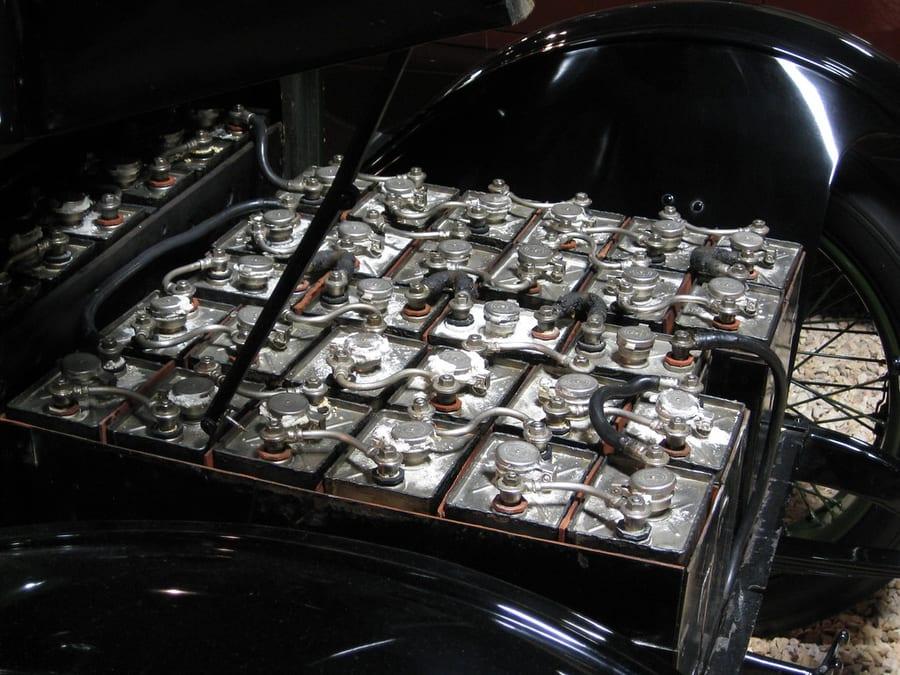
#ad we earn a commission · Amazon shows the current price
| Type | 12 V DC battery backup pump |
|---|---|
| Housing | Epoxy-coated steel with a cast-iron base |
| Impeller | Corrosion-resistant thermoplastic |
| Discharge | 1-1/2" NPT |
| Battery | One Group 27 deep-cycle battery, sold separately |
| Minimum basin | 14 in diameter |
| Monitoring | LED display and audible alarm on the battery case |
| Flow, by lift | 2,900 GPH at 0 ft · 2,340 GPH at 5 ft · 1,680 GPH at 10 ft · 600 GPH at 15 ft |
| Warranty | Two years |
Most houses with a sump pump have no backup, which means the protection disappears in exactly the weather that tests it. This is the item to budget for in the first year, ahead of almost any cosmetic work in the basement.
What it gets right
- 1,680 GPH at 10 ft, published
- LED display and audible alarm
- Epoxy-coated steel with a cast-iron base
Where it falls short
- Battery sold separately
- Needs a basin at least 14 in across
Specifications from Wayne ESP25N specification listing, Wayne ESP25 product listing.
What to budget in the first year
- An alarm, immediately. You do not know this basement yet, and a floor-level water alarm is the cheapest insurance in the house.
- A backup, if there is not one. A battery backup addresses the failure that actually floods basements, which is loss of power.
- A replacement pump if the age is unknown. Pick it on measured lift and inflow, with how to choose a sump pump.
- Gutters and grading. The cheapest water to manage is the water that never reaches the foundation. How to waterproof a basement starts there, outdoors.
- A maintenance habit. Twenty minutes, twice a year — the maintenance checklist is the whole routine.
Questions people ask
Is a sump pump a red flag when buying a house?
No. In much of the country a pit and pump is standard construction for a basement, and it shows groundwater was planned for. The flags are an unknown-age pump, no backup, a discharge that ends at the foundation, or signs of past flooding with nothing installed to manage it.
Does a sump pump lower a home's value?
Not in regions where they are normal. What affects value is evidence of water damage, an abandoned pit, or an obviously neglected system. A well-maintained pump with a backup reads as a well-looked-after house.
What should the inspector check on a sump pump?
That it runs under a real water load rather than just having power, that the float moves freely, that there is a check valve, that the discharge carries water well clear of the foundation, and whether a backup exists. Ask for the pump's model and approximate age in the report.
How much does it cost to replace a sump pump after buying?
It varies by pump, lift and whether the plumbing needs reworking, so we do not publish a figure here — our replacement cost guide covers how the quote is built up. Budget separately for a backup system, which is usually the bigger gap.
Should I avoid a house where the sump pump runs constantly?
Not automatically, but find out why. A steady rhythm in dry weather means a high water table, which is manageable with capacity and redundancy. Constant running during a storm with the level still rising means the system is undersized, and that is a real cost to price in.
Sources
Read next
Do I need a sump pump?
Not every basement does. Here is how to tell which kind you have, before you spend money on either answer.
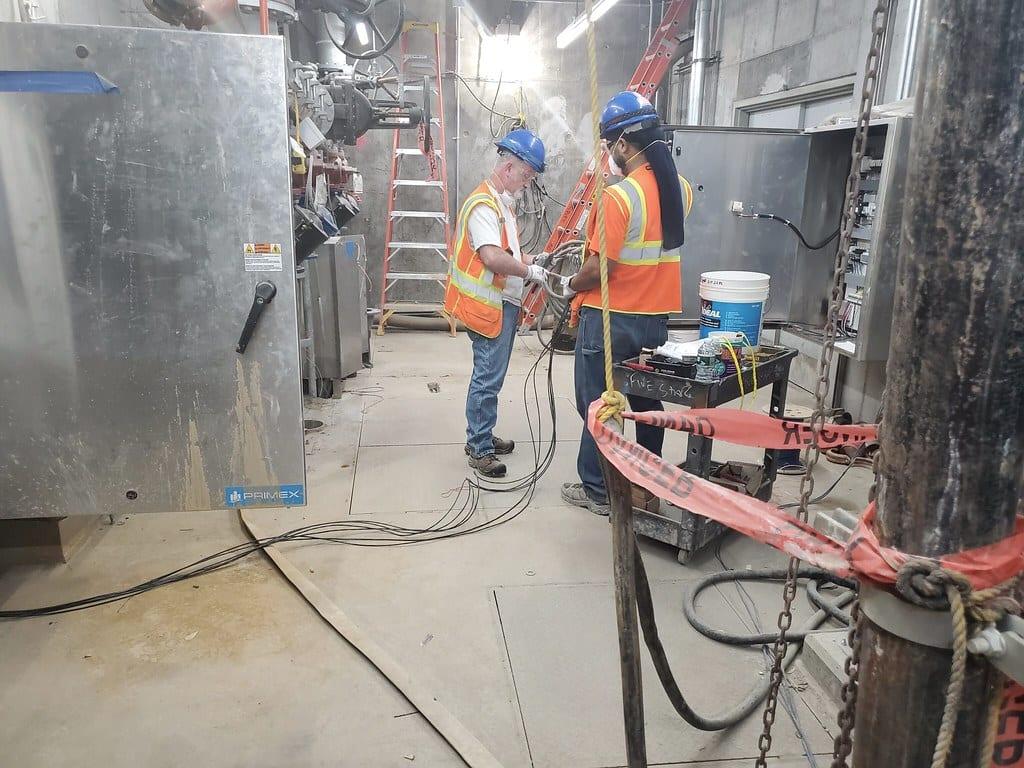
How long do sump pumps last?
Seven to ten years is the honest range. What decides where you land in it is duty cycle, pit size and the switch — not the badge.

Sump pump replacement cost
We are not going to invent a national average for you. Here is what the price is actually made of, so you can read a quote properly.

Is water in the basement bad?
Occasional dampness and standing water are different problems with different timelines. Here is how to tell which one you have.
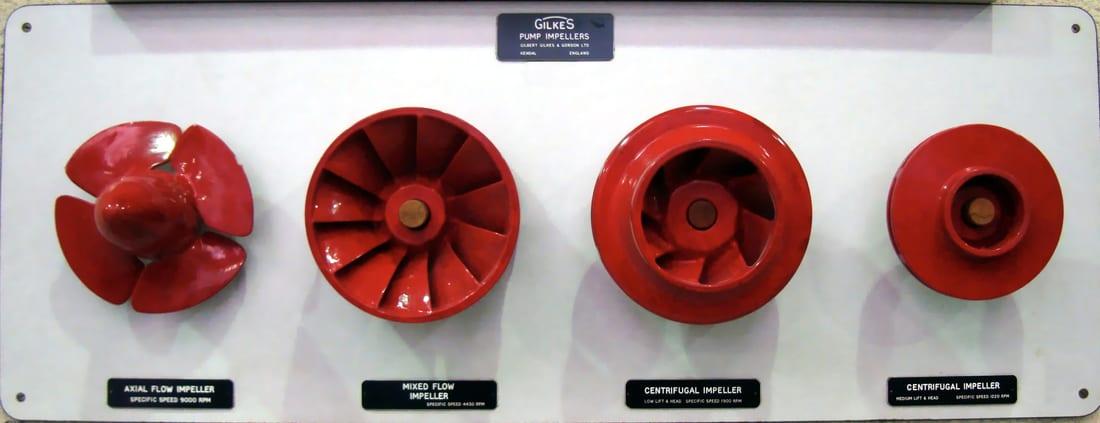
How to choose a sump pump
Six decisions, in this order. Get the first two right and the rest are easy; get them wrong and no amount of horsepower rescues it.