Sump pump vs utility pump
They look similar, they cost similarly, and swapping one for the other is how basements flood twice.
We earn a commission if you buy through our Amazon links, at no cost to you. We do not bench-test these products and we never take free product — how we pick · affiliate disclosure
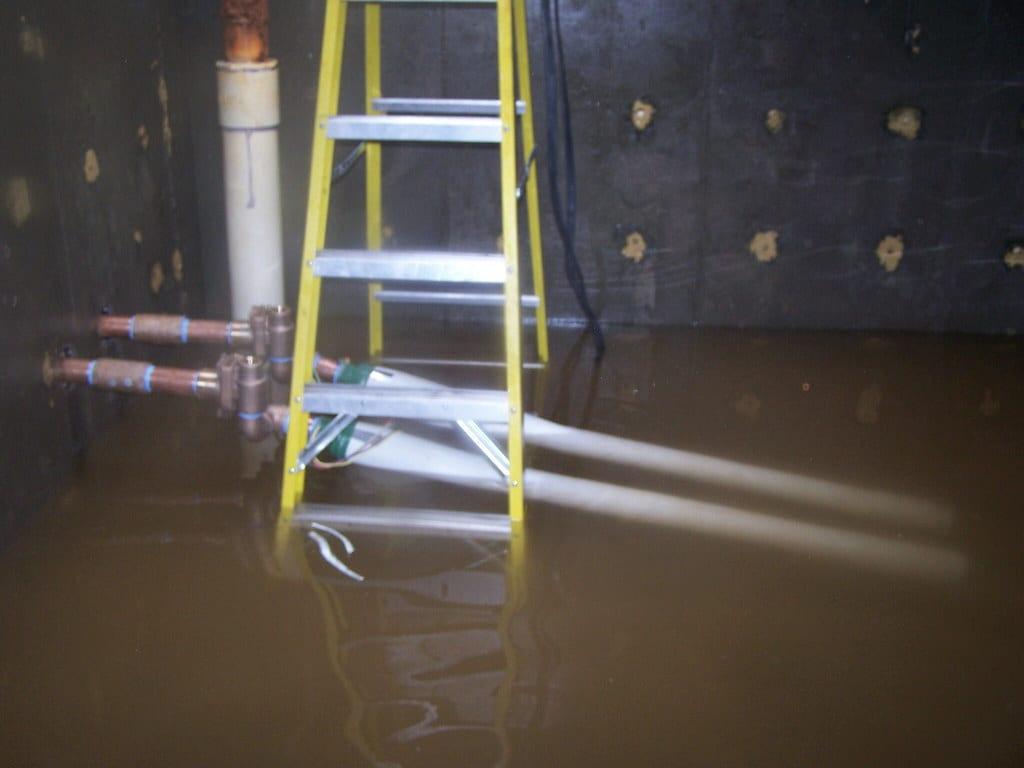
A sump pump is a permanent, automatic pump that lives in a pit and keeps groundwater from reaching your floor. A utility pump is a portable, manual pump that removes water already on the floor. If water is standing in the basement right now, you want a utility pump. If you want to stop it coming back, you want a sump pump. They are not substitutes in either direction, and the most common expensive mistake in this category is buying one and expecting the other's job to get done.
The confusion is understandable. Both are small submersible electric pumps, both are sold in the same aisle, and both are often the same price. The differences are in the switch, the duty cycle and the plumbing.
The differences that matter
| Sump pump | Utility pump | |
|---|---|---|
| Starts itself? | Yes — integral or piggyback float switch | No — you plug it in and unplug it |
| Where it lives | Permanently in a sump basin | On a shelf until needed |
| Discharge | Hard-plumbed, usually 1-1/2" rigid pipe with a check valve | Garden hose or flexible hose |
| Duty cycle | Designed for thousands of starts a year for years | Short, occasional runs |
| Low-water pickup | Leaves a few inches in the pit by design | Designed to pull a floor almost dry |
| Typical housing | Cast iron on better models, to shed motor heat | Thermoplastic, to stay light |
| Example here | Zoeller M53 — 2,040 GPH at 10 ft, 9.7 A | Superior 91250 — 1,800 GPH at 0 ft, 1.5 A |
Look at the current draw in that last row. The utility pump draws 1.5 A and the sump pump draws 9.7 A, and the sump pump moves more water at a lift the utility pump would struggle with at all. That gap is the whole story: one is built to be carried, the other is built to work.
Why a utility pump cannot replace a sump pump
- It has no float. A pump that cannot start itself protects nothing while you are out, asleep, or away for the weekend — which is when basements flood.
- Its duty cycle is wrong. A thermoplastic housing does not conduct motor heat into the pit water the way iron does, so sustained cycling runs the motor hotter. See cast iron vs plastic.
- Hose is not discharge pipe. A garden hose has a small bore, kinks, and no check valve, so a long run throttles the pump and lets water fall back every time it stops.
- It is designed to run dry at the end of the job. Pulling a floor to a skim is exactly what you want from a utility pump and exactly what kills a sump pump, which relies on the water around it for cooling.
Superior Pump 91250
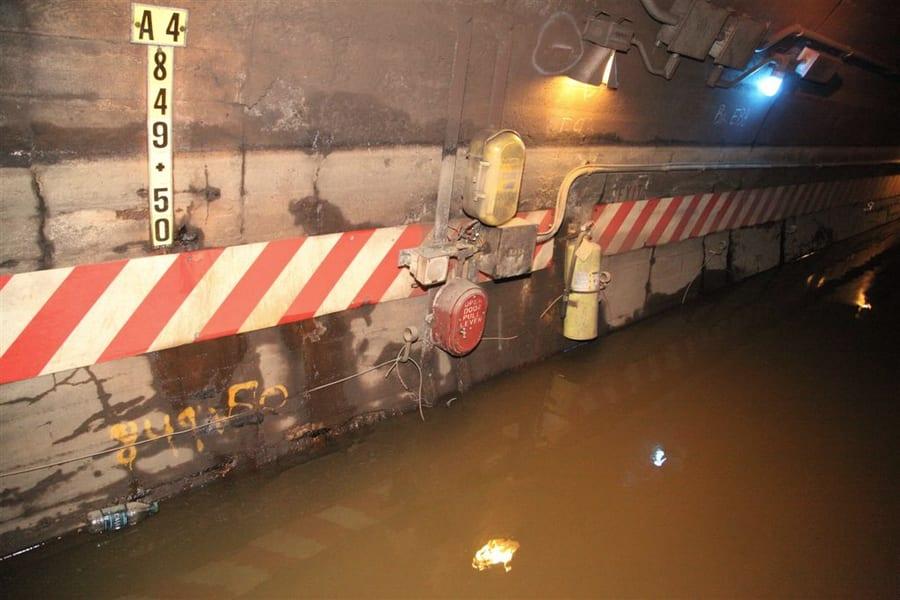
A 1/4 HP thermoplastic utility pump drawing 1.5 A, light enough to carry one-handed and take a garden hose.
#ad we earn a commission · Amazon shows the current price
| Type | Submersible utility pump, thermoplastic |
|---|---|
| Horsepower | 1/4 HP |
| Electrical | 120 V, 1.5 A |
| Motor | Thermally protected split capacitor |
| Flow, by lift | 1,800 GPH at 0 ft |
This is the right tool for the job people actually have on the worst day: three inches of water across the floor and no drain to push it to. It takes a garden hose, sits in a shallow puddle, and moves 1,800 gallons an hour at zero lift. When the emergency is over it goes back on a shelf.
What it is not is a sump pump. There is no float switch, so it cannot start itself, and the housing and motor are not built for a pit that cycles several times an hour for ten years. Used as intended it is one of the best-value items on this site.
What it gets right
- 1,800 GPH published at zero lift, which is plenty for a flooded floor
- 120 V at 1.5 A — it will run on a modest extension cord or a small generator
- Takes a standard garden hose, so there is no plumbing to do
- Light enough to carry down the stairs in one hand with a bucket in the other
Where it falls short
- No automatic switch — it runs until you unplug it
- Thermoplastic housing and a small motor mean a limited duty cycle
- Not designed to sit in a pit for a decade
Specifications from Superior Pump 91250 product listing.
Zoeller M53 Mighty-Mate
Cast iron, an integral vertical float specified to switch on at 7-1/4 inches, and 2,040 GPH published at ten feet of lift.

#ad we earn a commission · Amazon shows the current price
| Type | Submersible, cast iron |
|---|---|
| Horsepower | 3/10 HP (sold as 1/3 HP) |
| Electrical | 115 V, 9.7 A, 60 Hz |
| Discharge | 1-1/2" NPT vertical female |
| Switch | Integral vertical float, on at 7-1/4", off at 3" |
| Solids handling | 1/2" |
| Shut-off head | 19.25 ft |
| Flow, by lift | 2,580 GPH at 0 ft · 2,040 GPH at 10 ft |
| Warranty | Three years |
A sump pump is defined by two things a utility pump does not have: a float switch that makes it autonomous, and a duty cycle that assumes it will start thousands of times a year for a decade. The M53 is the clearest expression of both in the registry — the switch points are published, the housing is iron, and the flow curve is given at a lift you can actually measure in your own basement.
If the question is which machine protects the house while you are at work, this is the only kind of answer. The utility pump above protects the house while you are standing next to it with a hose in your hand.
What it gets right
- 2,580 GPH at zero lift and 2,040 GPH at ten feet, both published
- Cast-iron housing dumps motor heat into the pit water rather than holding it
- Switch points specified: on at 7-1/4", off at 3"
- 1/2" solids handling and a 19.25 ft shut-off head
- Three-year warranty and parts available everywhere
Where it falls short
- Draws 9.7 A at 115 V, so it wants a properly sized circuit
- Needs float swing room — a pit much under 14 inches across is tight
- Heavier than a utility pump by a wide margin
Specifications from Zoeller M53 (53-0001) specification sheet.
Wayne CDU790
Epoxy-coated cast iron with 3,060 GPH published at ten feet, which is the highest measured figure at real lift in its horsepower class here.
#ad we earn a commission · Amazon shows the current price
| Type | Submersible, epoxy-coated cast iron |
|---|---|
| Horsepower | 1/3 HP |
| Electrical | 120 V, 9.5 A, PSC oil-filled motor |
| Discharge | 1-1/2" NPT |
| Cord | 8 ft |
| Switch | Vertical float |
| Flow, by lift | 4,600 GPH at 0 ft · 3,060 GPH at 10 ft |
| Warranty | Three years (the CDU790SS stainless variant is five) |
If you have decided the answer is a sump pump rather than a utility pump, this is the one to compare everything else against on numbers. 3,060 gallons an hour at ten feet of lift is the figure that describes a normal basement, and Wayne publishes it rather than leaving you to extrapolate from a zero-lift headline.
What it gets right
- 4,600 GPH at zero lift and 3,060 GPH at ten feet, both published
- Epoxy-coated cast iron with an oil-filled PSC motor
- Vertical float switch and an 8 ft cord
- Three-year warranty, five on the stainless CDU790SS variant
Where it falls short
- 9.5 A at 120 V, which is a real circuit load
- The 8 ft cord is shorter than some pits allow for
- Vertical float needs swing room
Specifications from Wayne CDU790 specification listing, Wayne CDU790 distributor listing.
Why a sump pump cannot replace a utility pump either
A submersible sump pump needs several inches of water around its intake before it will move anything, and its float will not even call for a start until the level reaches its switch point — 7-1/4 inches on the Zoeller M53. Stand it in two inches of water on a flat floor and it does nothing useful. It is also heavy, hard-wired to a rigid discharge in its normal life, and genuinely awkward to use as a portable tool.
What about a transfer pump, or a sewage ejector?
Transfer pump is mostly a marketing word for a utility pump sold for draining a water heater, a pool cover or a hot tub — same machine, same limits. A sewage ejector is genuinely different: it passes two-inch solids, needs a sealed and vented basin, and must never be substituted for either pump here. That distinction is covered in sump pump vs sewage ejector.
Questions people ask
What is the difference between a sump pump and a utility pump?
A sump pump is permanent and automatic: it sits in a sump basin, starts itself on a float switch, and discharges through hard-plumbed pipe with a check valve. A utility pump is portable and manual: you carry it to standing water, plug it in, run a garden hose from it, and unplug it when the floor is clear. Neither can do the other's job.
Can I use a utility pump as a sump pump?
Only as a stopgap while you are standing there watching it. A utility pump has no float switch, so it cannot start itself, and its motor and housing are not built for the thousands of starts a year a pit demands. It will also happily run dry, which is what kills pumps fastest.
Can I use a sump pump to clear standing water?
Badly. A submersible sump pump needs several inches of water around its intake before it moves anything, and its float will not call for a start until the level reaches its switch point. On the Zoeller M53 that is 7-1/4 inches, which is far deeper than the water on a flooded floor.
Is a transfer pump the same as a utility pump?
In practice, usually yes. Transfer pump is a retail label for the same class of small portable pump, sold for draining a water heater, a pool cover or a hot tub. The limitations are identical: no float, short duty cycle, hose discharge.
Do I need both?
Most basements benefit from both. The sump pump is the system that keeps water out; the utility pump is the tool that gets the floor clear on the day the system loses. The second one is cheap relative to what it saves.
Sources
Read next

The best basement water pumps for clearing standing water
A utility pump empties a flooded floor. A sump pump stops the floor flooding. They are different tools and you probably want both.
Types of sump pumps
Four categories, and most houses end up with two of them: a primary that does the work and a backup that covers the night the power fails.
Sump pump vs sewage ejector pump
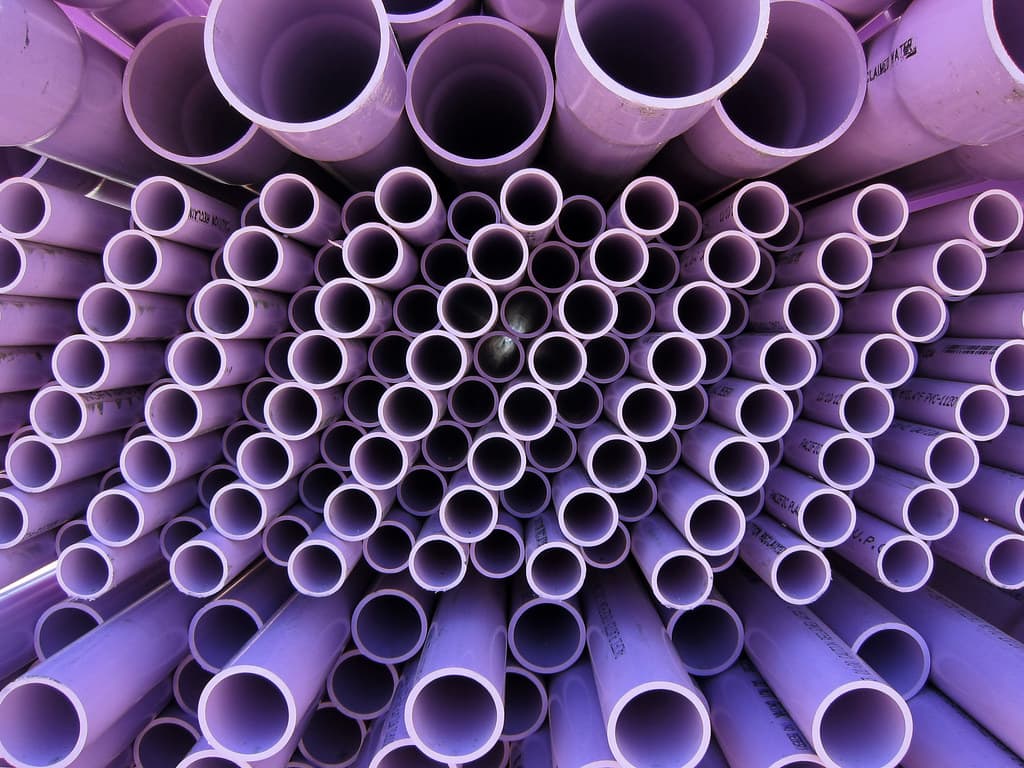
Three pumps that look alike and are not interchangeable. The dividing line is what the water has in it, not how much water there is.

Your basement flooded. Do these things in this order.
Electricity first, source second, water third, drying fourth. Getting the order wrong is how people get hurt or lose the insurance claim.

How to clean a sump pit
An afternoon, once a year. It is also the only time you will ever get a proper look at the parts that keep your basement dry.