The best sewage ejector pumps for a basement bathroom
If your basement bathroom sits below the sewer line, this is the pump that makes it legal and workable. It is not a sump pump, and the two are not interchangeable in either direction.
We earn a commission if you buy through our Amazon links, at no cost to you. We do not bench-test these products and we never take free product — how we pick · affiliate disclosure
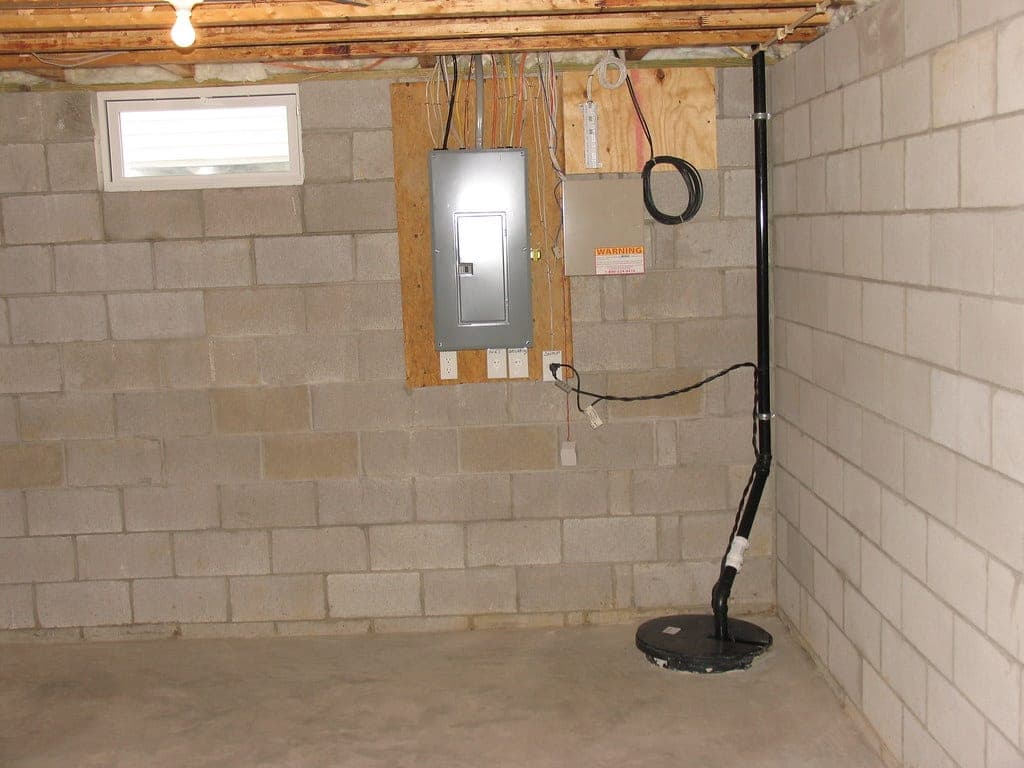
A sewage ejector pump exists for one situation: a toilet, shower or sink sitting below the elevation of the sewer line leaving your house. Gravity cannot move that waste, so it collects in a sealed basin in the floor and a pump lifts it up to the drain. If that is the job in front of you, nothing on the rest of this site is the right purchase — a sump pump cannot do this, and we explain exactly why in sump pump vs sewage ejector.
How we ranked these
Five criteria, in this order:
- Does the manufacturer publish flow at a real lift? Every pump here claims a 0-ft number. Only some publish what happens at 10 ft, which is the figure that decides whether your bathroom works. A manufacturer that hides the curve is telling you something.
- Full 2" solids passage. This is the line between a sewage ejector and an effluent or sump pump. Below it, the pump is wrong for the duty no matter how much horsepower is on the box.
- Motor and housing built for the duty cycle. Cast iron and an oil-filled, thermally protected motor are the convention in this class because a sealed basin is a poor place to shed heat.
- Warranty term, because the install is the expensive part. Replacing a pump under a bolted, gasketed, vented cover is an afternoon's work. Three years beats one.
- What else do you need to buy? A pump alone is not an installation. Where a kit removes a sizing error — the basin diameter a float needs — that counts for something real.
Quick picks
| # | Product | Best for | Score | Price |
|---|---|---|---|---|
| 1 |  Liberty Pumps LE51A (LE50 series)Liberty publishes 118 GPM at 10 ft of head in its own literature, passes 2" solids, runs an oil-filled thermally protected motor and carries three years of warranty coverage. | Most basement bathrooms | 9.0 | Check price on Amazon #ad we earn a commission · Amazon shows the current price |
| 2 |  Zoeller Waste-Mate 267 (sewage ejector)A cast-iron Waste-Mate with a non-clog vortex impeller, 2" solids and published flow of 6,900 GPH at 0 ft and 5,100 GPH at 10 ft, from a manufacturer that publishes a proper curve. | The heaviest duty, and the easiest non-clog claim to believe | 8.9 | Check price on Amazon #ad we earn a commission · Amazon shows the current price |
| 3 | Superior Pump 93015 sewage pump kitA pre-assembled kit: cast-iron 1/2 HP pump, basin, cover, check valve and plug in one box, with 4,800 GPH at 0 ft and a 25 ft maximum head. | A new installation that needs the basin too | 8.0 | Check price on Amazon #ad we earn a commission · Amazon shows the current price |
| 4 | 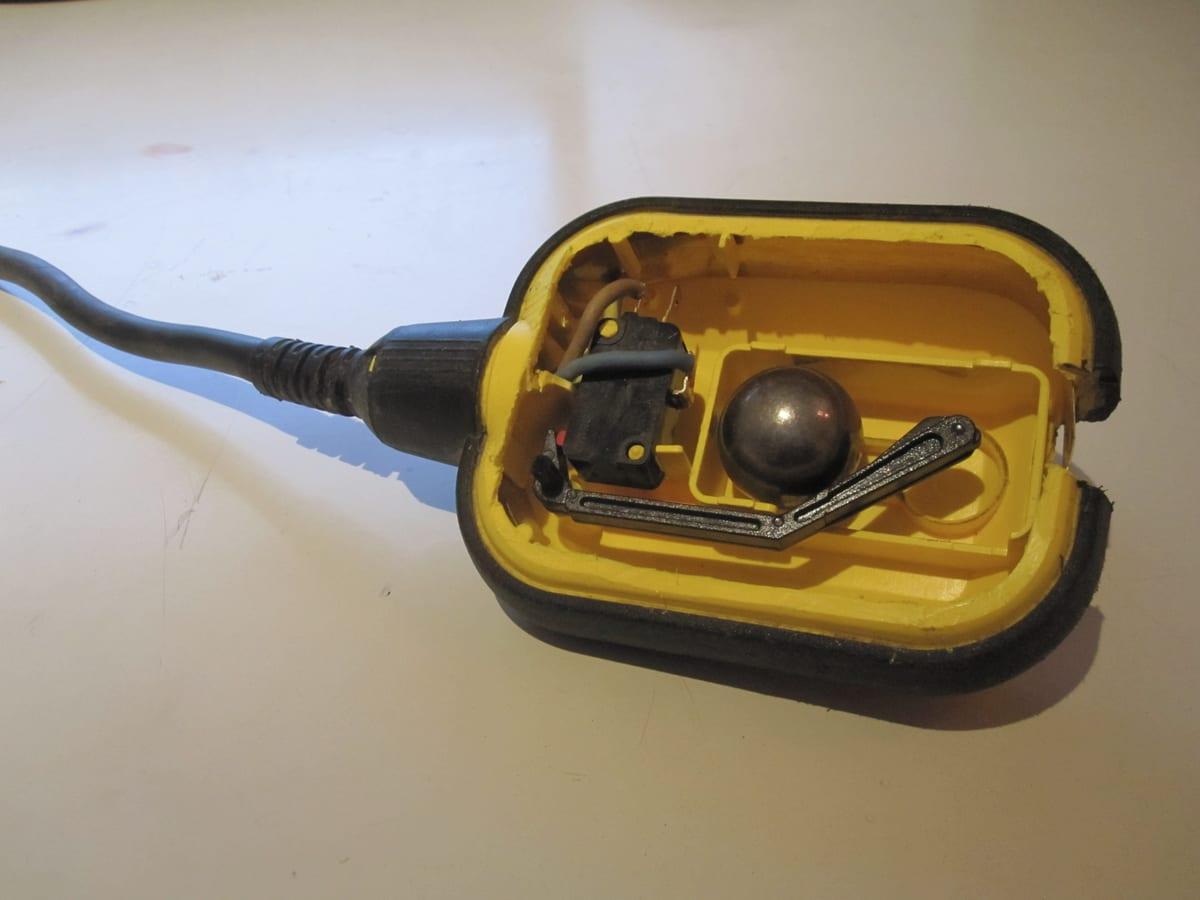 Wayne RPP50A cast-iron 2" solids sewage pump at the lowest price of the four, whose own published flow figures do not agree with each other. | The budget pick, with eyes open | 7.4 | Check price on Amazon #ad we earn a commission · Amazon shows the current price |
Scores are ours and editorial, not lab measurements — see how we pick. Tap a row for the full write-up.
Liberty Pumps LE51A (LE50 series)
Liberty publishes 118 GPM at 10 ft of head in its own literature, passes 2" solids, runs an oil-filled thermally protected motor and carries three years of warranty coverage.
#ad we earn a commission · Amazon shows the current price
| Type | Submersible sewage ejector, cast iron |
|---|---|
| Horsepower | 1/2 HP |
| Electrical | 115 VAC, 12 A full load, 22.5 A locked rotor |
| Discharge | 2" flanged outlet |
| Solids handling | 2" spherical |
| Maximum head | 25 ft per Liberty's LE50-series sheet (retail listings quote 24 ft, and one quotes a 19 ft shut-off) |
| Motor | Oil-filled, thermally protected |
| Switch | Wide-angle float, piggyback plug (LE51A); LE51M has no float |
| Cord | 10 ft |
| Flow note | 118 GPM at 10 ft TDH on the current sheet; an older edition of the same sheet says 112 GPM |
| Flow, by lift | 7,080 GPH at 10 ft |
| Warranty | Three years, limited (retailer listings) |
The reason this is first has nothing to do with brand loyalty and everything to do with the quality of the published numbers. Liberty puts 118 GPM at 10 ft of total dynamic head in its own sales literature. Almost every competitor leads with a 0-ft figure, which is the flow you would get if the pump discharged straight out of its own outlet onto the floor. Nobody plumbs that. A basement bathroom typically lifts eight to twelve feet before the horizontal run even starts, so a figure quoted at 10 ft is the one that predicts whether your toilet will clear.
The build is the second reason. Oil-filled motors are the convention in sewage duty for a practical reason: a sealed basin is a bad place to shed heat, the pump runs against a real head, and the oil moves heat from the windings to the cast-iron housing. Combine that with a thermal cut-out and you have a motor that survives the duty cycle a basement bathroom imposes — short, frequent, under load.
Third, the warranty. Three years on the retail listings is twice what Wayne's listings show and three times the kit below. On a pump that is going to live under a bolted, gasketed cover with a vent pipe on top of it, the cost of a failure is not the pump — it is the afternoon spent lifting the lid. Pay for the longer term.
The one thing to be careful about is the model code. LE51A is the automatic version with the wide-angle float. LE51M is the manual version with no switch at all, intended for a control panel. LE51A-2 is another variant. They look almost identical in search results and they are not the same purchase.
What it gets right
- Liberty's own LE50-series literature publishes 118 GPM at 10 ft of total dynamic head — a figure measured at a realistic lift rather than a headline 0-ft number
- Passes 2" spherical solids, which is the figure that separates a sewage ejector from everything else in a basement
- Oil-filled, thermally protected motor: the oil carries heat away from the windings, which is the right design for a pump that runs under load in a sealed basin
- Cast iron throughout, which both sheds heat and keeps the pump on the basin floor instead of walking around in it
- Three-year limited warranty on the retail listings, against one year on two other picks here
- Wide-angle float on a piggyback plug — you can test the pump by plugging it straight into the outlet, and the float can be replaced without replacing the pump
- 2" flanged outlet, so it mates with the 2" discharge that a sewage install needs anyway
- 10 ft cord, which usually reaches a basement outlet without an extension cord (which you should not use on this pump)
Where it falls short
- Liberty's current sheet says 118 GPM at 10 ft while an older edition of the same sheet says 112, and retail listings quote maximum head as both 25 and 24 ft with one claiming a 19 ft shut-off. The headline figures in this category move around more than they should
- The retail "160 GPM maximum" you will see quoted is a 0-ft figure and no plumbing system has 0 ft of head. Size on the 10 ft number
- The wide-angle float needs room to swing, so it wants a proper-diameter basin — it is not a drop-in for an undersized tank
- Variant confusion is real: LE51A has the float, LE51M does not, and LE51A-2 is a different build again. Buy the model number, not the family name
- More money than the budget pick below for the same nominal 1/2 HP and the same 2 in solids rating
Specifications from Liberty Pumps LE50-series sales literature: 118 GPM at 10 ft TDH, 25 ft maximum head, 2 in solids, oil-filled thermally protected motor, First Supply listing for the LE51A: 1/2 hp, 115 VAC, 2 in flanged outlet, cast iron, 12 A (checked 2026-11-19), Septic Solutions listing for the LE50-series 1/2 HP sewage ejector pump, including the three-year limited warranty.
Zoeller Waste-Mate 267 (sewage ejector)
A cast-iron Waste-Mate with a non-clog vortex impeller, 2" solids and published flow of 6,900 GPH at 0 ft and 5,100 GPH at 10 ft, from a manufacturer that publishes a proper curve.
#ad we earn a commission · Amazon shows the current price
| Type | Submersible sewage ejector, cast iron |
|---|---|
| Horsepower | 1/2 HP |
| Electrical | 115 VAC, 9.4 A, 60 Hz |
| Discharge | 2" NPT vertical female |
| Solids handling | 2" spherical |
| Shut-off head | 21.5 ft |
| Impeller | Non-clog vortex |
| Switch | Wide-angle mechanical float, piggyback plug (BN267 variant) |
| Flow, by lift | 6,900 GPH at 0 ft · 5,100 GPH at 10 ft |
| Warranty | Three years |
This is the pump we would put in a basement bathroom that gets used by a family rather than by a guest twice a year, and in any basin that has already clogged once. The reason is the impeller geometry: a vortex impeller spins the liquid in the housing and lets solids pass through the volute without having to clear the vane passages. It costs some efficiency, which is why the flow numbers are not the highest per amp on this page, and it buys clog resistance, which is the failure that actually happens.
The figures are worth reading carefully: 6,900 GPH at 0 ft and 5,100 GPH at 10 ft. That drop — roughly a quarter of the capacity lost over ten feet — is normal and it is exactly why a 0-ft number on a box tells you nothing useful. Every pump on this page loses capacity the same way. Only some manufacturers show you where.
Against the Liberty, this is close enough that either is a defensible buy. We put Liberty first on value and published 10 ft flow, and we would pick the Zoeller for a basin with a history of trouble or a household that is hard on a drain. Both are three-year, cast-iron, 2 in solids pumps from manufacturers that publish real curves.
What it gets right
- Published flow at two points — 6,900 GPH at 0 ft and 5,100 GPH at 10 ft — so you can see what the lift costs you rather than guessing
- Non-clog vortex impeller: the solids pass through the housing without being asked to go through the impeller vanes, which is the design that survives wipes and sanitary products best
- Full 2" spherical solids passage and a 2" NPT vertical discharge
- Cast-iron housing with a 21.5 ft shut-off head, which covers a tall basement lift plus a horizontal run
- Three-year warranty, matching the top pick
- Zoeller's spec sheets are among the most complete in the category and they are public, which is why two of this site's pages lean on them
- Available as the BN267 piggyback-float variant if you want to be able to test the pump straight from the outlet
Where it falls short
- 9.4 A at 115 V is the thirstiest of the four here; confirm the circuit it is going on
- Usually the most expensive pick on this page, and for a single basement bathroom the extra capacity may be capacity you never use
- Model-number soup: 267-0032 (BN267), 267-0050 (M267) and the manual variants differ in switch and cord, not in the pump
- The wide-angle mechanical float needs basin diameter, same as the Liberty
- No basin, cover or check valve in the box — this is a pump, not a system
Specifications from Zoeller 267-0032 (BN267) specification sheet, Zoeller 267-0050 (M267 Waste-Mate) listing.
Superior Pump 93015 sewage pump kit
A pre-assembled kit: cast-iron 1/2 HP pump, basin, cover, check valve and plug in one box, with 4,800 GPH at 0 ft and a 25 ft maximum head.
#ad we earn a commission · Amazon shows the current price
| Type | Pre-assembled simplex sewage kit: 1/2 HP cast-iron pump, basin, cover, check valve and snap-in plug |
|---|---|
| Pump inside the kit | Superior 93501 |
| Basin | 18" x 30" basin with an 18" cover (one listing describes a 30-gallon basin on the 93015-U variant) |
| Maximum flow | 4,800 GPH (80 GPM) |
| Maximum head | 25 ft |
| Solids handling | 2" |
| Electrical | 120 V, 7.6 running amps, thermally protected split-capacitor motor |
| Discharge | 2" NPT |
| Impeller | Cast aluminum vortex |
| Switch | Tethered float |
| Cord | 10 ft |
| Flow, by lift | 4,800 GPH at 0 ft |
| Warranty | One year, limited |
There is a specific reader for whom this is the right first pick: someone adding a bathroom to an unfinished basement who has not bought anything yet. A sewage installation is not just a pump. It needs a basin sized so the float can work, a gasketed cover that can take a vent, a check valve on the discharge so the pumped waste does not run back into the basin, and the fittings to tie it together. This box has those in it, and the parts are matched.
The trade is that you accept weaker documentation and a shorter warranty for the convenience. The headline 4,800 GPH is a 0-ft figure and we could not source a flow-at-lift point from Superior, which means you are sizing on a number that overstates what the pump will do in your pipe. For a single bathroom with a modest lift that is usually fine. For a long vertical run, buy a pump whose curve you can read.
Watch the SKU. Listings for 93015 and 93015-U describe different basins, and the pump inside is model 93501. Open the box and check what arrived against what the listing promised before the hole in your floor is finished.
What it gets right
- The basin, the cover, the check valve and the snap-in plug come with the pump, which is most of the shopping list for a new basement bathroom in one purchase
- Buying the basin and pump together removes the commonest sizing error: a float that cannot swing in a tank that is too narrow
- 4,800 GPH maximum flow (80 GPM) and a 25 ft maximum head is enough pump for a typical single basement bathroom
- Cast-iron housing with a cast aluminum vortex impeller and 2" solids passage
- 7.6 running amps at 120 V is the gentlest electrical load of the four, which matters if the circuit in that corner of the basement is already busy
- Usually the cheapest route to a complete, code-shaped installation rather than the cheapest pump
Where it falls short
- One year limited warranty, the shortest on this page, on the pick you are least likely to want to pull apart
- The published figure is a 0-ft maximum, and we could not find a flow-at-lift point from the manufacturer, so you cannot see what 10 ft of head costs it
- Kit contents vary by SKU: one listing describes an 18 x 30 in basin with an 18 in cover, another describes a 30-gallon basin on the 93015-U variant. Confirm the exact SKU before you buy
- The pump inside the kit is the Superior 93501 — if you ever need the pump alone, that is the number to order, not 93015
- Tethered float rather than a wide-angle switch, which means the on and off levels are set by cord length and basin width rather than by the float body
- Specification figures here come from retail listings rather than a manufacturer data sheet we could reach
Specifications from Tractor Supply listing for the 93015 pre-assembled simplex sewage pump kit: 80 GPM, basin, cover and check valve included (checked 2026-11-19), Power Equipment Direct listing: 4,800 GPH, 25 ft maximum head, 2 in solids, 2 in NPT discharge, cast aluminum vortex impeller, one-year warranty (checked 2026-11-19), DK Hardware listing: 1 phase, 7.6 A, 120 V, 0.5 HP, 2 in outlet, 25 ft max head, 80 GPM, iron (checked 2026-11-19).
Wayne RPP50
A cast-iron 2" solids sewage pump at the lowest price of the four, whose own published flow figures do not agree with each other.
#ad we earn a commission · Amazon shows the current price
| Type | Submersible sewage pump, cast iron |
|---|---|
| Horsepower | 1/2 HP |
| Electrical | 120 V, 60 Hz, 15 A minimum circuit per the manual (one spec sheet lists 6.3 running amps) |
| Discharge | 2" NPT |
| Solids handling | 2" |
| Switch | Piggyback tethered float |
| Weight | 26 lb |
| Cord | 9 ft |
| Liquid temperature | 33 to 133 F |
| Flow conflict (recorded, not resolved) | Published 0-ft flow is quoted as 5,700 GPH in the manual and one retailer, 6,200 GPH in another manual edition, and 4,800 GPH by a third retailer. Both manual editions agree on 3,240 GPH at 10 ft |
| Flow, by lift | 3,240 GPH at 10 ft |
| Warranty | One year (retailer listing; Wayne's own term not published in the listings reached) |
We rank this last and still include it, because the cheapest cast-iron pump that passes 2 in solids is a legitimate purchase for a basement half-bath that gets used on weekends, and because the alternative people actually choose at this price is worse: a sump pump in a sewage basin.
Be clear-eyed about the documentation, though. We found three different published 0-ft flow figures for this model across the manufacturer's own manual editions and retail listings, and two different amperage figures. When sources conflict we record the conflict rather than pick the friendliest number, and that is what the specification table on this pick does. The one figure the manual editions agree on is 3,240 GPH at 10 ft of head — and if you size on that, you can see why it is the budget pick rather than the value pick.
If you buy it, confirm the circuit. A 15 A minimum circuit requirement in the manual is the figure to design to, regardless of what a running-amps number on a listing suggests, and the pump should be on its own outlet rather than sharing with a freezer.
What it gets right
- The cheapest mainstream cast-iron sewage pump of the four, and widely stocked at hardware and farm retail as well as online
- Correct fundamentals for the duty: cast iron, 2" solids, 2" NPT discharge
- Piggyback tethered float, so the pump can be tested by plugging it directly into the outlet and the switch can be replaced on its own
- 26 lb and compact, which makes it the easiest of these to get down a stairwell and into a basin single-handed
- Published liquid temperature range of 33 to 133 F, which is more than most listings in this class bother to state
Where it falls short
- The published 0-ft flow is quoted three different ways across sources: 5,700 GPH in the manual and one retailer, 6,200 GPH in another manual edition, and 4,800 GPH by a third retailer. We have recorded that conflict rather than resolve it, and it is the reason this pick is fourth
- The electrical figures conflict too: the manual calls for a 15 A minimum circuit while a spec sheet lists 6.3 running amps
- One year warranty on the retailer listing we could reach, and no term published on several others
- Both manual editions agree on 3,240 GPH at 10 ft, which is the lowest flow-at-lift figure on this page by a wide margin — against the Liberty's 118 GPM, it is not close
- A tethered float needs basin width to swing; in a narrow tank it will hang up on the pipe or the pump body
- 9 ft cord is the shortest here
Specifications from Wayne RPP50 operating instructions and parts manual: 2 in solids, 2 in NPT discharge, 15 A minimum circuit, flow table 5,700 / 4,560 / 3,240 / 900 GPH at 0, 5, 10 and 15 ft, PlumbersStock listing: 5,700 GPH, 1/2 hp, 120 V, 2 in NPT outlet, 33-133 F (checked 2026-11-19), SupplyHouse listing for the RPP50 with piggyback tether float (checked 2026-11-19), Farm & Fleet listing, the source of the one-year warranty figure (checked 2026-11-19).
The four, side by side
| Liberty LE51A | Zoeller Waste-Mate 267 | Superior 93015 kit | Wayne RPP50 | |
|---|---|---|---|---|
| Horsepower | 1/2 HP | 1/2 HP | 1/2 HP | 1/2 HP |
| Solids passage | 2" | 2" spherical | 2" | 2" |
| Published flow at 10 ft | 118 GPM (about 7,080 GPH) | 5,100 GPH | Not published | 3,240 GPH |
| Published flow at 0 ft | Retail listings quote 160 GPM | 6,900 GPH | 4,800 GPH (80 GPM) | 5,700 / 6,200 / 4,800 GPH, depending on source |
| Maximum head | 25 ft (sheet), 24 ft (listings) | 21.5 ft shut-off | 25 ft | Not published in the sources reached |
| Discharge | 2" flanged | 2" NPT vertical | 2" NPT | 2" NPT |
| Electrical | 115 V, 12 A | 115 V, 9.4 A | 120 V, 7.6 A | 120 V, 15 A circuit per manual |
| Switch | Wide-angle float, piggyback | Wide-angle float, piggyback (BN267) | Tethered float | Tethered float, piggyback |
| Basin and cover included | No | No | Yes | No |
| Warranty | Three years | Three years | One year | One year (retailer listing) |
Read the third row first. That is the only row that predicts whether the bathroom works, and two of the four manufacturers decline to fill it in. Where a figure is missing, we have left it missing rather than infer one from the 0-ft number — the relationship between them is not a fixed ratio.
Sewage, effluent and grinder: three pumps that are not interchangeable
The category has three names and buying the wrong one is easy, because the listings all say the word pump and show a similar cast-iron cylinder.
- Sewage ejector. Passes 2" solids, handles raw waste from a toilet, lives in a gas-tight vented basin. This is what a basement bathroom below the sewer line needs, and it is what every pick on this page is.
- Effluent pump. Typically passes 3/4" solids and is designed for grey water or for the clear-ish liquid leaving a septic tank — showers, sinks, laundry, no toilet. The Liberty 280-series in our registry is this type, and it is explicitly not for sewage. Put one on a toilet and it will jam.
- Grinder pump. Macerates solids before pumping them, which lets it push waste through a smaller-diameter pipe and much further. It costs considerably more, draws more current, and is the right answer when the run to the sewer is long or the pipe is undersized — not the default for a basement bathroom.
- Sump pump. Clear groundwater only, typically 1/2" solids or less, open pit. Never on waste water. The best sump pumps is the page for that job.
Sizing: the number that actually matters
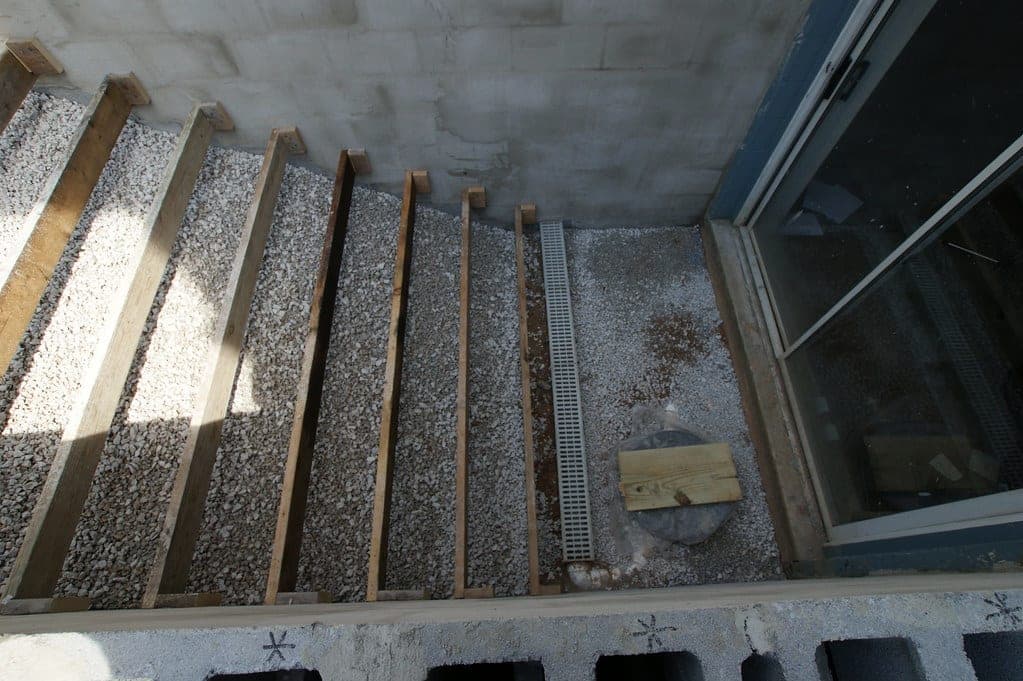
Total dynamic head is the vertical lift from the water level in the basin to the discharge point, plus the friction loss in the pipe and fittings. In a typical basement bathroom the vertical part is eight to twelve feet. Friction in a 2 in line is modest but not zero, and every elbow adds some.
- Measure the vertical lift from the normal water level in the basin to the point where the discharge ties into the gravity drain. That is the bulk of your head.
- Add for the horizontal run. A long horizontal leg adds friction loss; a rough rule used in the trade is to count a fraction of the horizontal length as additional equivalent head, and to count each elbow as several feet of pipe. If the run is long, a grinder pump is the conversation rather than a bigger ejector.
- Read the flow at that head, not at zero. A pump quoting 160 GPM at 0 ft and 118 GPM at 10 ft is telling you the truth; a pump quoting only the first number is telling you half of it.
- Do not buy horsepower to cover a sizing gap. All four pumps here are 1/2 HP and their published flows at 10 ft differ by more than a factor of two. Horsepower is not capacity.
- Check the basin diameter against the float. A wide-angle float needs room to swing. This is the most common reason a correctly chosen pump short-cycles or hangs up.
What else the installation needs
- A gas-tight, bolted cover with a gasket. Sewer gas is not merely unpleasant; this is why a sewage basin is sealed and a sump pit is not.
- A vent. The basin has to be vented to the plumbing vent system so the pump is not fighting pressure and the gas has somewhere to go. This is a code requirement, not an upgrade.
- A check valve on the discharge. Without one, everything in the vertical pipe drains back into the basin after every cycle and the pump runs again immediately. The best sump pump check valves covers the hardware; a sewage install wants a full-port valve in 2 in rather than anything that reduces the bore.
- A dedicated outlet on an adequate circuit. No extension cords, and no sharing a circuit with anything that cycles.
- A high-water alarm. A sewage basin that overflows is a different kind of day than a sump pit that overflows. The best sump pump alarms and monitors covers units that watch a level and tell you before it is on the floor.
- Local code, and probably a permit. Below-grade sanitary work is inspected in most jurisdictions. Check before the concrete is cut, not after.
Where this fits with keeping the basement dry
This site is about groundwater, and a sewage ejector has nothing to do with it. They end up in the same basement, though, and they fail in ways that get confused with one another. Three things worth knowing if you have both:
- They are separate basins and must stay separate. Never tie a sump discharge into a sewage basin or a sanitary line — in most jurisdictions that is explicitly prohibited, and it loads your sewer bill with rainwater.
- A smell from a basin is diagnostic. A sewage basin that smells has a cover, gasket or vent problem. A sump pit that smells is a different story, covered in sump pump smells like sewage.
- The alarm is worth more than the upgrade. Knowing a pump has stopped is worth more than ten percent more flow, for either pump. That is as true of the ejector as it is of the sump pump.
Questions people ask
What is the best sewage ejector pump for a basement bathroom?
For most basement bathrooms, the Liberty LE51A: Liberty publishes 118 GPM at 10 ft of total dynamic head in its own literature, it passes 2 in solids, it uses an oil-filled thermally protected motor, and the retail listings carry a three-year limited warranty. The Zoeller Waste-Mate 267 is the heavier-duty alternative with a non-clog vortex impeller, and the Superior 93015 kit is the cheaper route if you also need the basin, cover and check valve.
Can I use a sump pump instead of a sewage ejector pump?
No. A sump pump is designed for clear groundwater and typically passes solids of half an inch or less, so waste from a toilet will jam it. The basin matters too: a sewage basin has to be gas-tight and vented to the plumbing vent system, which a sump pit is not. Using a sump pump on waste water is the most common and most expensive mistake in basement pumping.
What size sewage ejector pump do I need?
For a single basement bathroom, a 1/2 HP pump that passes 2 in solids is the standard choice — all four picks on this page are that size. What separates them is flow at your actual lift, not horsepower: measure the vertical distance from the water level in the basin to where the discharge ties into the gravity drain, add for the horizontal run and elbows, then read each pump's flow at that head rather than its 0-ft figure.
What is the difference between a sewage pump and an effluent pump?
Solids passage. A sewage ejector passes 2 in solids and handles raw waste including toilet discharge. An effluent pump typically passes about 3/4 in and is built for grey water or for the liquid leaving a septic tank — showers, sinks and laundry, with no toilet on the line. Putting an effluent pump on a toilet will jam it, which is why the Liberty 280-series in our registry is labeled grey water only.
Do I need a grinder pump instead?
Only if the run is hard. A grinder macerates solids so it can push waste a long way through a smaller pipe, and it costs considerably more and draws more current. For a basement bathroom with a normal 2 in discharge and a lift of eight to twelve feet, a 2 in solids ejector is the conventional and cheaper answer. A long horizontal run, an undersized existing pipe, or a pressurized sewer connection are the cases that call for a grinder.
Does a sewage ejector basin need a vent?
Yes, and a gas-tight bolted cover with it. The basin has to be vented into the plumbing vent system so the pump is not working against pressure and so sewer gas does not enter the basement. This is a code requirement in US jurisdictions rather than an optional extra, and below-grade sanitary work is usually inspected. Check your local requirements before the slab is cut.
How long does a sewage ejector pump last?
Service life depends far more on duty cycle and what goes down the drain than on brand. The practical levers are the ones this page ranks on: a cast-iron housing and an oil-filled thermally protected motor for heat, a non-clog or vortex impeller for what comes through, and a check valve so the pump is not re-pumping the same column of waste after every cycle. A high-water alarm will not extend the pump's life, but it will tell you the day it ends.
Why do you not list prices for these pumps?
Because a price written into an article in November is wrong by December, and pump pricing in this category moves with distributor stock. Every buy button here goes to the live listing so you see the current price rather than ours.
Sources
- Liberty Pumps LE50-series sales literature: 118 GPM at 10 ft TDH, 25 ft maximum head, 2 in solids, oil-filled thermally protected motor, 10 ft cord (an older edition of the same sheet quotes 112 GPM at 10 ft)
- First Supply listing for the Liberty LE51A: 1/2 hp, 115 VAC, 2 in flanged outlet, cast iron, 12 A (checked 2026-11-19)
- Septic Solutions listing for the Liberty LE50-series 1/2 HP sewage ejector pump, including the three-year limited warranty
- Zoeller 267-0032 (BN267) specification sheet: 2 in solids, 2 in NPT discharge, 21.5 ft shut-off head, 9.4 A at 115 V
- Zoeller 267-0050 (M267 Waste-Mate) distributor listing
- Wayne RPP50 operating instructions and parts manual: 2 in solids, 2 in NPT discharge, 15 A minimum circuit, flow table 5,700 / 4,560 / 3,240 / 900 GPH at 0, 5, 10 and 15 ft (a second manual edition quotes 6,200 GPH at 0 ft and 4,800 at 5 ft)
- PlumbersStock listing for the Wayne RPP50: 5,700 GPH, 120 V, 15 A, 2 in NPT outlet, 33 to 133 F (checked 2026-11-19)
- Farm & Fleet listing for the Wayne 1/2 HP cast iron submersible sewage pump, the source of the one-year warranty figure (checked 2026-11-19)
- Tractor Supply listing for the Superior Pump 93015 pre-assembled simplex sewage kit: 80 GPM, 18 x 30 in basin with 18 in cover, check valve and snap-in plug, pump model 93501 (checked 2026-11-19)
- Power Equipment Direct listing for the Superior 93015: 4,800 GPH, 25 ft maximum head, 2 in solids, 2 in NPT discharge, cast aluminum vortex impeller, one-year warranty (checked 2026-11-19)
- DK Hardware listing for the Superior 93015: 1 phase, 7.6 A, 120 V, 0.5 HP, 2 in outlet, 25 ft max head, 80 GPM, iron (checked 2026-11-19)
- Google autocomplete (suggestqueries, gl=us, 2026-11-19) for the queries this page targets
Read next
Sump pump vs sewage ejector pump
Three pumps that look alike and are not interchangeable. The dividing line is what the water has in it, not how much water there is.
The best sump pit basins
The hole constrains everything else. Get it wrong and you spend the next decade choosing pumps around a basin that is too small.
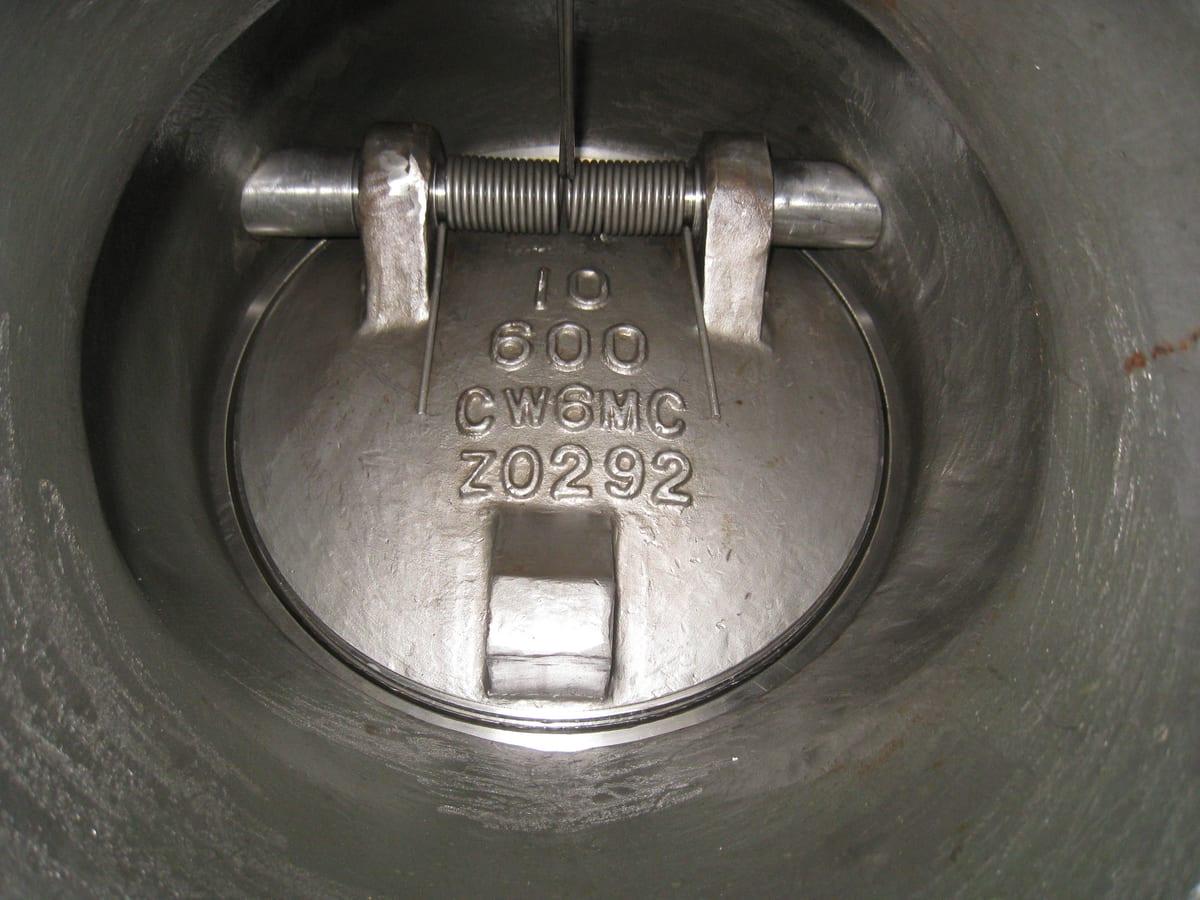
The best sump pump check valves
A forty-dollar valve is the single most common reason a healthy pump appears to be failing. It is also the easiest thing in the pit to replace.

Sump pump alarms and monitors
A floor alarm tells you the pit has already lost. A monitor tells you the pump stopped cycling three days ago, which is a much more useful message.
The best sump pumps, ranked by what they move at real lift
Five pumps that cover almost every residential pit, compared on the number that matters: how much water they move at the height your basement actually needs.