The best crawl space ventilation fans
A fan on a humidistat is the right tool for a vented crawl space that will not dry out. In the wrong climate, the same fan pumps humid outdoor air under your house all summer. Read the first section before you buy.
We earn a commission if you buy through our Amazon links, at no cost to you. We do not bench-test these products and we never take free product — how we pick · affiliate disclosure
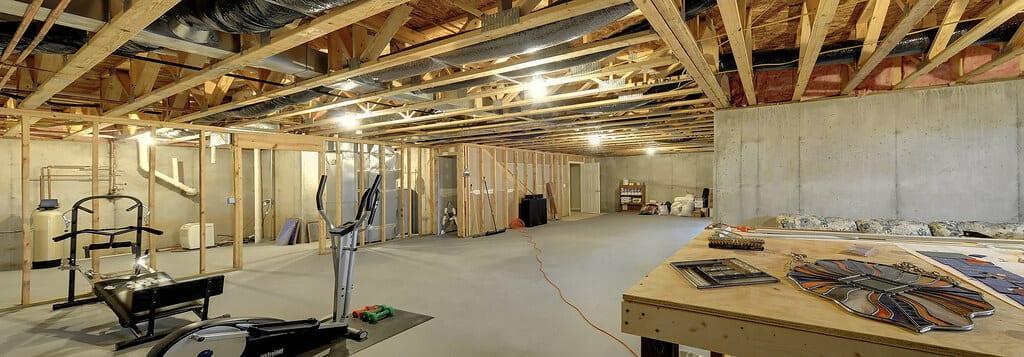
Before anything else: a fan ventilates a crawl space with outdoor air, and outdoor air is only a solution if it is drier than the air already under your house. In much of the US, for several months of the year, it is not. That single fact decides whether anything on this page is the right purchase.
How we ranked these
Five criteria, in this order:
- What triggers the fan? A humidistat matches the problem. A thermostat matches the weather. In a damp crawl space those are not the same thing, and this criterion moved two picks on the page.
- Is there freeze protection? An unheated crawl space with water lines in it should not be ventilated with sub-freezing air. One fan here has that interlock built in; the others leave it to you.
- Published airflow, and at what static pressure. A 0-inch figure is the flow with nothing in the way. Add a screen and a louver and it drops sharply — which is why we rate a published curve above a big headline number.
- Is it built for a crawl space? Weather hood, insect screen, wall fitting, damp tolerance. A duct fan can do this job well and it does not arrive ready for it.
- Airflow per dollar, last. It matters, and it matters less than the four things above, because a cheap fan running on the wrong trigger is a machine for making the problem worse.
Quick picks
| # | Product | Best for | Score | Price |
|---|---|---|---|---|
| 1 | 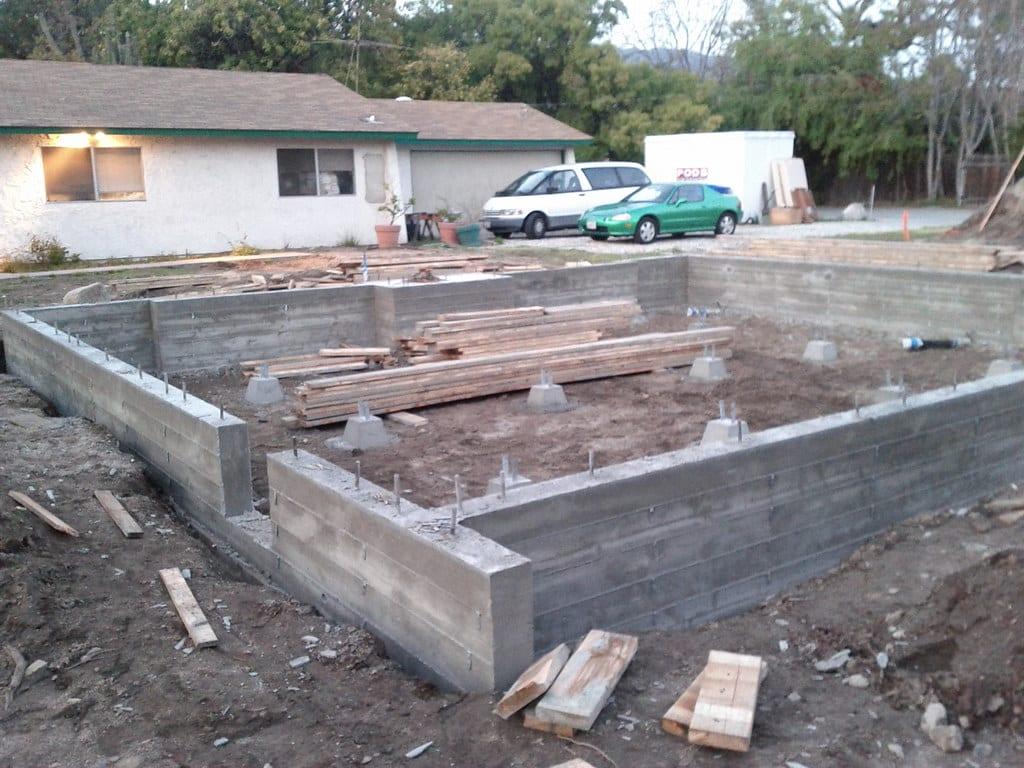 Tjernlund UnderAire V2D crawl space ventilatorThe purpose-built option: 220 CFM from two fans in one through-wall housing, with an adjustable dehumidistat and a freeze-protection thermostat that stops it running in cold outdoor air. | A vented crawl space that needs real air movement | 9.0 | Check price on Amazon #ad we earn a commission · Amazon shows the current price |
| 2 |  AC Infinity CLOUDLINE T6 (6" inline duct fan system)A 6-inch inline duct fan whose controller triggers on humidity from 35% to 85% RH or temperature, drives two fans at once, and reads from a probe on a 12-foot lead. | Control, quiet and a sensor you can put where the problem is | 8.6 | Check price on Amazon #ad we earn a commission · Amazon shows the current price |
| 3 |  iLIVING ILG8SF12V-ST 12" shutter exhaust fanA 12-inch shutter exhaust fan that publishes 960 CFM at zero static pressure and 490 CFM at 0.125", with a thermostat rather than a humidistat. | The budget pick: the most airflow per dollar | 7.5 | Check price on Amazon #ad we earn a commission · Amazon shows the current price |
| 4 | Tjernlund XchangeR X2D reversible fanA reversible through-wall fan on a dehumidistat: 90 CFM with one fan and 180 with two, and it can push air in as well as pull it out. | One usable opening, or a basement rather than a crawl space | 7.8 | Check price on Amazon #ad we earn a commission · Amazon shows the current price |
Scores are ours and editorial, not lab measurements — see how we pick. Tap a row for the full write-up.
Tjernlund UnderAire V2D crawl space ventilator
The purpose-built option: 220 CFM from two fans in one through-wall housing, with an adjustable dehumidistat and a freeze-protection thermostat that stops it running in cold outdoor air.
#ad we earn a commission · Amazon shows the current price
| Type | Through-wall crawl space ventilator, two fans in one housing |
|---|---|
| Airflow | 220 CFM, Tjernlund's highest-output crawl space ventilator |
| Control | Adjustable dehumidistat, published range 20% to 80% RH on the V1D sheet for the same control |
| Freeze protection | Thermostat on at 50 F, off at 35 F, so the fan will not run in freezing outdoor air |
| Electrical | 115 V, 1 phase, 60 Hz; 0.60 A for the two motors |
| Dimensions | 18" x 9" x 2" (V1D sheet, same housing family) |
| Sizing rule | Tjernlund's catalog: divide crawl space volume by 15 for the CFM needed to turn the air over in 15 minutes |
| Warranty conflict (recorded, not resolved) | Tjernlund's own manuals state a limited one-year warranty; the Sylvane retail listing advertises five years |
| Warranty | One year, limited, per Tjernlund's manual (a retailer advertises five years) |
There is one feature that separates a crawl space fan from a fan you happen to have put in a crawl space, and it is the trigger. A thermostat-controlled fan runs when it is warm, which in July is exactly when the outdoor air is carrying the most moisture. A humidistat-controlled fan runs when the air under your house is too wet. Tjernlund's V1D and V2D are controlled by an adjustable dehumidistat, and on the specification sheet for the same control family the published range is 20% to 80% RH.
The second feature worth paying for is the freeze thermostat. On the V1 sheet it holds the fan off below 35 F and allows it above 50 F, which keeps you from ventilating sub-freezing air across pipes in a space that has no heat in it. Anyone who has had a crawl space supply line split knows why that matters, and it is the control that a general-purpose fan does not have.
On capacity: Tjernlund's own catalog says to divide the crawl space volume by 15 to get the CFM needed to turn the air over in fifteen minutes, and to use either two V1-class units or one V2D. Measure before you buy. A 1,500 sq ft crawl space with three feet of clearance is 4,500 cubic feet, which by that rule wants about 300 CFM — more than one V2D.
The honest mark against it is the warranty confusion. Tjernlund's manuals say one year. A reputable retailer advertises five. We have not been able to reconcile those and we are not going to split the difference: assume one year, ask the seller in writing if the longer term is what you are buying, and keep the receipt either way.
What it gets right
- Triggered by humidity, not temperature. The dehumidistat runs the fan when the relative humidity under the house rises above your set point, which is the only trigger that matches the problem
- A freeze-protection thermostat holds the fan off in cold outdoor air — the same control that stops you ventilating pipes into a freeze
- 220 CFM from two fans in one housing, which Tjernlund describes as its highest-output crawl space ventilator
- Mounts through the foundation wall in a vent opening rather than needing duct runs, mounting straps and a sensor lead
- Tjernlund publishes an actual sizing rule — divide the crawl space volume by 15 for the CFM that turns the air over in fifteen minutes — which is more guidance than anyone else in this class gives
- 0.60 A for both motors at 115 V, so it can share an existing circuit without drama
- Designed and documented for this exact application, which is rarer in this category than you would expect
Where it falls short
- The warranty is contradictory: Tjernlund's own manuals state a limited one-year term and the Sylvane listing advertises five years. We treat the manufacturer document as authoritative, which makes this a one-year product at a purpose-built price
- 220 CFM is modest next to a shutter fan. By Tjernlund's own volume-divided-by-15 rule, a large crawl space needs more than one unit
- It is the most expensive way to move 220 CFM on this page by a wide margin — you are paying for the control and the housing, not the air
- Fitting it means opening up or adapting a foundation vent, and the opening has to be weather-sealed afterwards
- The dehumidistat set point is a dial, not an app. There is no logging, no alert and no history to look at
- It ventilates. If the outdoor air is wetter than the crawl space air, ventilating is the wrong action and no control on this unit knows the difference
Specifications from Tjernlund UnderAire crawl space ventilator installation and operation manual: dehumidistat control on V1D and V2D, freeze-protection thermostat, limited one-year warranty, Tjernlund UnderAire crawl space ventilator catalog: sizing by volume divided by 15, and the two-V1 or one-V2D recommendation, Tjernlund V1/V1D specification sheet: dehumidistat 20-80% RH, thermostat on at 50 F and off at 35 F, 18 x 9 x 2 in, Grainger specification PDF for the V2D: 0.60 A for two motors at 115 V / 1 / 60, Zoro listing: 220 CFM crawl space fan, automatic (checked 2026-11-19).
AC Infinity CLOUDLINE T6 (6" inline duct fan system)
A 6-inch inline duct fan whose controller triggers on humidity from 35% to 85% RH or temperature, drives two fans at once, and reads from a probe on a 12-foot lead.
#ad we earn a commission · Amazon shows the current price
| Type | 6" inline mixed-flow duct fan with a temperature and humidity controller |
|---|---|
| Airflow | 402 CFM on AC Infinity's own PRO T-series table (one source quotes 425 CFM for the shared S6 fan body) |
| Control range | Humidity triggers from 35% to 85% RH; temperature triggers from 32 to 140 F |
| Controller capacity | Drives two inline duct fans of any size from one controller |
| Sensor | Thermal alloy probe on a 144 in lead, so the sensor can sit away from the fan |
| Bearings | Dual ball bearings, L10 life expectancy quoted at 67,000 hours |
| Power | 100 to 240 VAC, 50/60 Hz |
| Noise | 32 dBA on retailer spec tables |
| Ingress rating (conflict recorded) | AC Infinity's T6 table lists IP44; a retailer notes the manual says IP54 |
| Mounting | Horizontal or vertical |
| Warranty | Two years, limited, on the S6 that shares this fan body; no separate T6 term found in the listings reached |
If you are willing to design the installation rather than buy it, this is the most capable thing on the page. The controller is the reason: a humidity trigger with a real range, a temperature trigger as an alternative, variable speed rather than on-off, and a sensor on a twelve-foot lead so you measure where the damp is instead of where the fan is.
The two-fan capability is worth thinking about. Ventilating a crawl space through a single opening is inefficient because the air short-circuits — it comes in and goes straight back out beside the fan. Two fans on one controller, at opposite ends, move air across the whole floor. In a long crawl space that is the difference between ventilating a corner and ventilating a house.
What you are giving up is the purpose-built hardware. There is no weather hood, no screen, no freeze interlock and no wall flange. You will need duct, a termination and a sealed penetration, and you should think carefully about the ingress rating given that the published figures disagree. A crawl space is wet, dusty and occasionally home to things that chew. Mount it where it stays dry, and screen every opening you make.
What it gets right
- The controller triggers on humidity between 35% and 85% RH, or on temperature from 32 to 140 F, so you can set the behavior the space actually needs
- 402 CFM on AC Infinity's own table for the 6-inch unit, which is nearly double the purpose-built ventilator for less money
- The sensor probe sits on a 144-inch lead, so you can measure humidity in the far corner of the crawl space while the fan sits at the vent — the single most useful thing about this product in this application
- One controller can drive two inline fans, which is how you ventilate a large crawl space properly: pull from one end, push at the other
- 32 dBA on the retailer spec tables and dual ball bearings with a quoted L10 life of 67,000 hours
- Speed is variable rather than on-off, so you can run it slowly and continuously instead of cycling hard
- Mountable horizontally or vertically, and it runs on 100 to 240 VAC
Where it falls short
- This is a duct fan, not a crawl space ventilator. There is no weather hood, no insect screen and no wall plate in the box — you are building the installation around it
- The ingress rating is unresolved: AC Infinity's T6 table lists IP44 and a retailer reports the manual saying IP54. A crawl space is a damp, dirty place and that difference matters
- No freeze-protection logic of the kind the Tjernlund has. A temperature trigger can be configured, but it is your job to think it through
- Airflow figures conflict between sources: 402 CFM on AC Infinity's PRO T table against 425 CFM quoted for the shared S6 fan body
- We found a two-year limited warranty published for the S6 that shares this fan body and no separate T6 term in the listings we reached
- It is sold into the grow-tent market, so listings and stock move around; one AC Infinity page showed it out of stock while we were checking
- You need duct, a vent termination and a way to seal the penetration. Budget for parts that are not in the box
Specifications from AC Infinity CLOUDLINE T6 product page: controller humidity range 35-85% RH, temperature 32-140 F, dual ball bearings, 100-240 VAC, B&H listing for the CLOUDLINE T6 (checked 2026-11-19), Sylvane listing for the CLOUDLINE S6, which shares the fan body and carries a two-year limited warranty (checked 2026-11-19).
iLIVING ILG8SF12V-ST 12" shutter exhaust fan
A 12-inch shutter exhaust fan that publishes 960 CFM at zero static pressure and 490 CFM at 0.125", with a thermostat rather than a humidistat.
#ad we earn a commission · Amazon shows the current price
| Type | Wall-mounted shutter exhaust fan with automatic shutters |
|---|---|
| Airflow | 960 CFM at 0.00" static pressure, 490 CFM at 0.125", 360 CFM at 0.25" (owner's manual table) |
| Control | Thermospeed controller: temperature and fan speed. This is a thermostat, not a humidistat |
| Motor | 65 W, 0.6 A, 1,650 RPM |
| Blade | 12" |
| Size | 15" x 15", about 5-3/4" deep; suggested wall opening 13" |
| Electrical | Manual lists 115 V; retailer listings say 120 V. Some versions plug in, some require hardwiring |
| Coverage conflict (recorded, not resolved) | Retail listings quote coverage up to 1,400 sq ft; one retailer says up to 200 sq ft |
| Warranty | One year (retailer listings) |
We include this because for a large vented crawl space in a dry climate, or for drying a space out after a plumbing leak, airflow per dollar is the thing that matters and nothing else here is close. The published table is also better than the category norm: three static pressure points rather than one marketing number, which tells you honestly that the 960 CFM headline collapses to 490 once there is a screen and a louver in the way.
The reason it is not higher is the control. A thermospeed controller reacts to heat. The problem in a crawl space is moisture, and in most of the US the hottest air of the year is also the wettest. A fan that runs hardest in August is, in a humid climate, a machine for importing water vapor and condensing it on cool surfaces under your house. If you buy this fan, either put it on a separate humidistat or run it deliberately — during dry weather, or while you are actively drying the space out — rather than leaving the thermostat in charge all summer.
Plan the opening before you buy. Thirteen inches through a foundation wall is a masonry job, it has to be flashed and sealed, and it has to be screened. If you do not want to make a hole that size, the through-wall ventilator at the top of this page is designed to fit a vent opening instead.
What it gets right
- The owner's manual publishes a real performance table rather than one number: 960 CFM at 0.00" static pressure, 490 CFM at 0.125" and 360 CFM at 0.25". Very few fans in this price class show you the curve
- By far the cheapest way to move serious air, and the only pick here that can turn over a large crawl space on its own
- Automatic shutters close when the fan stops, which keeps weather and some pests out of the opening when it is idle
- 65 W and 0.6 A at 1,650 RPM, so the running cost of all that airflow is small
- Variable speed as well as the thermostat, so it does not have to run flat out
- Widely stocked, including versions that plug into an outlet rather than needing a hardwired connection
Where it falls short
- The controller is a thermospeed controller: it reacts to temperature, not humidity. In a humid climate that means the fan runs hardest in the weather that carries the most moisture into the crawl space. This is the reason it is third and not first
- It needs a 13" wall opening per the manual, and the body is 15" x 15" and about 5-3/4" deep. That is a serious hole in a foundation wall, not an adapted vent
- Coverage claims conflict badly: retail listings quote up to 1,400 sq ft while one retailer says up to 200 sq ft. Neither figure tells you anything about your crawl space volume — use the volume-divided-by-15 rule instead
- Voltage and certification figures disagree across sources: the manual lists 115 V and a UL/CUL 507 listing, while retail listings say 120 V and UL705
- One year warranty on the listings we reached
- The 960 CFM headline is a 0.00" static pressure figure. Add a screen, a louver and any restriction and you are on the 490 CFM line or below
- No freeze protection of any kind, so in a cold snap it is on you to switch it off
Specifications from iLIVING ILG8SFV-ST owner's manual: performance table 960 CFM at 0.00" SP, 490 at 0.125", 360 at 0.25", suggested 13 in wall opening, Zoro listing: 65 W, 960 CFM at 0.000 in SP, thermospeed controller (checked 2026-11-19), HomElectrical listing: 12 in wall-mounted shutter exhaust fan with controller, 120 V, one-year manufacturer warranty (checked 2026-11-19), Sylvane listing for the same fan, the source of the conflicting 200 sq ft coverage figure (checked 2026-11-19).
Tjernlund XchangeR X2D reversible fan
A reversible through-wall fan on a dehumidistat: 90 CFM with one fan and 180 with two, and it can push air in as well as pull it out.
#ad we earn a commission · Amazon shows the current price
| Type | Reversible through-wall fan for a basement or crawl space: exhausts or brings air in |
|---|---|
| Airflow | 90 CFM with one fan, 180 CFM with two (Tjernlund catalog) |
| Control | Dehumidistat that cycles the fan on a set relative humidity level |
| Electrical | 120 V; catalog lists 0.3 A for one fan and 0.6 A for two |
| Why reversible matters | A space with one usable opening can be pressurized or depressurized rather than only exhausted |
| Warranty | One year (retailer listing) |
The reason to buy this rather than the V2D is direction. An exhaust-only fan depressurizes the space it is pulling from, and a depressurized crawl space pulls replacement air from wherever it can — including the soil, which is how radon and soil gas get drawn into a house. If that is a concern, or if the space has only one usable opening, a reversible fan lets you push filtered outdoor air in and let it leave through the remaining vents instead.
The trade is airflow. Ninety CFM from one fan, 180 from two, against 220 from the V2D and 490 real-world CFM from the shutter fan. This is a tool for a small crawl space, a basement, or a specific pressure problem — not a way to ventilate a big footprint.
If radon is the actual question, note that ventilating a crawl space is not a radon mitigation system and should not be treated as one. Sealing the floor and venting the soil beneath it is a different job, and this site's radon-ready pit covers page covers the part of it that touches a sump pit.
What it gets right
- Reversible, which is the whole point: a space with one usable opening can be pressurized or depressurized rather than only exhausted
- Dehumidistat control, so it cycles on relative humidity like the V2D rather than on temperature
- Works in a basement as well as a crawl space, which the purpose-built crawl ventilators are not sold for
- 0.3 A for one fan and 0.6 A for two on the catalog figures — a negligible electrical load
- Being able to push air in matters when exhausting would pull soil gas, radon or combustion products from somewhere you do not want
Where it falls short
- 90 CFM with a single fan is the lowest airflow on this page by a long way, and 180 CFM with two is still modest
- One-year warranty on the retailer listing
- Airflow figures come from a catalog table rather than a published curve, so there is no flow-at-static-pressure data to size against
- Like every fan here, it ventilates with outdoor air and does not know whether that air is drier than the air it is replacing
- In a crawl space big enough to need ventilating at all, you will probably need two
Specifications from Sylvane listing for the Tjernlund XchangeR X2D reversible basement fan, including the one-year warranty (checked 2026-11-19), Tjernlund catalog: X2D airflow of 90 CFM for one fan and 180 CFM for two, and the dehumidistat control, Grainger specification PDF covering the X2D dehumidistat control.
The four, side by side
| Tjernlund V2D | AC Infinity CLOUDLINE T6 | iLIVING 12in shutter | Tjernlund XchangeR X2D | |
|---|---|---|---|---|
| Published airflow | 220 CFM | 402 CFM | 960 CFM at 0.00", 490 at 0.125" | 90 CFM one fan, 180 two |
| Trigger | Adjustable dehumidistat | Humidity 35-85% RH or temperature | Thermostat (thermospeed) | Dehumidistat |
| Freeze protection | Yes, on at 50 F / off at 35 F | No dedicated interlock | No | Not published |
| Reversible | No | No (install determines direction) | No | Yes |
| Built for a crawl space | Yes, through-wall housing | No, it is a duct fan | Wall-mount exhaust fan | Yes, through-wall housing |
| Remote sensor | No | Yes, probe on a 144 in lead | No | No |
| Electrical | 115 V, 0.60 A | 100-240 VAC | 65 W, 0.6 A | 120 V, 0.3 A one fan |
| Opening needed | Foundation vent opening | Duct penetration you build | About 13" | Foundation vent opening |
| Published warranty | One year in the manual, five advertised by a retailer | Two years on the S6 sharing this fan body | One year | One year |
That last caption is not boilerplate. A 960 CFM shutter fan and a 220 CFM through-wall ventilator are not four times apart in practice, because one number is measured with nothing in front of the fan and the other is a rated application figure. Where a manufacturer publishes a curve, read it at the restriction you are actually going to build.
Sizing a crawl space fan
There is one published rule in this category worth using, and it is Tjernlund's: divide the crawl space volume in cubic feet by 15 to get the CFM that will turn the air over in fifteen minutes.
- Measure the footprint and the clearance. Length times width times average height, in feet, gives you the volume in cubic feet.
- Divide by 15. A 1,200 sq ft crawl space with 3 ft of clearance is 3,600 cubic feet, so about 240 CFM.
- Then derate for the installation. Screens, louvers, duct and elbows all cost you flow. If the manufacturer publishes a curve, read the figure at a realistic static pressure rather than at zero.
- Plan for cross-flow, not a single hole. Air that enters and leaves next to each other ventilates one corner. Pull at one end and allow or push air in at the other.
- Set the humidistat, then check it with a cheap hygrometer in a far corner. The control is only as good as the humidity reading it is working from, which is the argument for the pick with a remote probe.
Do the cheaper thing first
Almost every crawl space with a humidity problem has a moisture source, and in most cases it is the ground. Before you buy a fan, there are two jobs that cost less and do more:
- Cover the soil. Bare dirt gives off water continuously. A sealed ground vapor barrier is the highest-value intervention in a crawl space, full stop — see the best crawl space vapor barriers and how to install a crawl space vapor barrier.
- Get the liquid water out. Standing water under a house is not a ventilation problem. The best crawl space sump pumps and the best crawl space sump pump kits cover the hardware, and no fan will dry a space that is still taking on water.
- Then decide between ventilating and sealing. Vented vs sealed crawl space is the decision, and encapsulation vs vapor barrier covers how far to take the sealed route.
When a dehumidifier is the right answer instead
If the crawl space is sealed or encapsulated, a ventilation fan is working against the thing you paid for. A sealed crawl space keeps outdoor air out on purpose, and its humidity is managed either by conditioned air from the house or by a dehumidifier sized for the space. Three situations point that way:
- The space is already encapsulated. Do not ventilate it. Dehumidify it — the best crawl space dehumidifiers covers units built for the conditions, including drainage so you are not emptying a bucket under a house.
- Your summers are humid. Ventilating with 85% RH outdoor air will not get a crawl space below 85% RH, whatever the fan costs. A dehumidifier makes the air drier; a fan only swaps it.
- You want a number you can check. Basement humidity level sets the targets. If you cannot get under 60% by ventilating on the driest days of the year, ventilating is not your tool.
Installation notes that save a callback
- Screen every opening. A powered opening in a foundation wall is an invitation. Hardware cloth over the intake and the discharge, not just insect screen.
- Seal the penetration. Flash and seal around the housing. An unsealed opening lets bulk water in during wind-driven rain, which is a worse problem than the one you were solving.
- Keep the fan out of standing water. None of these is rated for submersion, and the ingress rating on one of them is unresolved between sources.
- Put the sensor where the damp is. The far corner, near the ground, not next to the fan in the airstream. This is the one real advantage of the pick with a 12-foot probe lead.
- Give it a dedicated circuit if you can, and never run a fan on an extension cord through a vent opening.
- Switch it off before a freeze unless it has a freeze interlock, and check on the pipes.
Questions people ask
What is the best crawl space ventilation fan?
For a vented crawl space, the Tjernlund UnderAire V2D: 220 CFM from two fans in one through-wall housing, an adjustable dehumidistat so it runs on humidity rather than temperature, and a freeze-protection thermostat that holds it off in cold outdoor air. If you are willing to build the installation, the AC Infinity CLOUDLINE T6 offers more airflow, a humidity trigger from 35% to 85% RH and a remote sensor probe for less money.
Do crawl space fans actually work?
They work when the outdoor air is drier than the air under the house, and they work against you when it is not. That is why the control matters more than the airflow: a humidistat runs the fan when the crawl space is too wet, while a thermostat runs it when the weather is hot, which in most of the US is also when outdoor air carries the most moisture. In a sealed or encapsulated crawl space, a ventilation fan undoes the sealing and a dehumidifier is the correct tool.
What size fan do I need for my crawl space?
Tjernlund's published rule is to divide the crawl space volume in cubic feet by 15, which gives the CFM needed to turn the air over in fifteen minutes. A 1,200 sq ft crawl space with 3 ft of clearance is 3,600 cubic feet and so wants roughly 240 CFM. Then derate for the installation: screens, louvers and duct all reduce real airflow below the headline figure, which is measured with nothing in the way.
Should a crawl space fan run on a humidistat or a thermostat?
A humidistat. The problem in a crawl space is moisture, so the control should respond to relative humidity rather than to temperature. A thermostat-controlled fan runs hardest in hot weather, and in a humid climate that means it is pulling the wettest air of the year into a space full of surfaces cooled by the ground. If you buy a thermostat-controlled fan, either add a separate humidistat or run it deliberately during dry weather.
Can a crawl space fan make humidity worse?
Yes, and this is the most common way money gets wasted in this category. Ventilating with air at 85% relative humidity cannot bring a crawl space below 85% relative humidity, and warm humid air meeting cool surfaces under a house condenses on them. Check your local summer humidity before buying, keep the fan on a humidistat, and if the space is encapsulated do not ventilate it at all.
Is a vapor barrier better than a fan?
In almost every crawl space, yes, and it is usually cheaper. Most of the moisture under a house arrives from the soil rather than from the air, so sealing the ground with a vapor barrier removes the source instead of diluting the symptom. Cover the soil and deal with any standing water first, then decide whether ventilation or dehumidification is the right finish.
Will a crawl space fan help with radon?
Not reliably, and it is not a radon mitigation system. Worse, an exhaust-only fan depressurizes the crawl space, which can pull more soil gas in through the floor. If soil gas is the concern, a reversible fan that can push air in rather than only pull it out is the safer configuration, and proper mitigation means sealing the floor and venting the soil beneath it — a different job with its own standards.
Why do you not list prices for these fans?
Because a price written into an article in November is wrong by December, and several of these fans are sold across hardware, HVAC and grow-equipment channels at different prices on the same day. Every buy button here goes to the live listing so you see the current price rather than ours.
Sources
- Tjernlund UnderAire crawl space ventilator installation and operation manual: V1D and V2D controlled by a dehumidistat, freeze-protection thermostat, limited one-year warranty
- Tjernlund UnderAire crawl space ventilator catalog: adjustable dehumidistat on V1D and V2D, sizing by crawl space volume divided by 15, two V1-class units or one V2D
- Tjernlund V1/V1D specification sheet: dehumidistat range 20-80% RH, thermostat on at 50 F and off at 35 F, 18 x 9 x 2 in
- Grainger specification PDF: V2D motor draw 0.60 A at 115 V / 1 / 60, and the X2D dehumidistat control
- Sylvane listing for the Tjernlund UnderAire V2D: 220 CFM, and the five-year warranty claim that conflicts with the manufacturer manual (checked 2026-11-19)
- Sylvane listing for the Tjernlund XchangeR X2D reversible basement fan, including the one-year warranty (checked 2026-11-19)
- Tjernlund catalog: X2D airflow of 90 CFM for one fan and 180 CFM for two
- AC Infinity CLOUDLINE T6 product page: controller humidity range 35-85% RH, temperature 32-140 F, two fans per controller, dual ball bearings with 67,000 hour L10 life, 100-240 VAC
- B&H listing for the AC Infinity CLOUDLINE T6 (checked 2026-11-19)
- Sylvane listing for the CLOUDLINE S6, which shares the fan body and publishes a two-year limited warranty (checked 2026-11-19)
- iLIVING ILG8SFV-ST owner's manual: 960 CFM at 0.00" static pressure, 490 at 0.125", 360 at 0.25", suggested 13 in wall opening, UL/CUL 507
- Zoro listing for the iLIVING ILG8SF12V-ST: 65 W, 0.6 A, 1,650 RPM, 960 CFM at 0.000 in SP, thermospeed controller (checked 2026-11-19)
- HomElectrical listing for the same fan: 120 V, one-year manufacturer warranty (checked 2026-11-19)
- Google autocomplete (suggestqueries, gl=us, 2026-11-19) for the queries this page targets
Read next
Vented vs sealed crawl space
Decades of building code said vent it. Current practice in most US climates says seal it. Both are defensible; the half-measure is not.
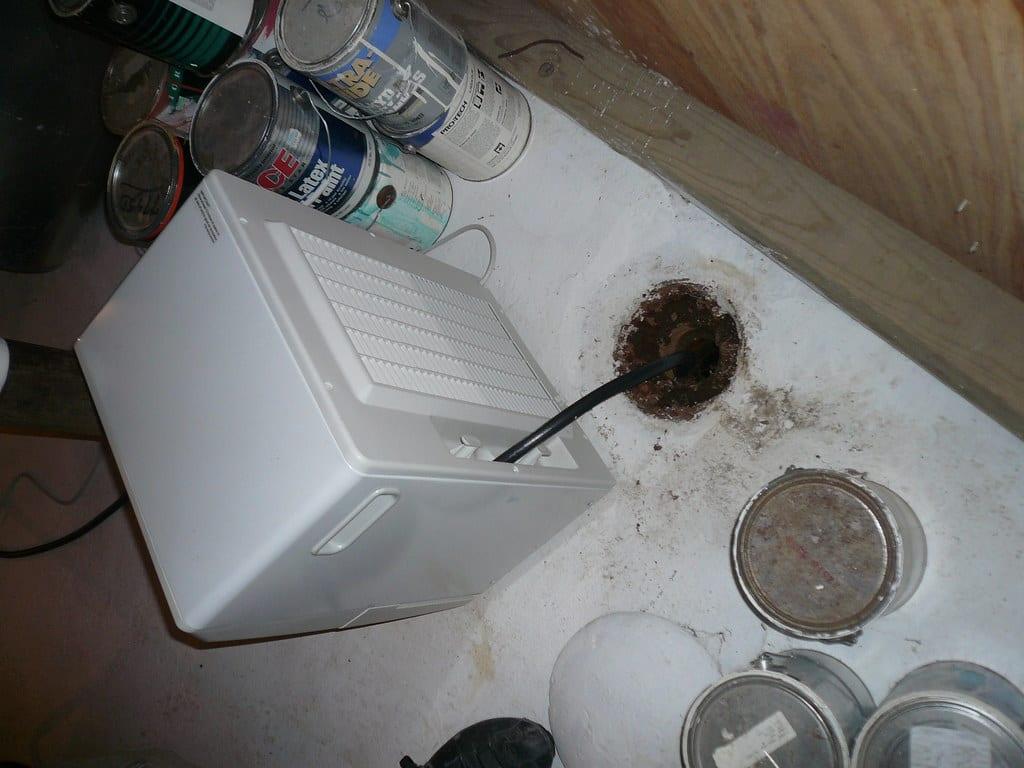
The best crawl space dehumidifiers
Nobody empties a bucket under a house. In a crawl space the condensate pump is not a convenience feature, it is the feature.
The best crawl space vapor barriers
Bare soil evaporates into your house all year. Covering it properly is the cheapest large improvement available under a floor.
Encapsulation vs vapor barrier
The same roll of plastic can be either, depending on how far you take it. The difference is the walls, the vents and the dehumidifier.
What basement humidity level is safe?
One number answers most of this question, and the number is lower than most basements ever reach on their own.